Fall Dinner with a Sandrine Henriot Beaujolais Cru #Winophiles

French Winophiles virtual visit to Beaujolais
This month, our French Winophiles writers are highlighting all things Beaujolais. Beaujolais gets extra press in November with the release of the Nouveau Beaujolais on the the third Thursday of November. Because our posts will go live before the 2026 release, you’ll likely be reading about “regular” Beaujolais which is a good thing! Take a look further down in this post for links to other posts from our French Winophiles.
Disclosure: No disclosures needed. The wine and all the food was purchased at retail.
Beaujolais 101
The Beaujolais region is directly south of Bourgogne and just north of Lyon. Production is almost entirely red wine based on the Gamay Noir grape. The region is a bit warmer than Bourgogne to the north and is at the northern tip of influence from the Mistral winds of the Rhone River valley. Grapevines are traditionally trained in the gobelet (bush) style which improves wind resistance but does require hand harvest. More recently, vines are being trained via trellis to allow easier management and harvest, though the majority are hand harvested.
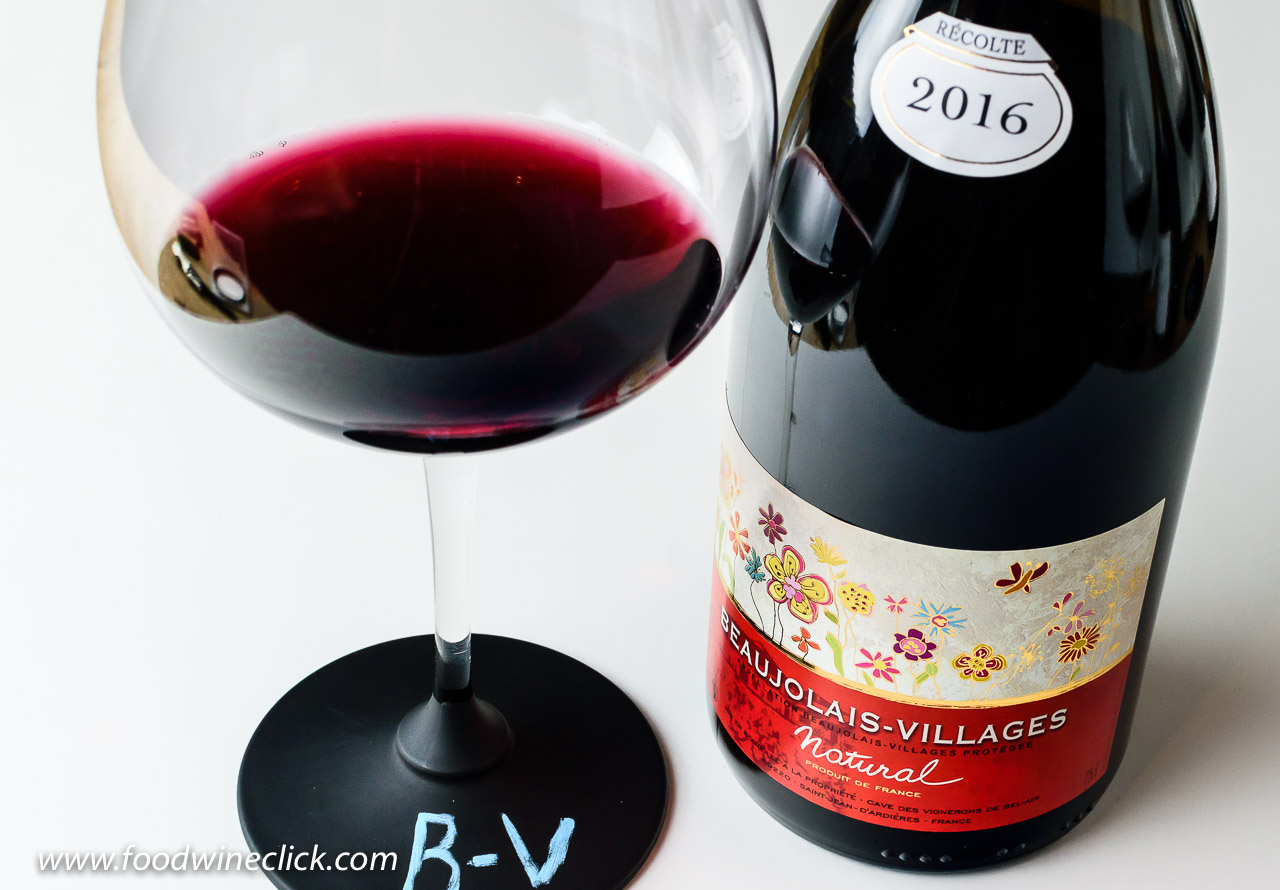
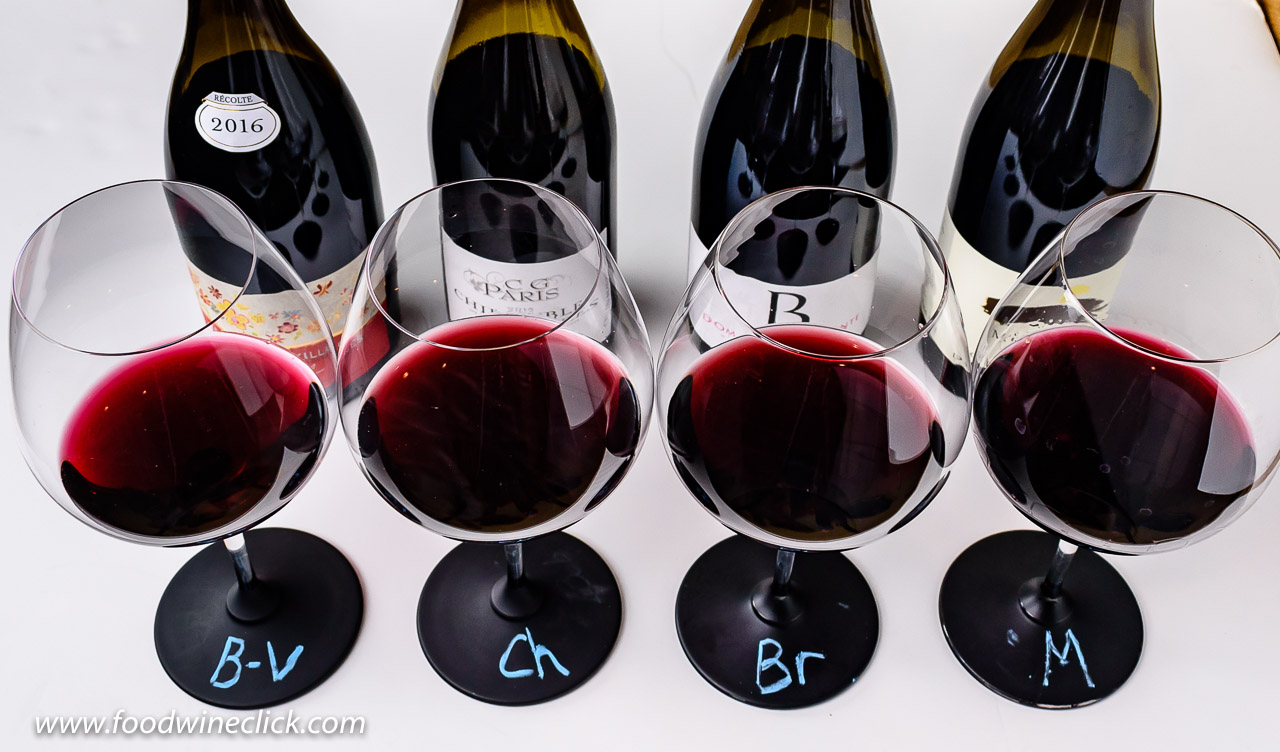
• Basic Beaujolais and Beaujolais Villages – the southern half of the region is flatter and the soils are a bit richer. This region produces Beaujolais and Beaujolais Villages wines. These wines are very often produced by semi-carbonic maceration which is a fermentation method where the whole grape clusters are placed in a sealed tank, topped with carbon dioxide. The initial fermentation actually happens inside the individual grape berries by an enzymatic process. After a few days, the skins burst and the tank is opened to allow traditional yeast based fermentation to complete the winemaking process. Semi-carbonic maceration yields very fruity wines with more color and less tannins than traditional fermentation.
• Beaujolais Nouveau – Beaujolais Nouveau wines come from the Beaujolais and Beaujolais Villages appellations. They are the fresh wines from the vintage just completed. They are raced to market for release on the third Thursday of November. If you are drinking a Beaujolais Nouveau in the US or Japan, for instance, the wines will have arrived by air! Beaujolais Nouveau is a fun celebration of the vintage, but don’t expect complexity, just enjoy the fruity celebration! I always buy and enjoy 1 or 2 bottles, but make sure to drink them right away. They will not improve with time.
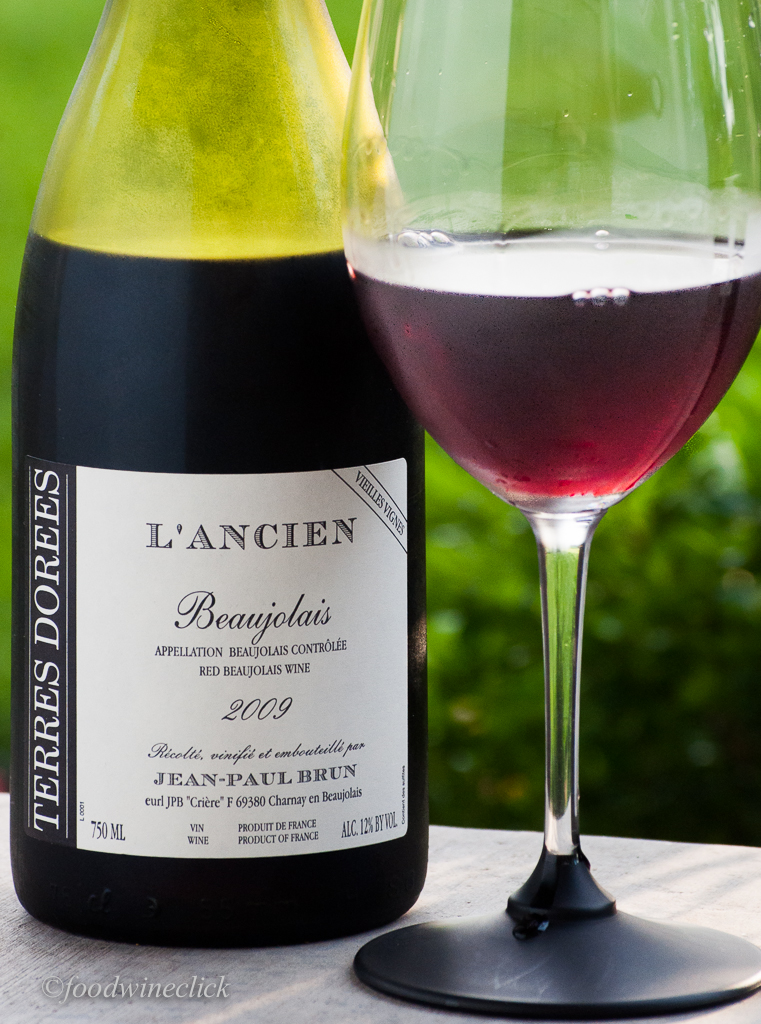
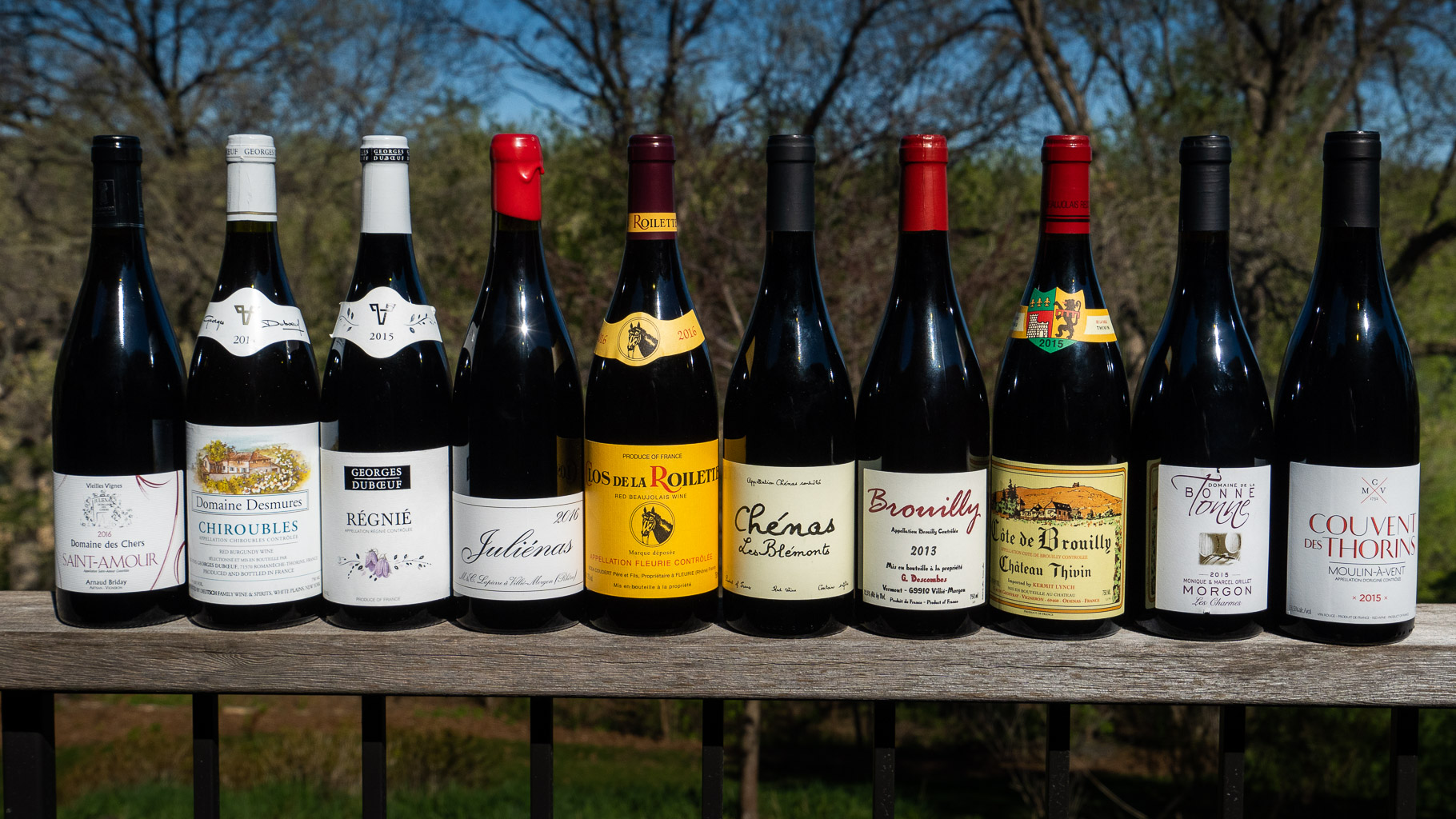
• Beaujolais Crus – the northern part of Beaujolais is hilly with granite based soils. The area is broken into 9 Crus: Juliénas, Saint-Amour, Chénas, Fleurie, Chiroubles, Régnié, Brouilly, Côte de Brouilly, Morgon, and Moulin-à-Vent. The name “Beaujolais” actually won’t appear on the label, only the name of the Cru! These wines are made by traditional red wine winemaking techniques and show more complexity, stronger tannins with an ability to age. Each of the Crus expresses a unique identity for those interested in diving deeper. Beaujolais Cru wines are some of the most affordable wines which are appropriate for aging.
• For more info: head to the official Beaujolais Wines website!
(Click on any photo for a full-size slide show)
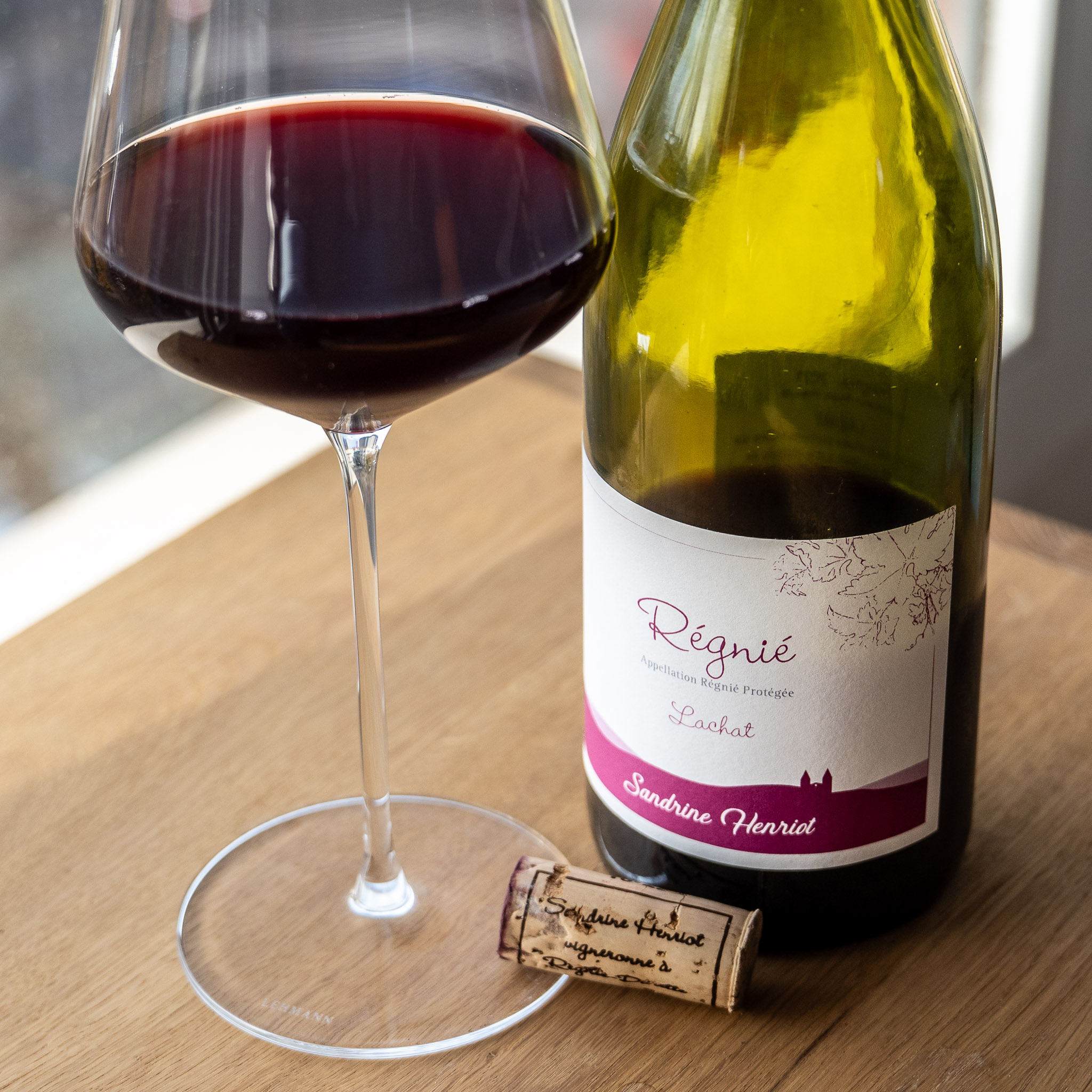
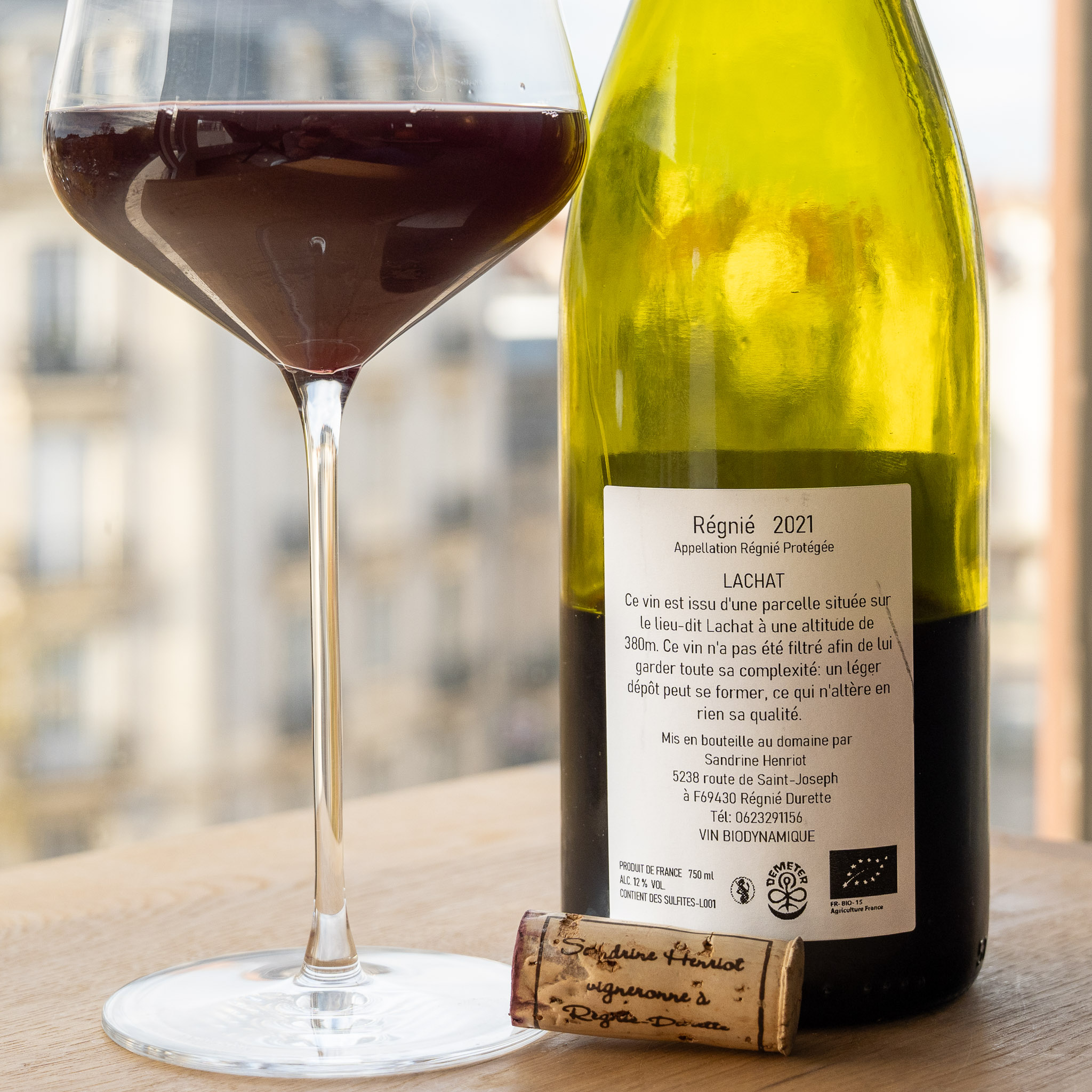
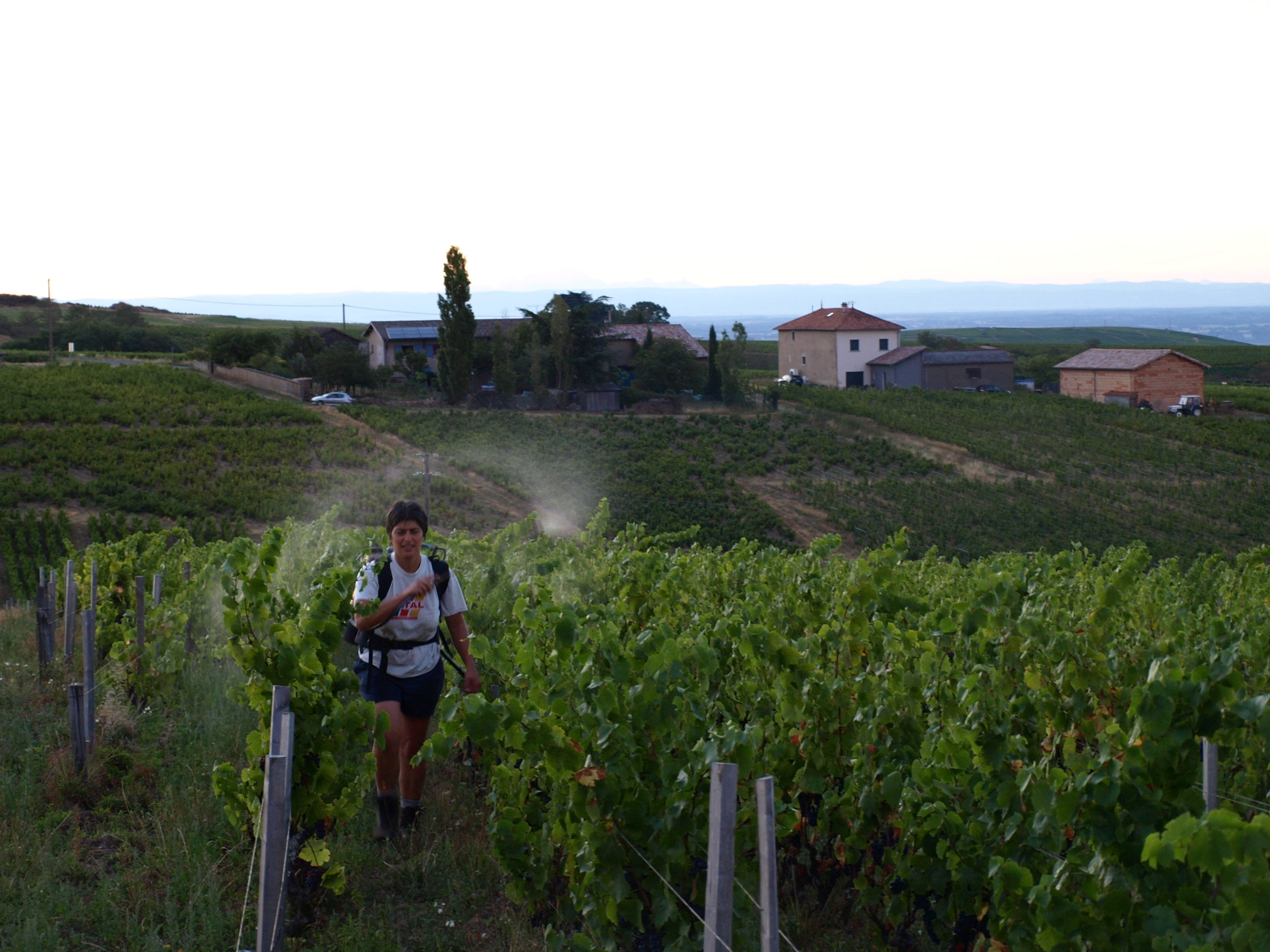
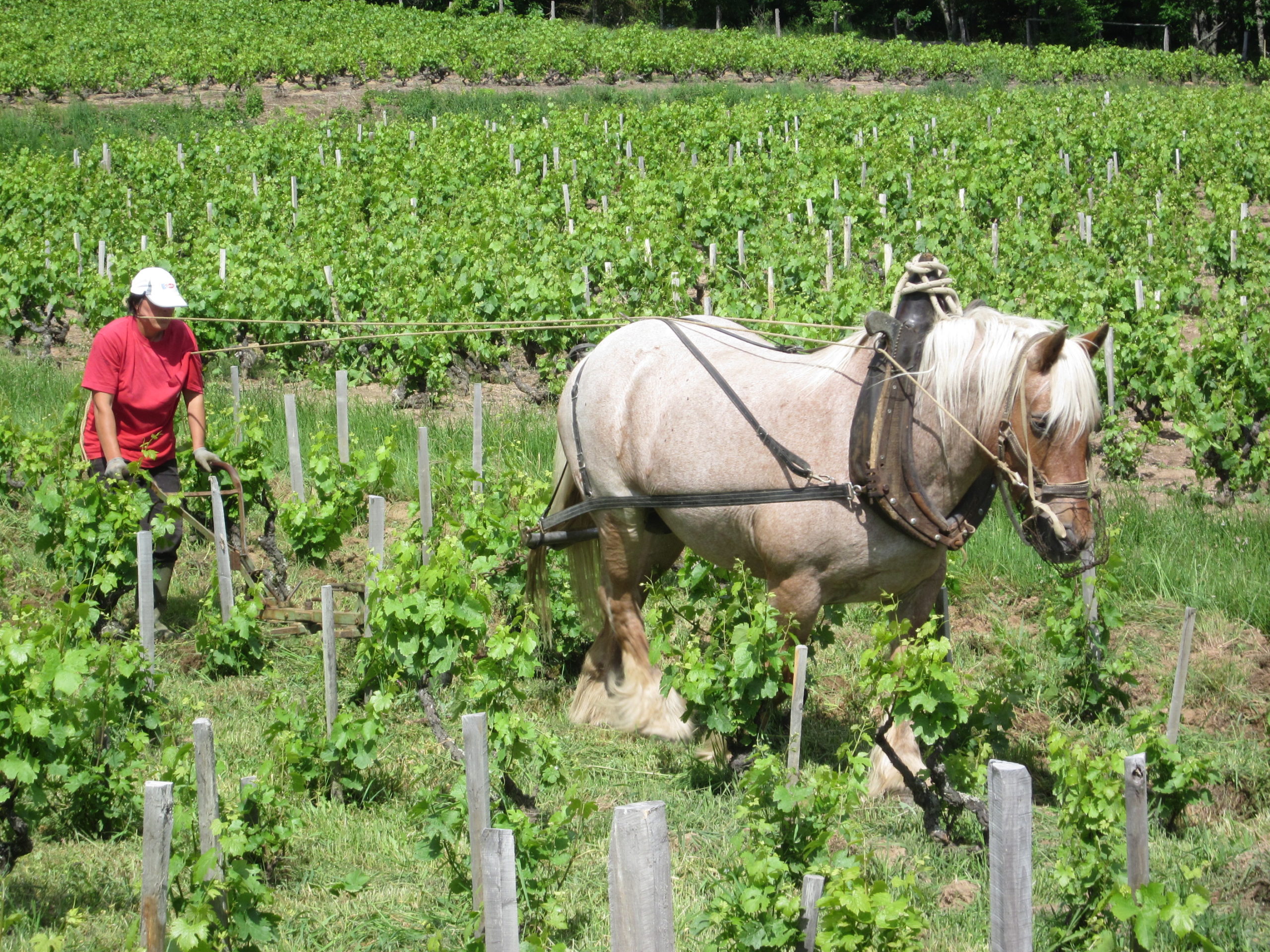
Sandrine Henriot – Beaujolais Vigneronne
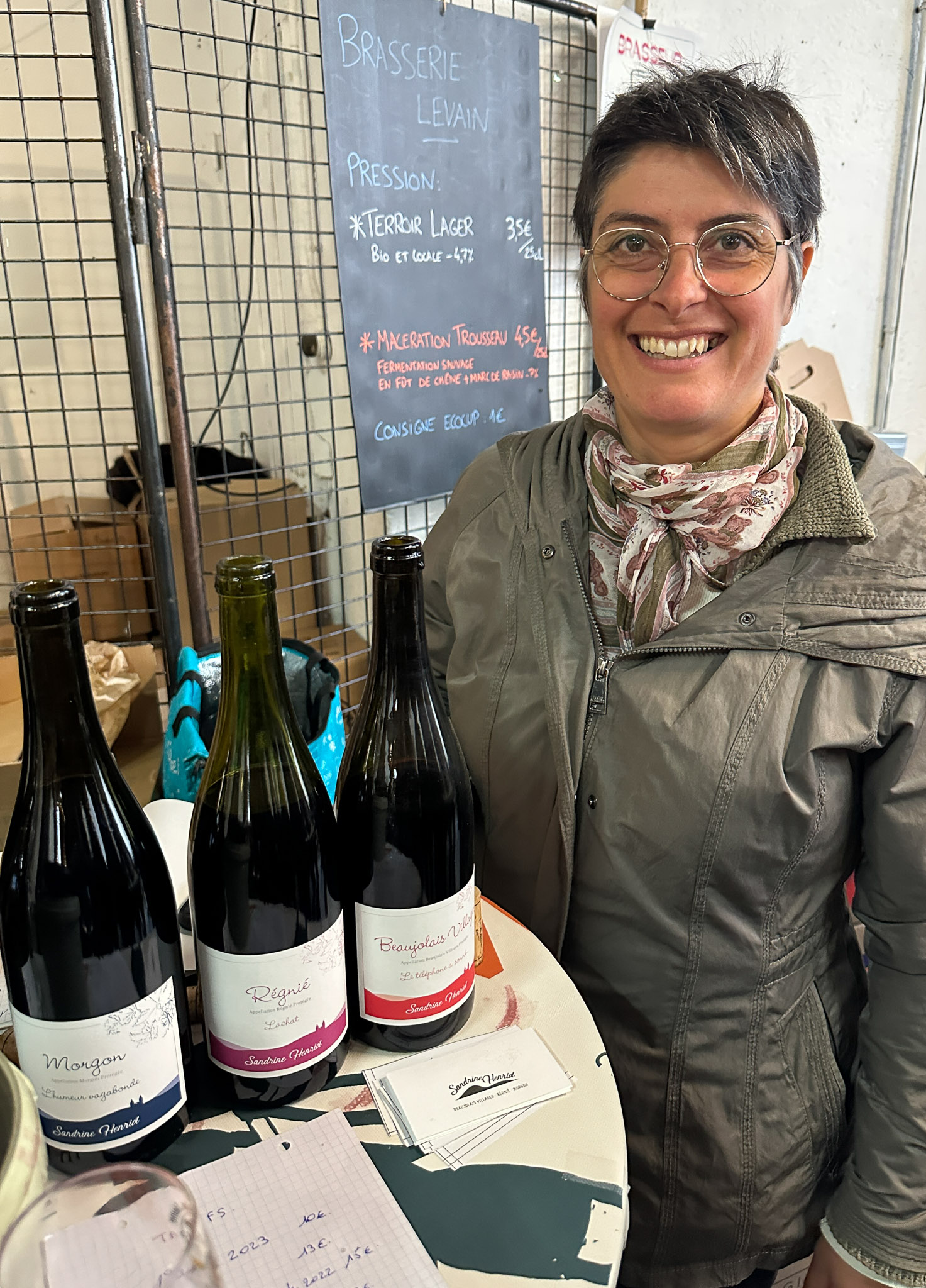
After getting her start working for multiple wineries in Bourgogne, Sandrine acquired 3.3 hectares (about 8 acres) of her own from a retiring vigneron in Beaujolais. The vineyards were located in the Beaujolais-Villages, Régnié, and Morgon. The vineyards had been certified organic since 2007 and worked according to biodynamic principles since 2010. Sandrine has completed Demeter certification on her vineyards and winery. Her vines are trained in the gobelet (bush) style and work is accomplished by hand and with the assistance of a horse. Grapes are hand harvested. In the winery, work is again done by hand with no additions beyond low levels of sulfur dioxide. Wines are unfined and unfiltered and typical levels of sulfur dioxide at bottling are a low 20mg/ml.
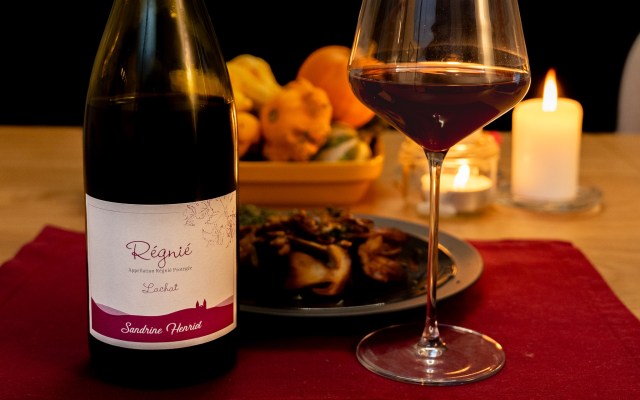
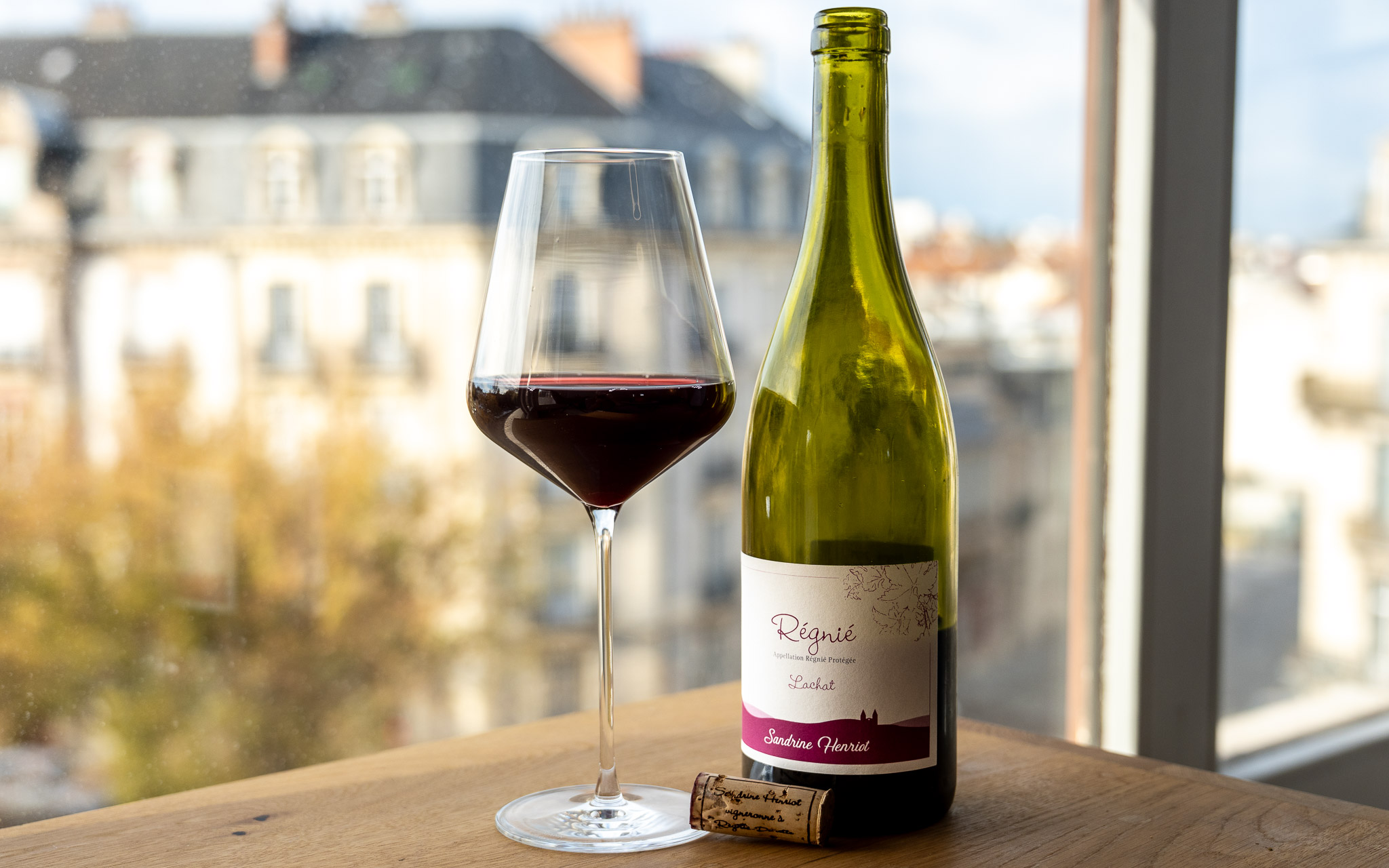
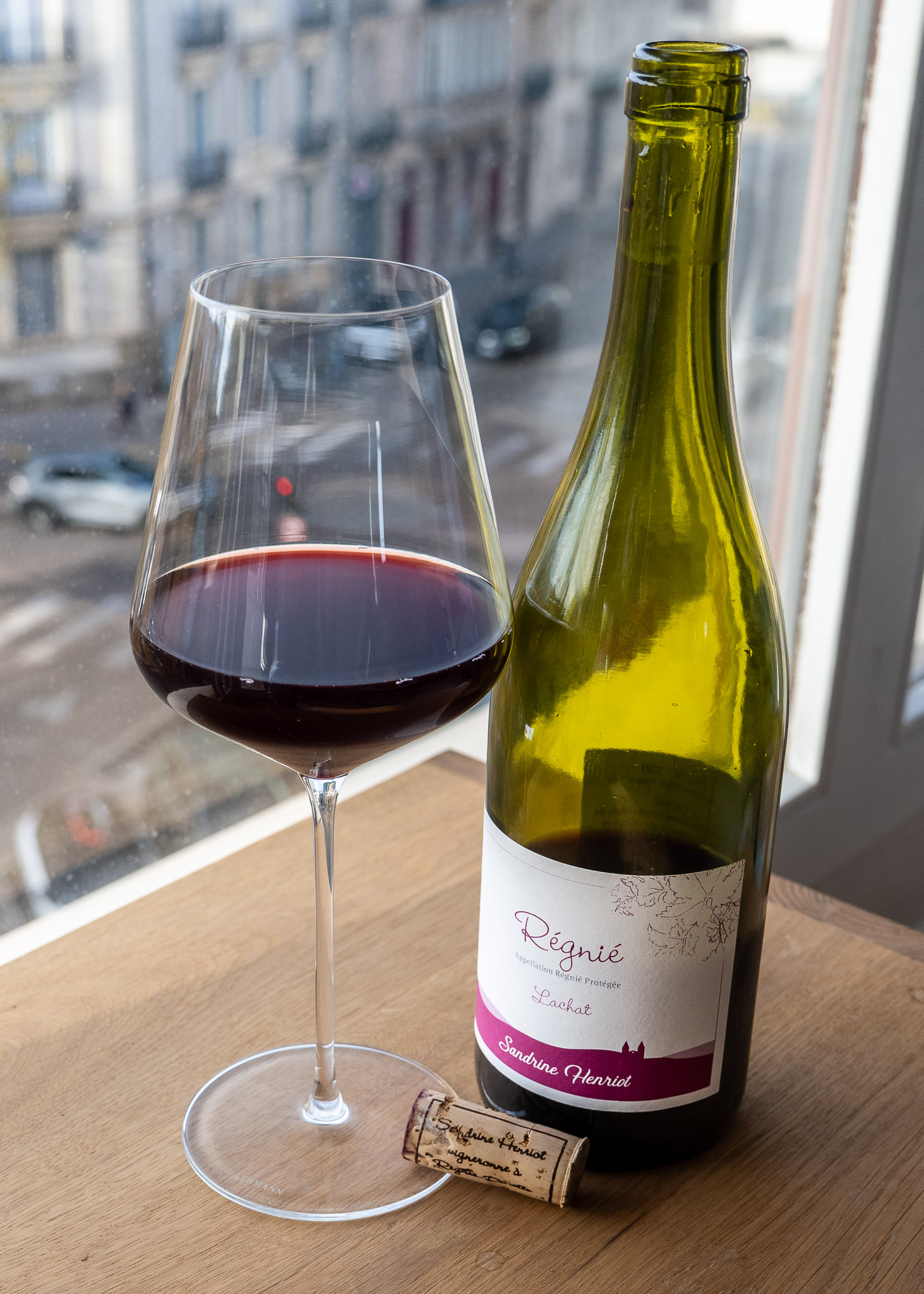
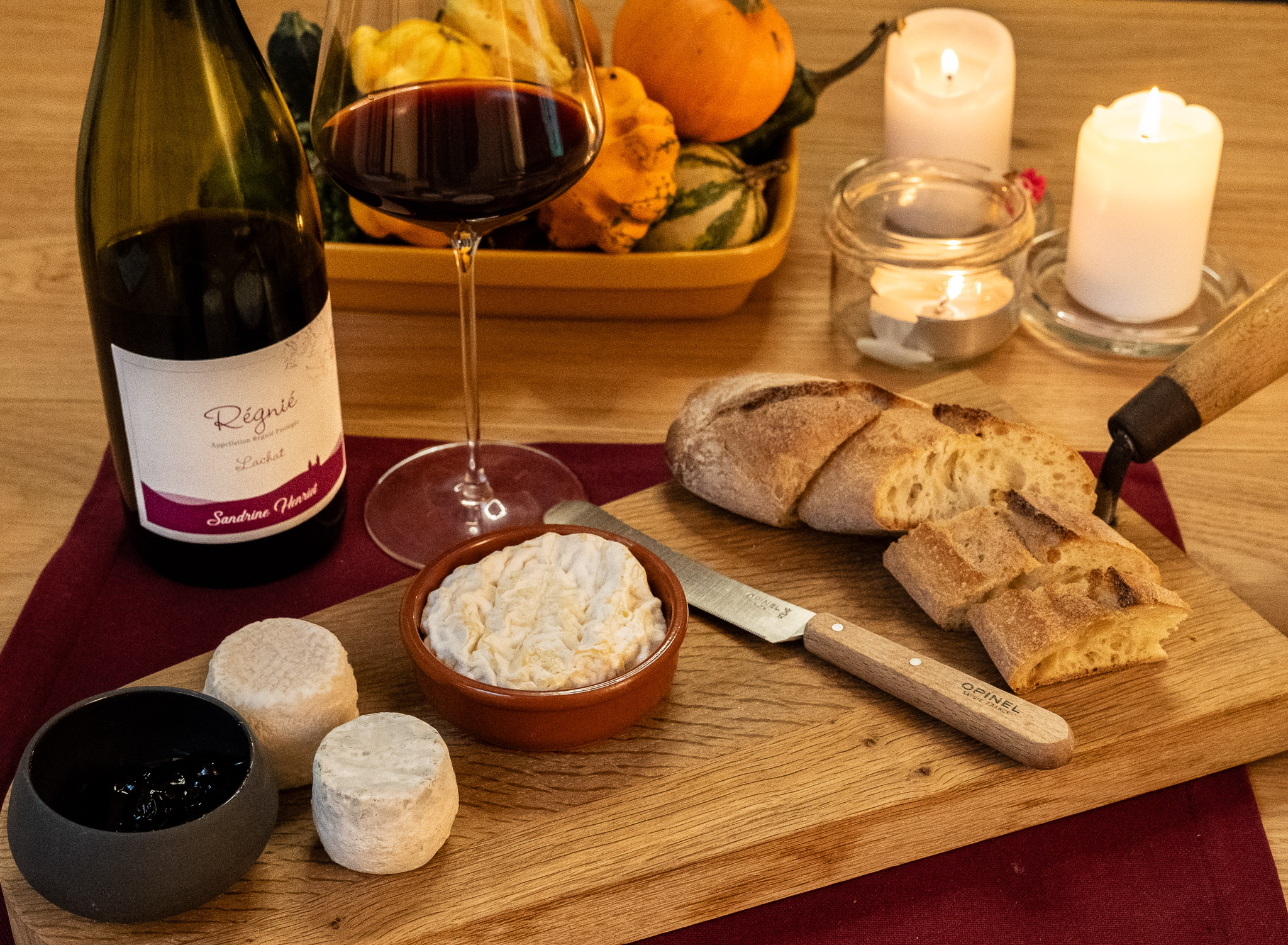
Sandrine Henriot Régnié AOP “Lachat” (15€ locally) 12% abv
Demeter certified biodynamic, unfined and unfiltered, minimal sulfur dioxide at bottling
Eye: Medium ruby, cloudy (as expected)
Nose: Pronounced aromas of violets, bright just ripe plums, a bit of graphite and forest floor.
Mouth: Dry, medium plus acidity, low but present smooth tannins, medium minus body, medium alcohol, medium plus finish.
Observations: The aromatics of this wine won me over instantly. While the wine is not super complex, it is lively and entirely enjoyable, and paired beautifully with our rabbit in mustard sauce dinner.
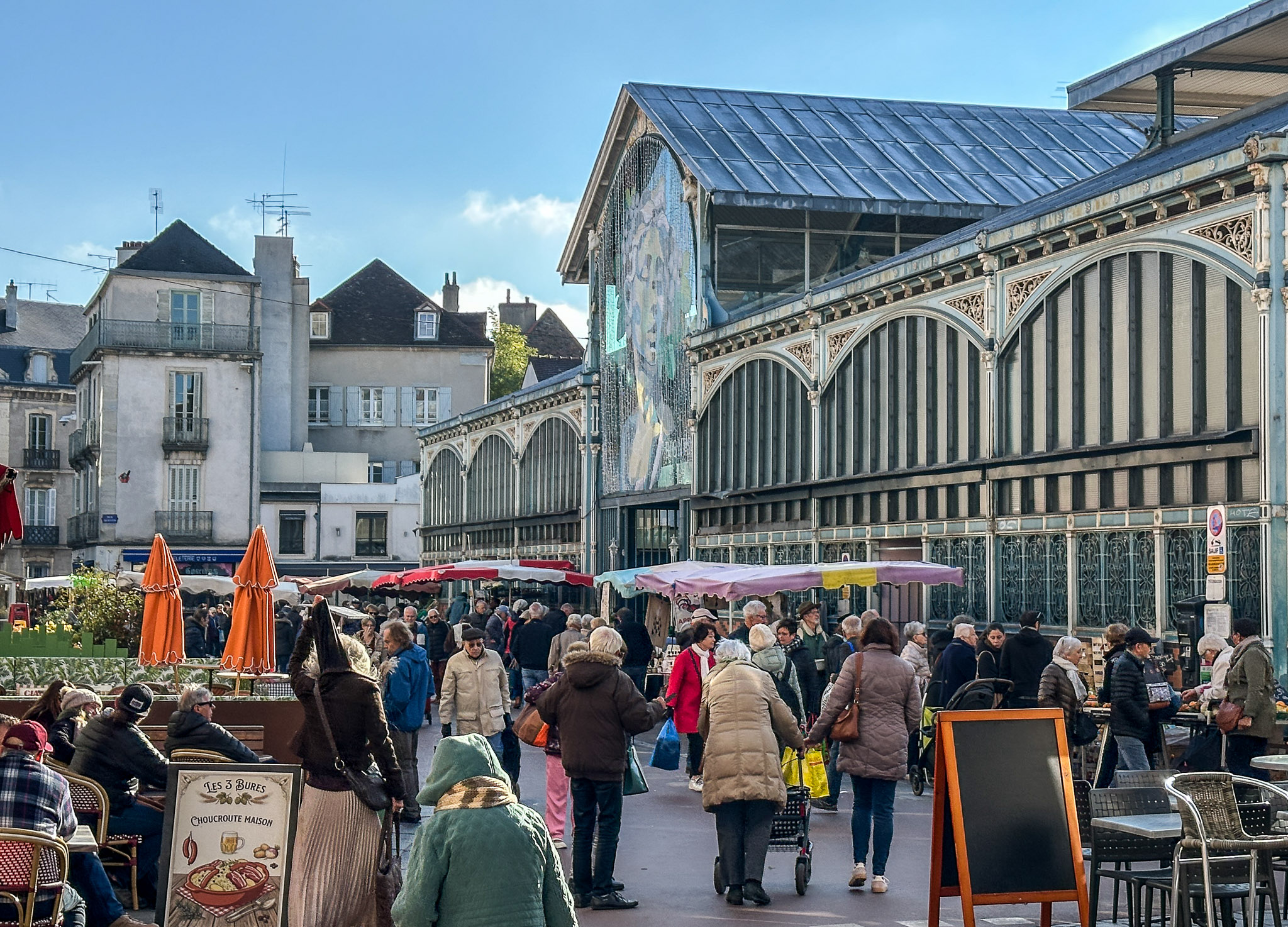
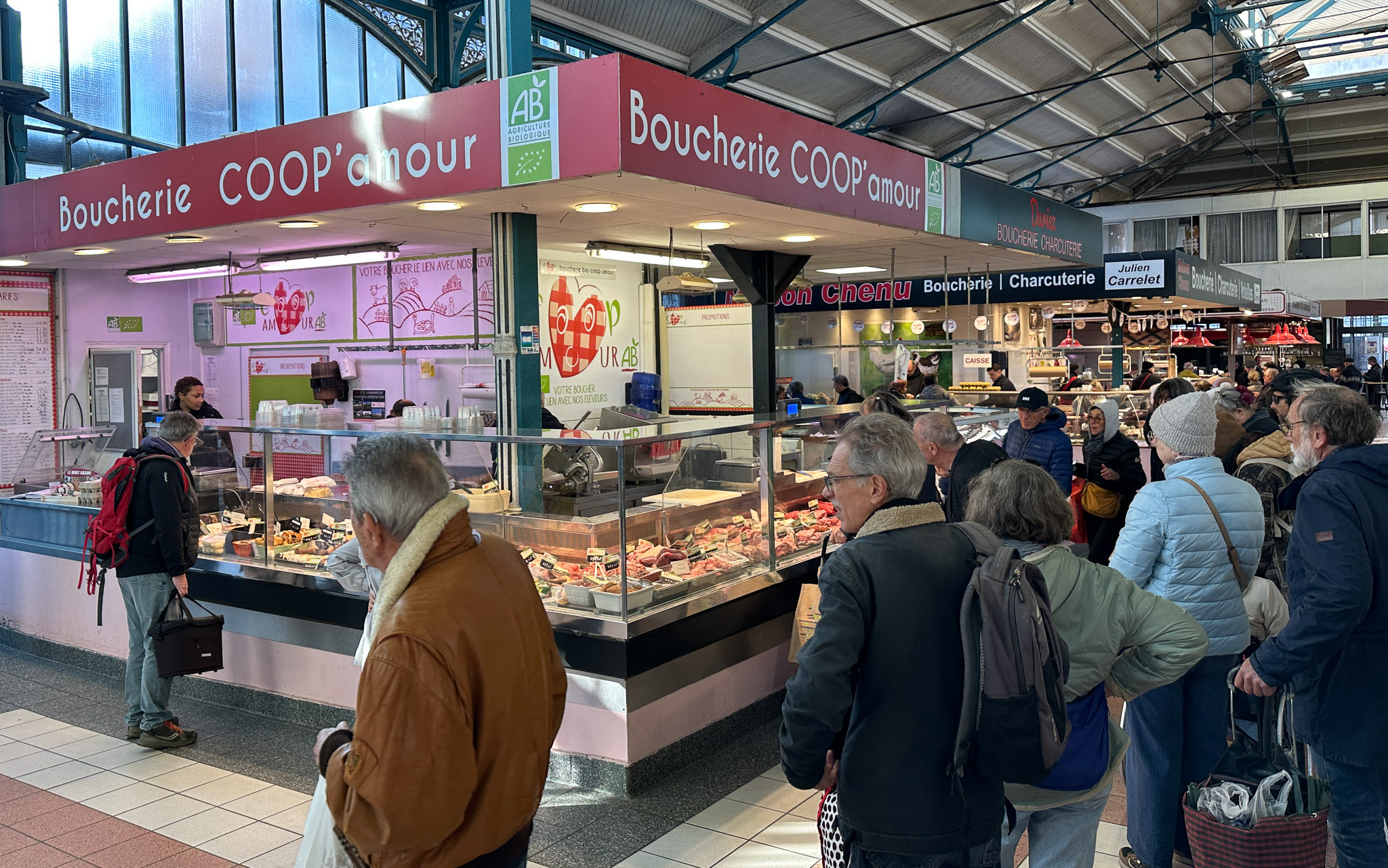
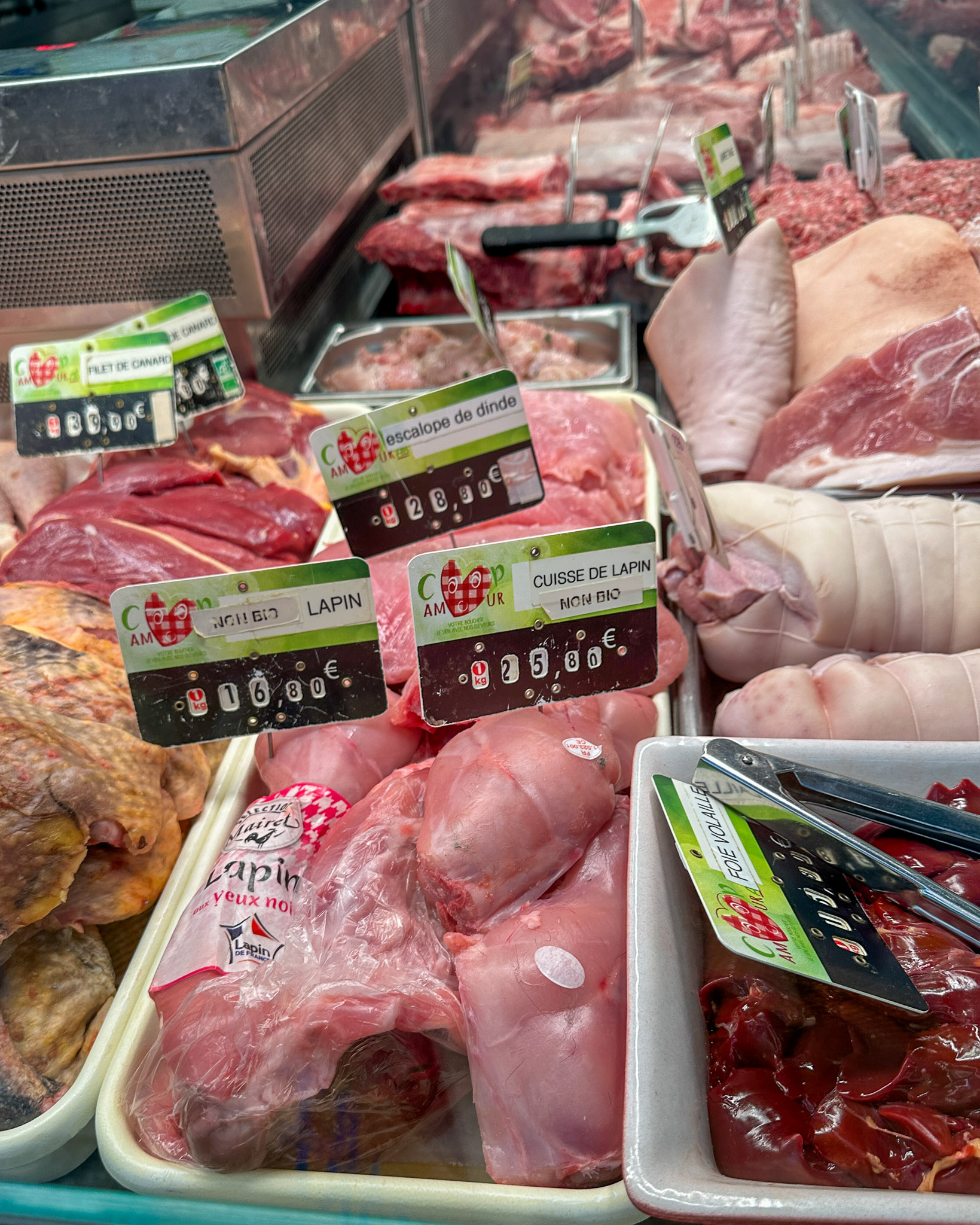
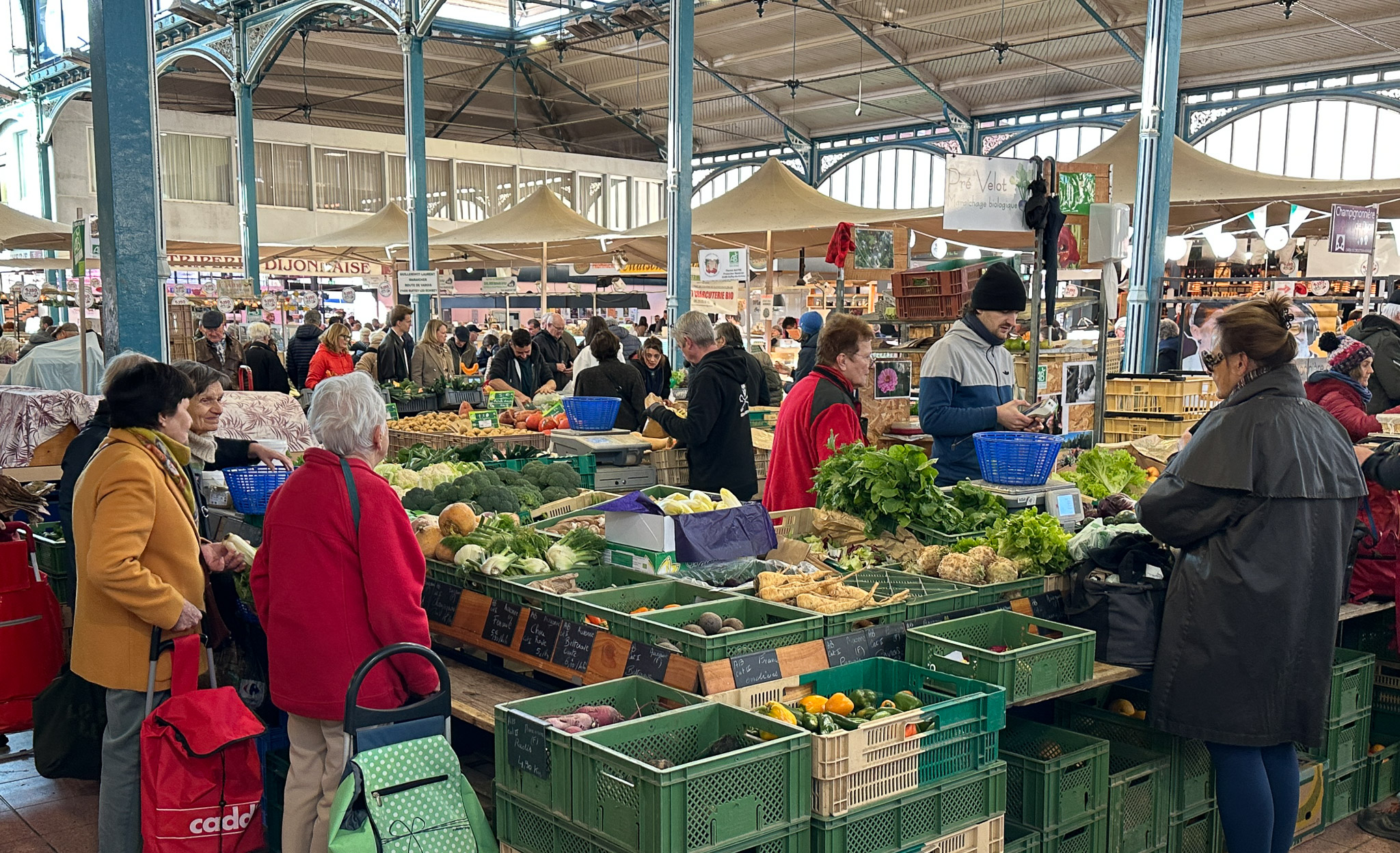
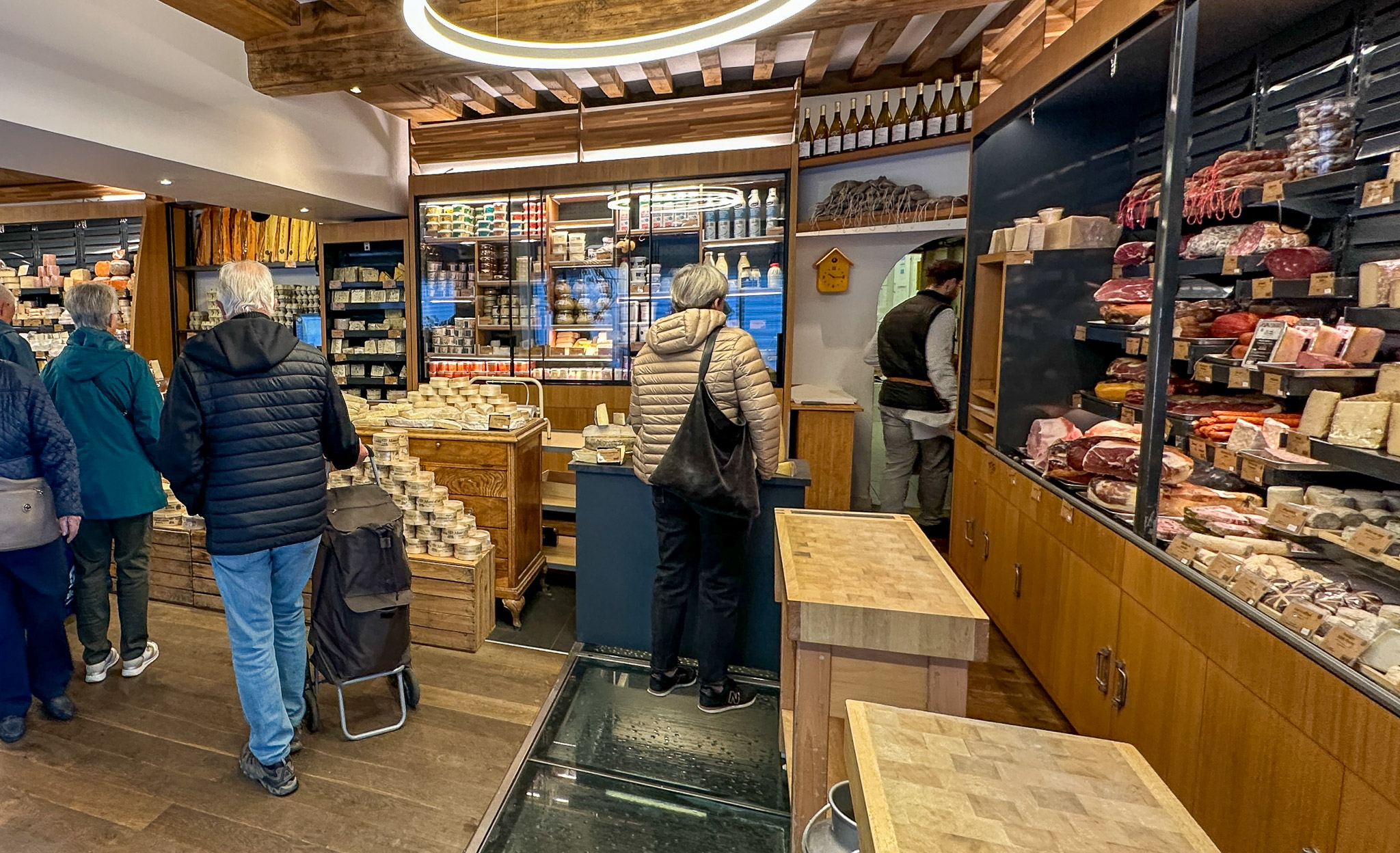
Les Halles de Dijon – Our Market
We do the majority of our fresh food purchasing at les Halles de Dijon. Meats, vegetables, fruits, mushrooms. We subscribe to the idea of cooking what’s fresh and local as much as possible. Milk, shelf stable items are purchased at local grocery shops.
Fall Dinner with Beaujolais
The traditional French dinner includes entrée (starter), plat (main dish), fromage (cheese) and/or dessert. For simple family meals in France, we often skip the entrée, but cheese after the main course is typical. Mostly because the cheese and bread is so good!
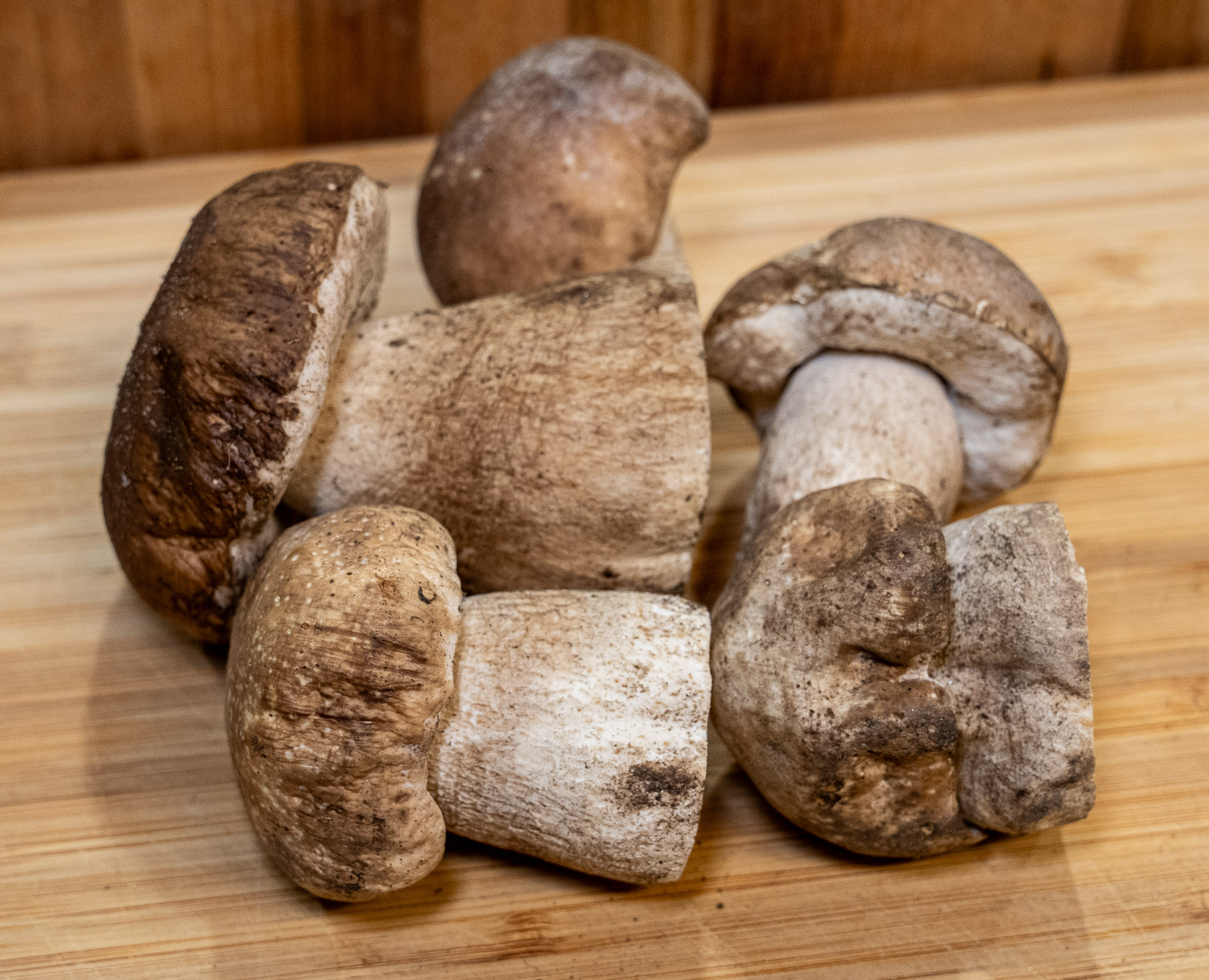
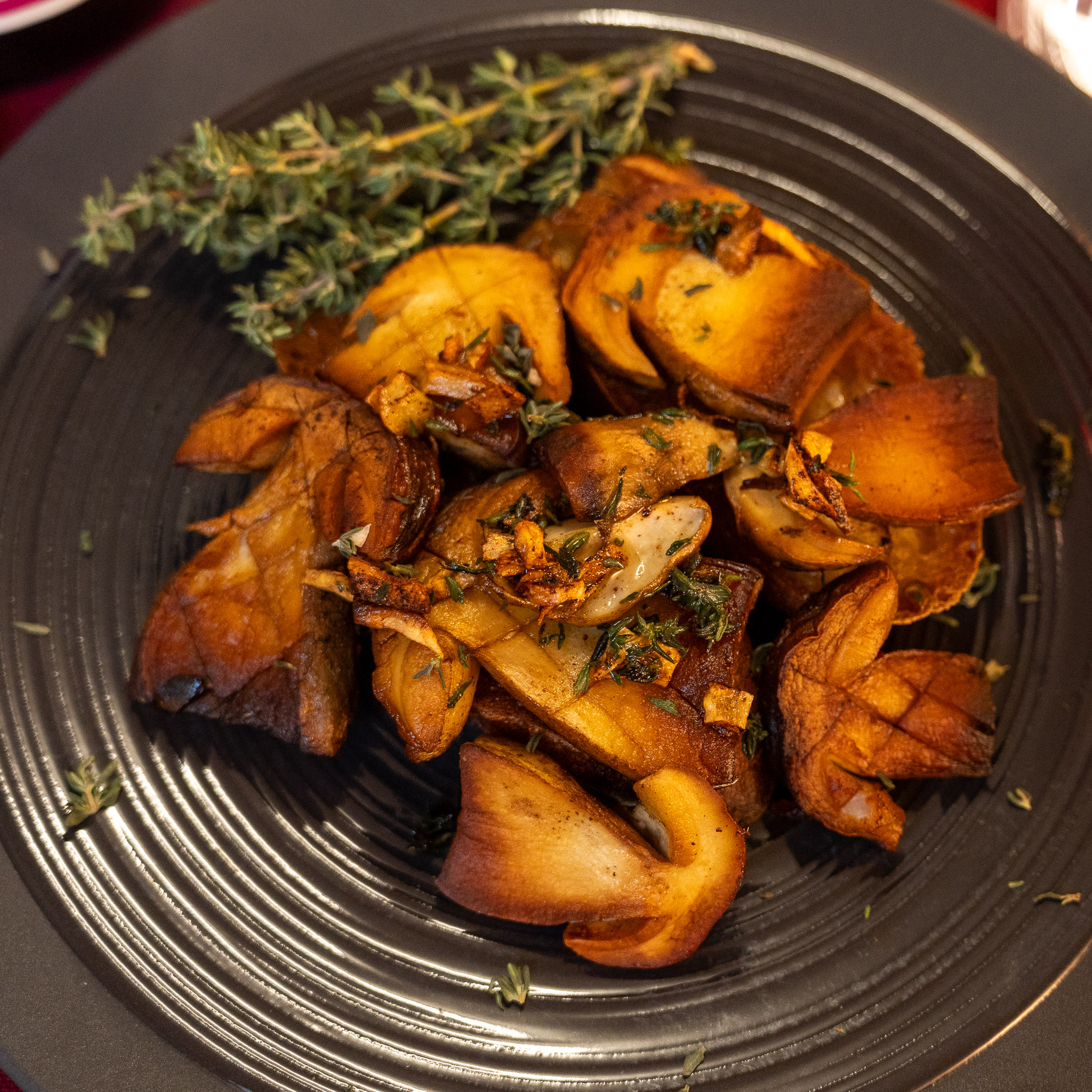
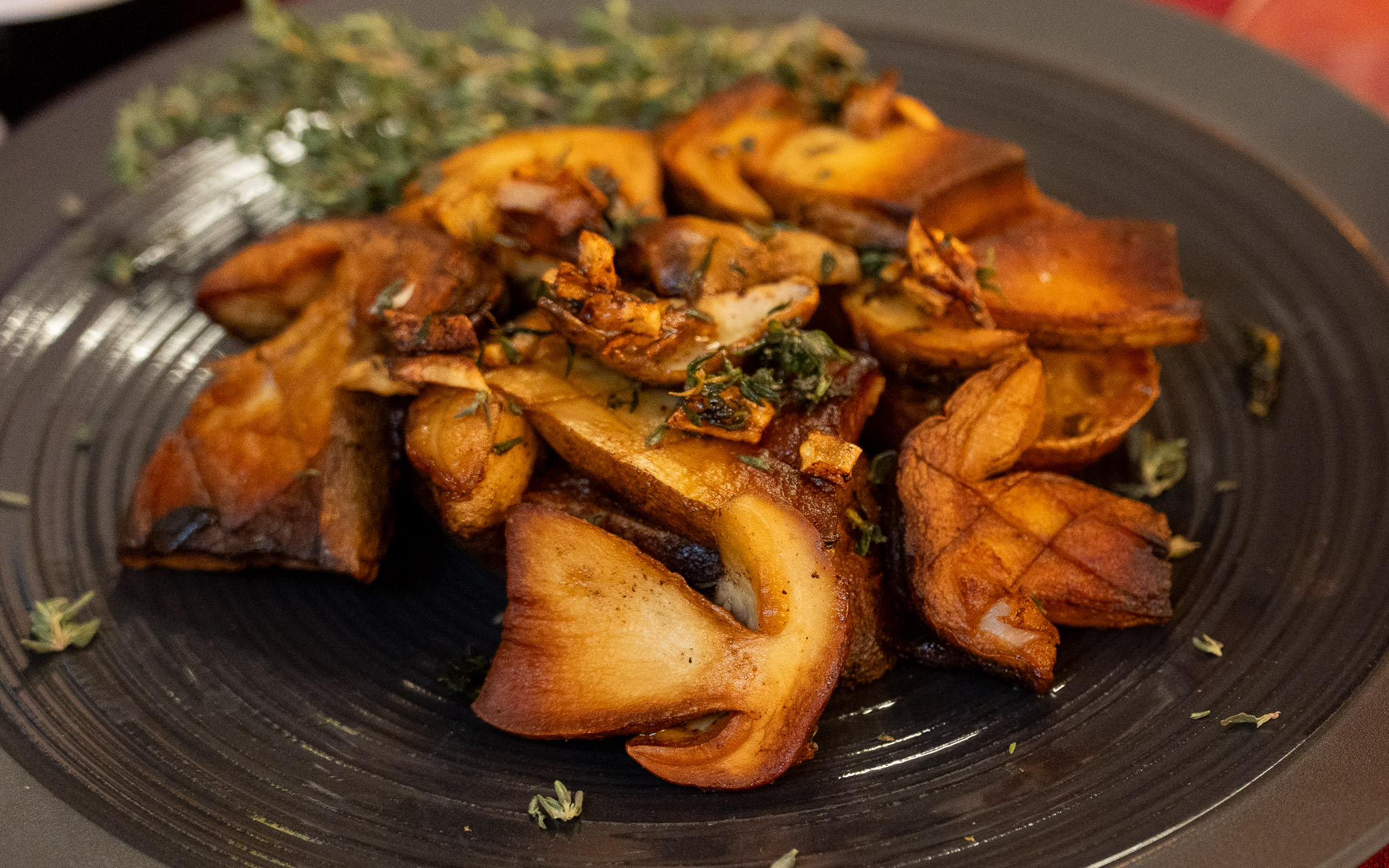
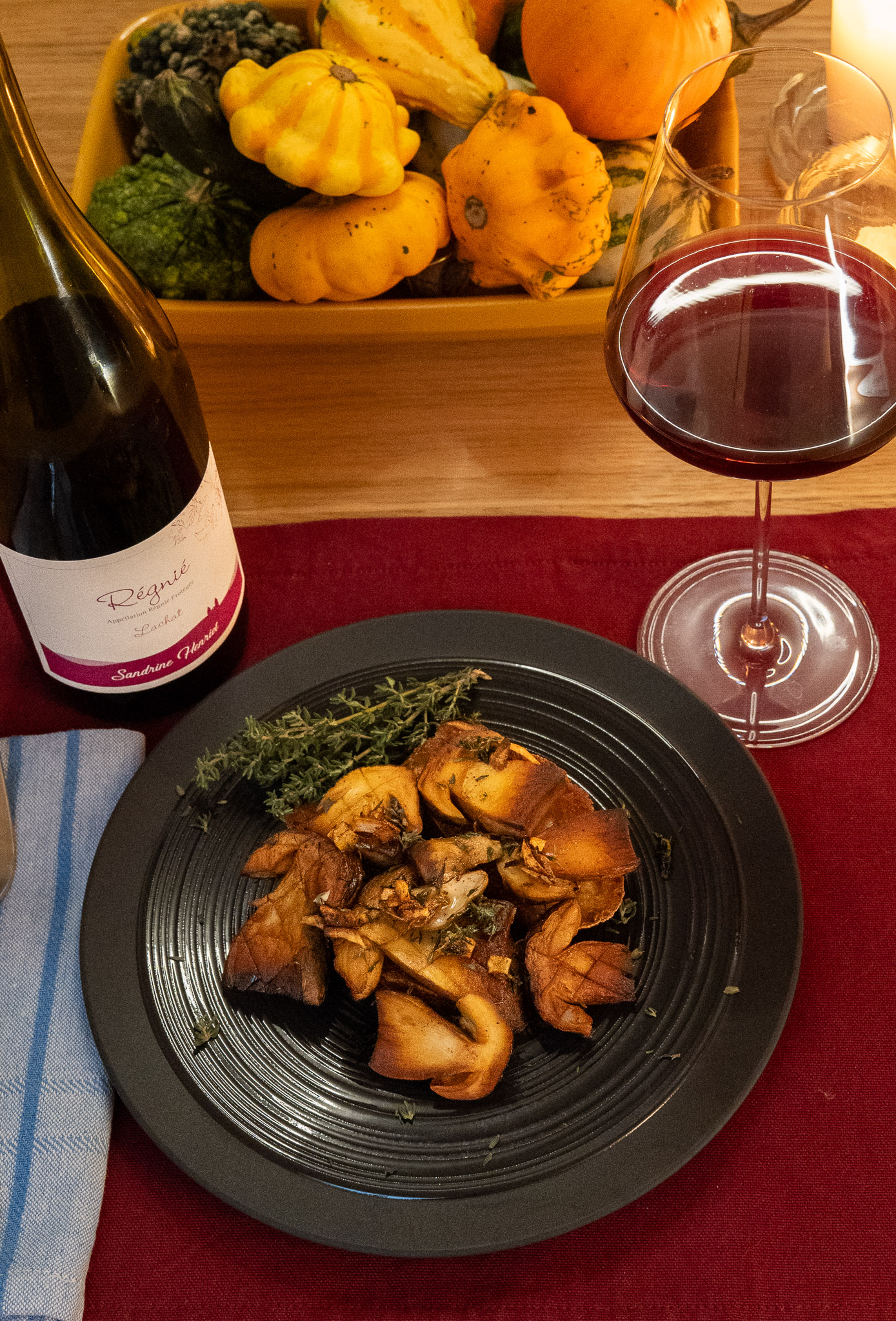
Entrée: Ceps
Ceps (same as Porcini mushrooms in Italy) are a real fall treat in Bourgogne. They’re only available for a short time, so we take full advantage while we can. Simple preparation is key to let the flavor and texture of the mushrooms shine. Simply slice and lightly score them, then sauté them in plenty of butter with garlic and thyme. Throw in a slice or two of bread to toast with the mushrooms. Sautéed Ceps would pair nicely with almost any wine, though our Régnié was particularly nice. True confession: Julie was out of town so I enjoyed the full portion as my plat and saved the rabbit for night number two.
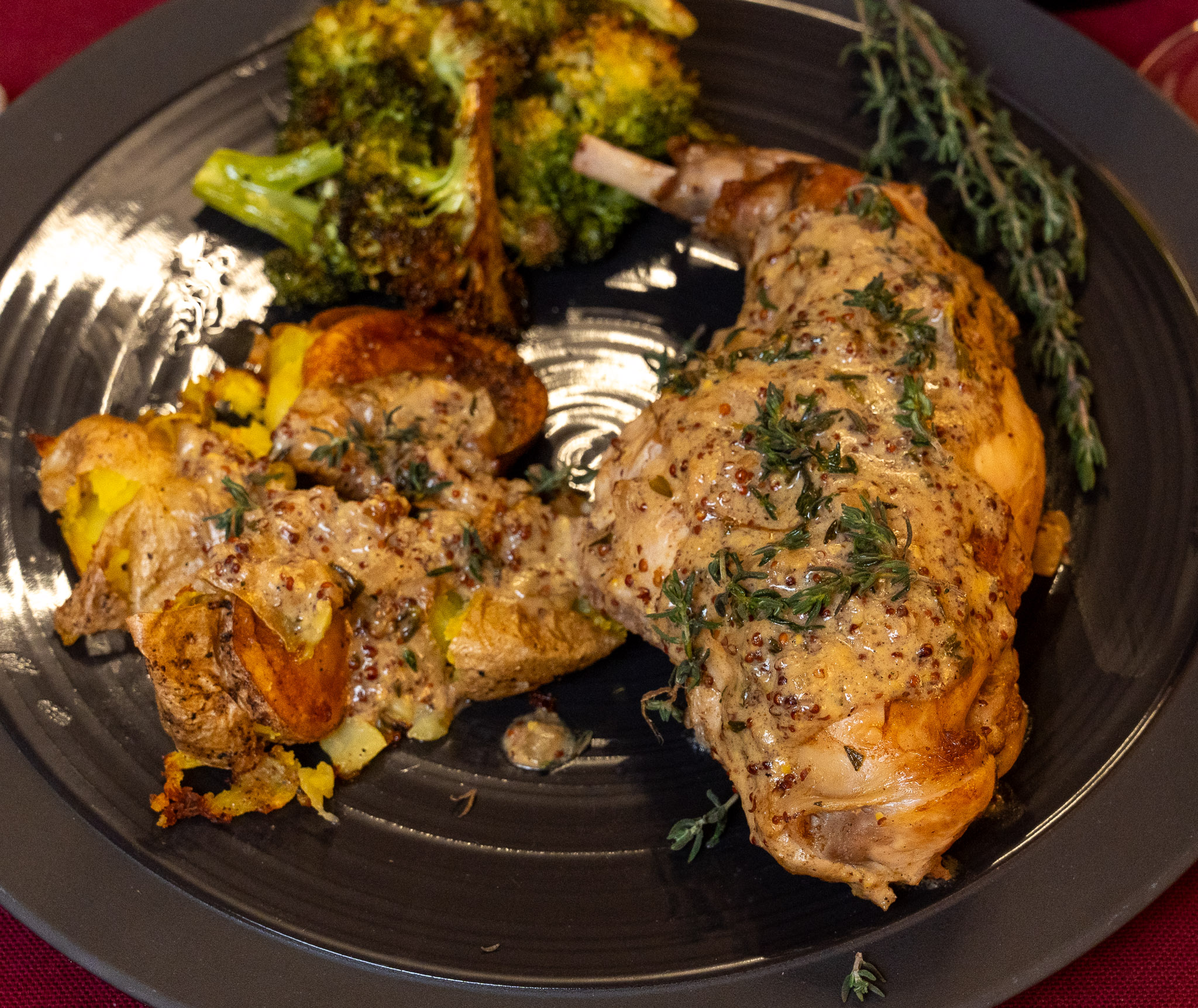
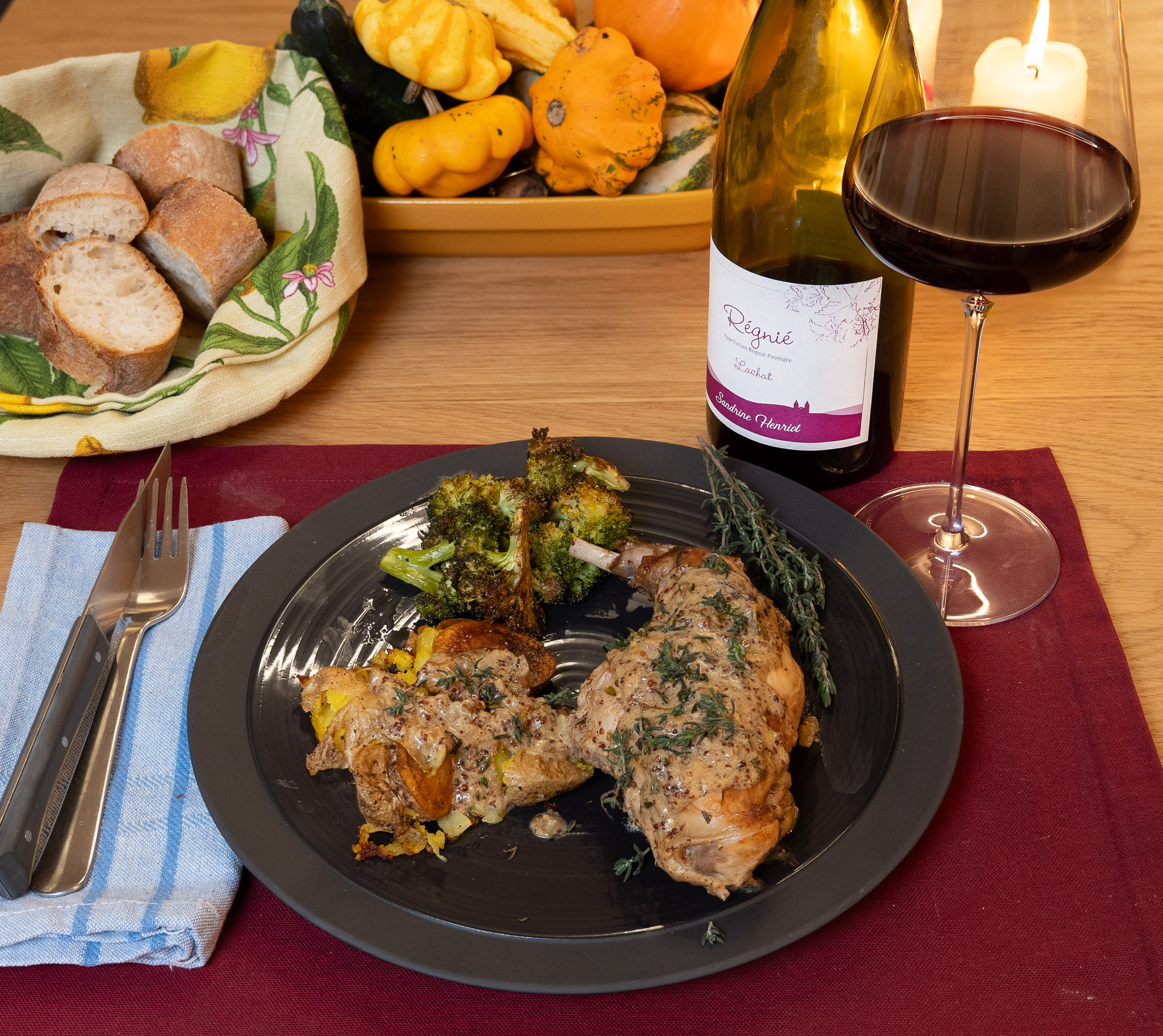
Plat: Rabbit in Mustard Sauce
Butchers offer a wider variety of meats in France than typically seen in US supermarkets and butcher shops. Beef and pork, of course, but veal, lamb, duck, rabbit are all widely available. I love rabbit, though I must admit it can easily be mistaken for chicken in the finished dish. My adult son, Peter, says “it’s like chicken except there are more bones!” Anyway, this simple recipe for Rabbit in Mustard Sauce can be enjoyed with either rabbit or chicken, as you please. I served it with smashed roasted potatoes, and they were delicious with the sauce as well. Our Cru Beaujolais paired nicely with the mild meat with a hearty sauce.
Cheese course: Bouton de Culotte and Saint Marcellin
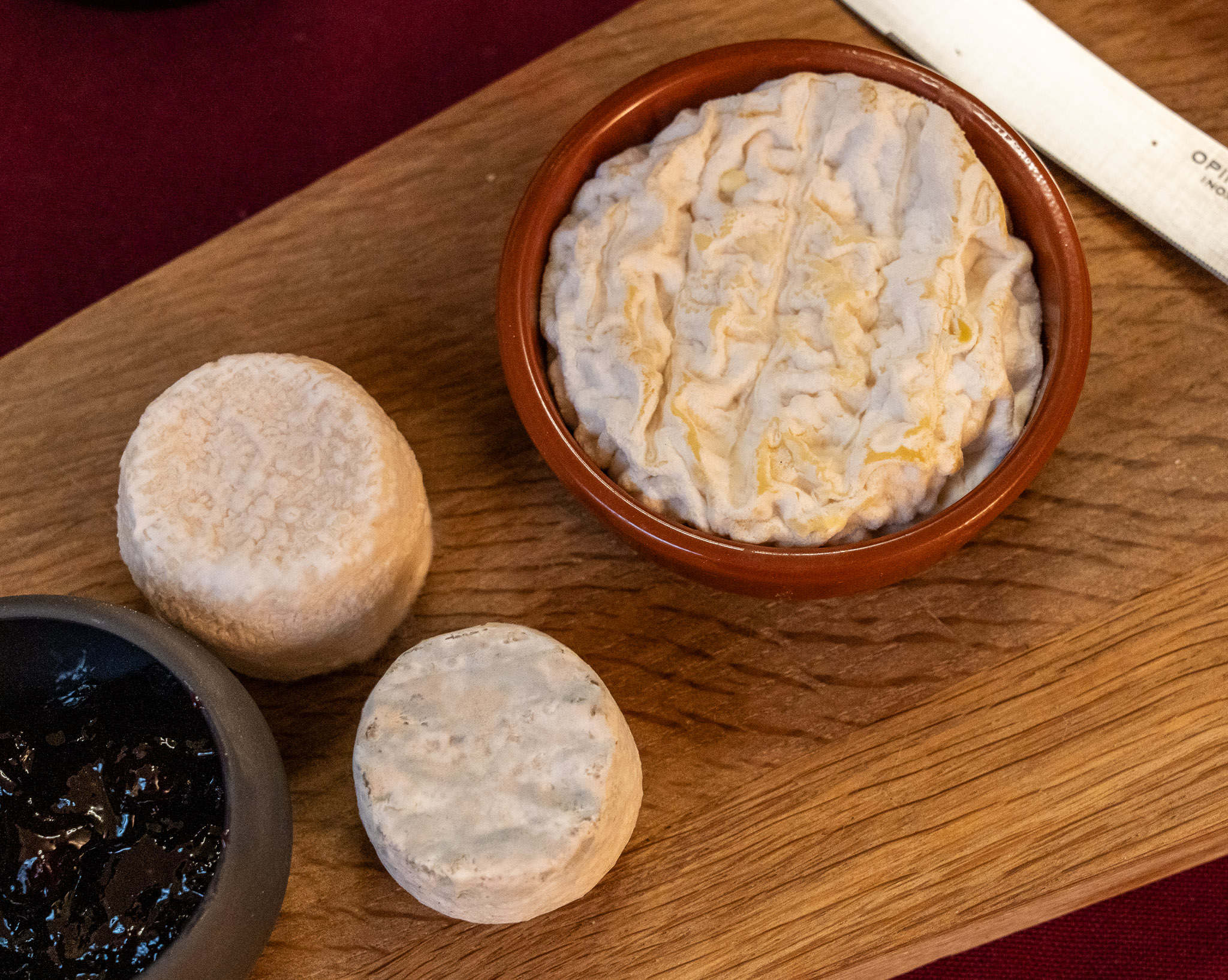
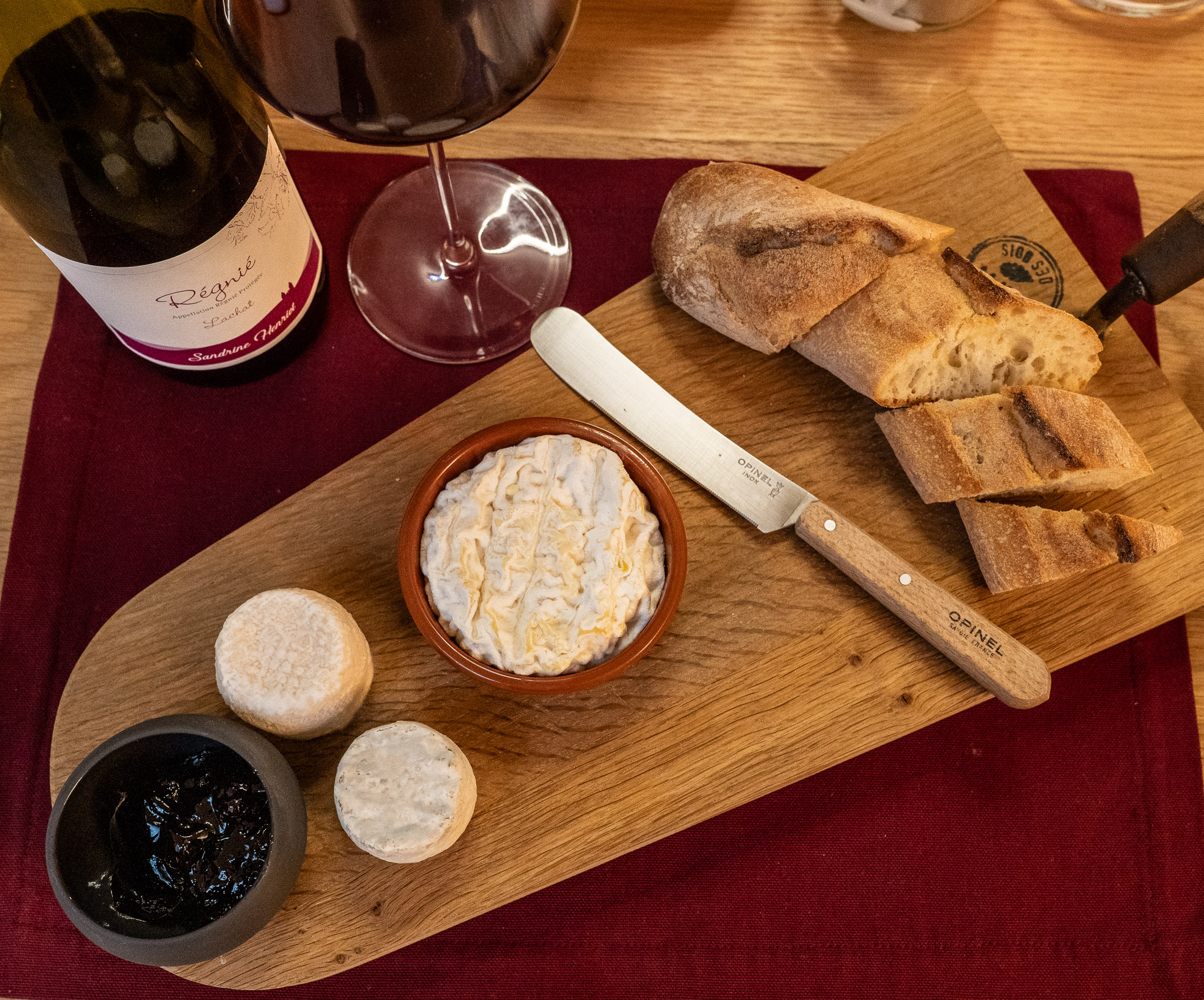
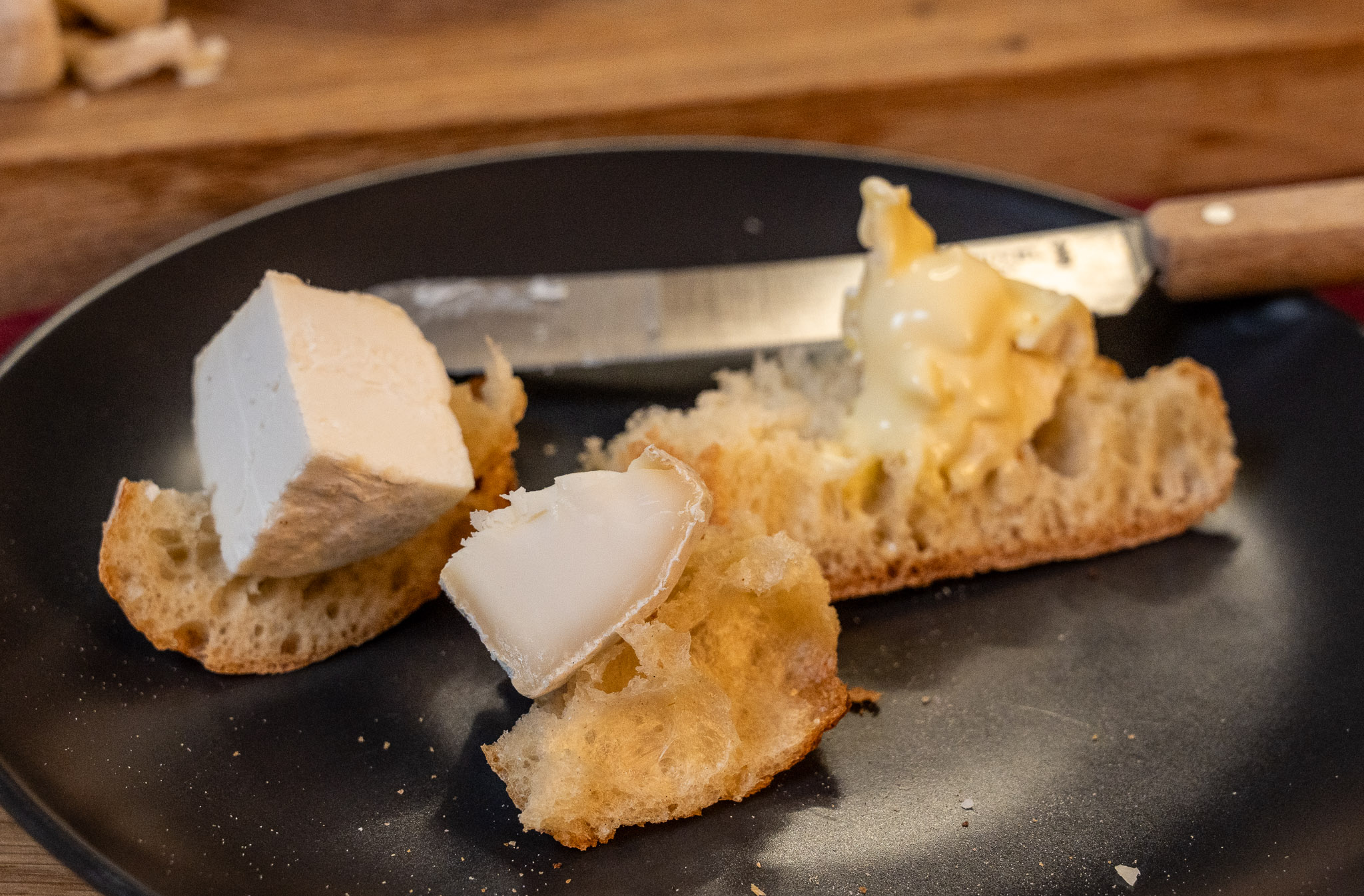
In the US, we often serve cheese before the meal. Except for the bit of cheese in a gougères, you’ll likely never see cheese before the meal in France. Cheese is revered, and always served after the meal, either before dessert or in lieu of dessert. When we’re in the US, we enjoy excellent artisan cheeses, but we rarely serve an actual cheese course. In France, it’s a daily occurrence. Today we have Bouton de Culotte (underwear button???), a local to our region chevre (goat’s milk), and Saint Marcellin a gooey, bloomy rind cow’s milk cheese from Isère in the Auvergne-Rhône-Alpes region, southeast of Lyon. Wine isn’t typically chosen specifically for the cheese course, just finishing up the wine from dinner. Our Régnié again showed its versatility with both cheeses.
Other Beaujolais Ideas from Fellow French Winophiles
Take a look below for more Beaujolais ideas from our French Winophiles writers. Given that our posting date is in advance of the 2026 Nouveau Beaujolais release, you may need to wait for that news!
• A Wine from the Smallest Grand Cru in Beaujolais Plus a French Stew with Italian Beans by Culinary Cam
• Celebrating Fall with a Venison Stir Fry and a Beaujolais-Villages by A Day in the Life on the Farm
• Fall Dinner with a Sandrine Henriot Beaujolais Cru by Food Wine Click!
• Fleurie in the Fall by Crushed Grape Chronicles
• Our Favorite House Wine by Our Good Life