Explore the Wilds of Spain in Priorat

Something New for 2026
This month, our wine writers are sharing something new: a region, a winery and a grape variety. Look toward the bottom of this post for links to all the new wines you might like to try in the coming year! I’m highlighting a Spanish wine region with a fascinating story and high quality wines. A place I just had to go see for myself.
(Click on any photo for a full size slideshow)


The Priorat Region of Spain
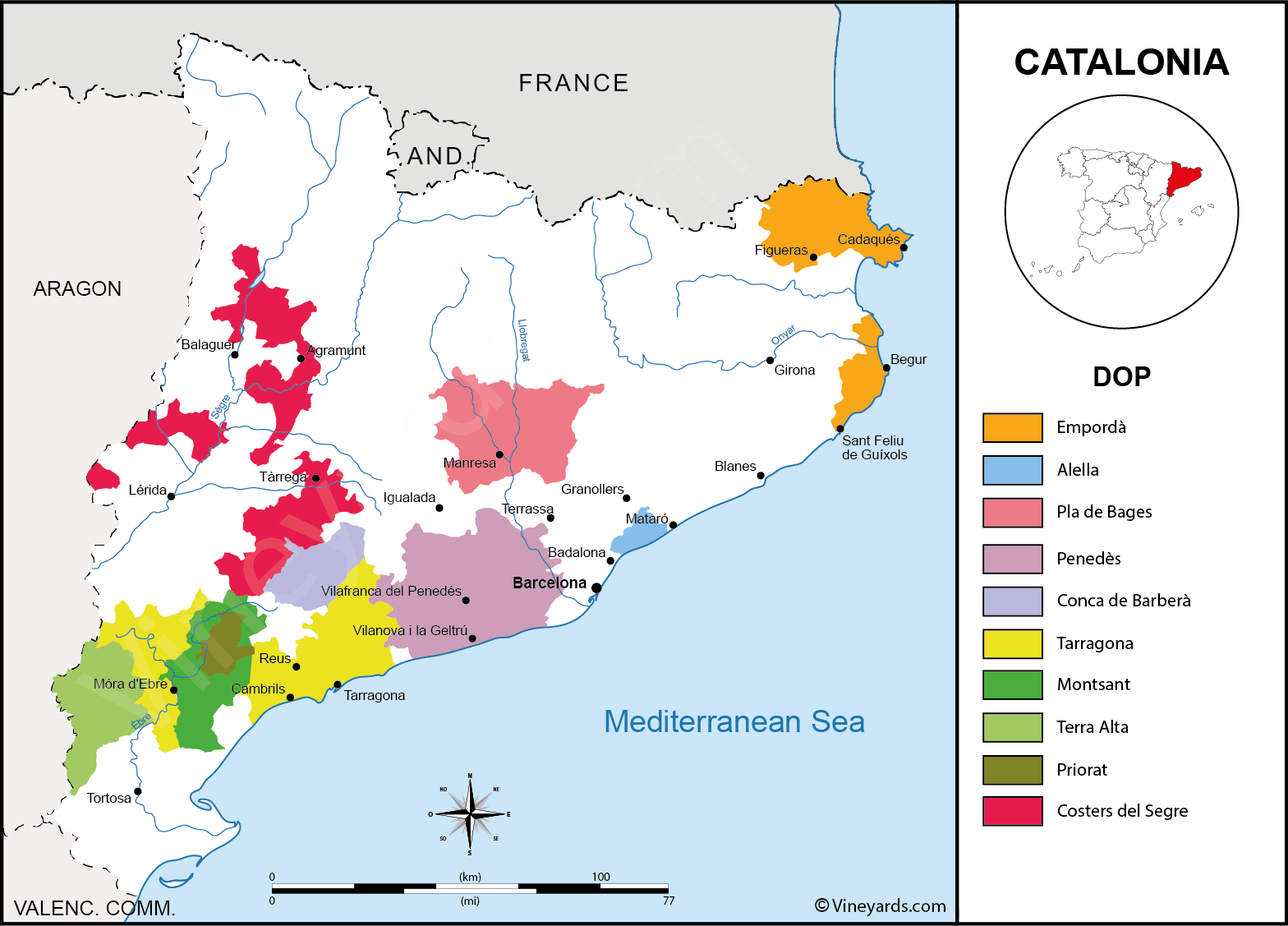
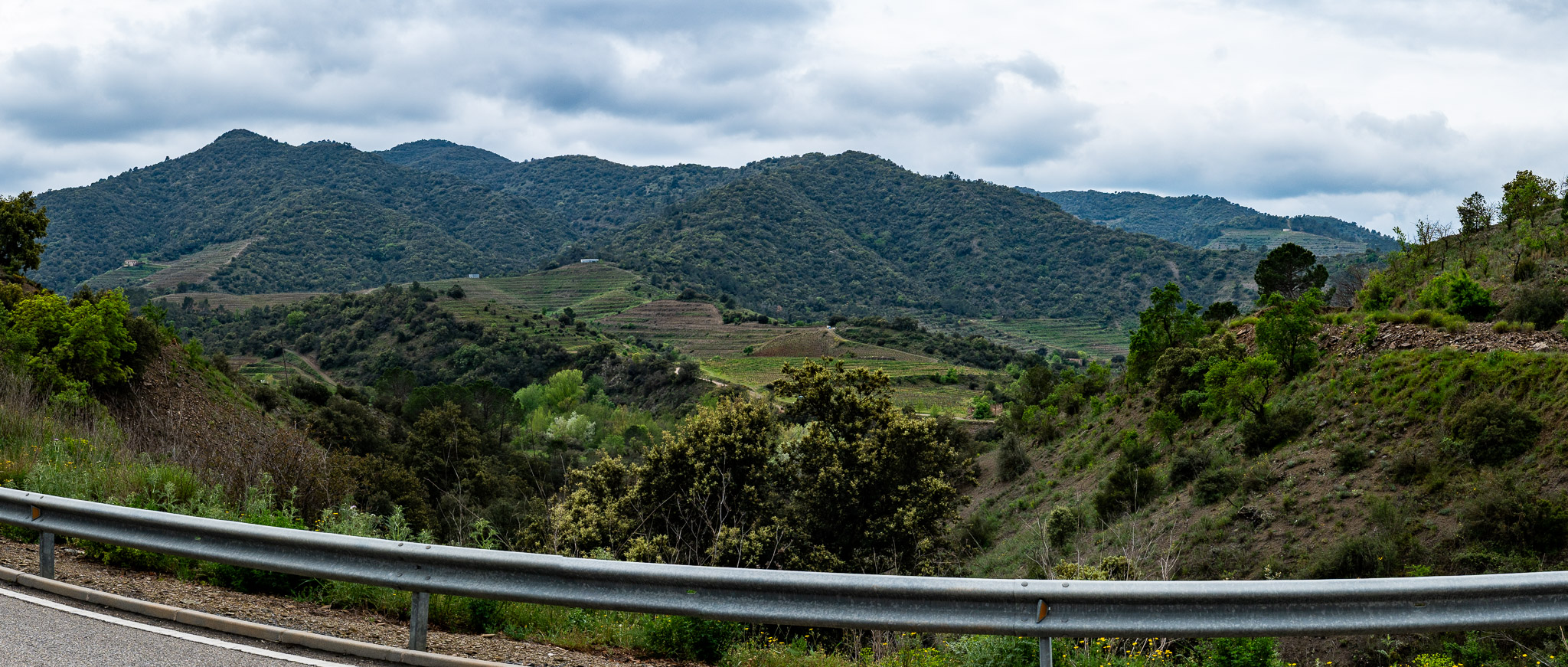
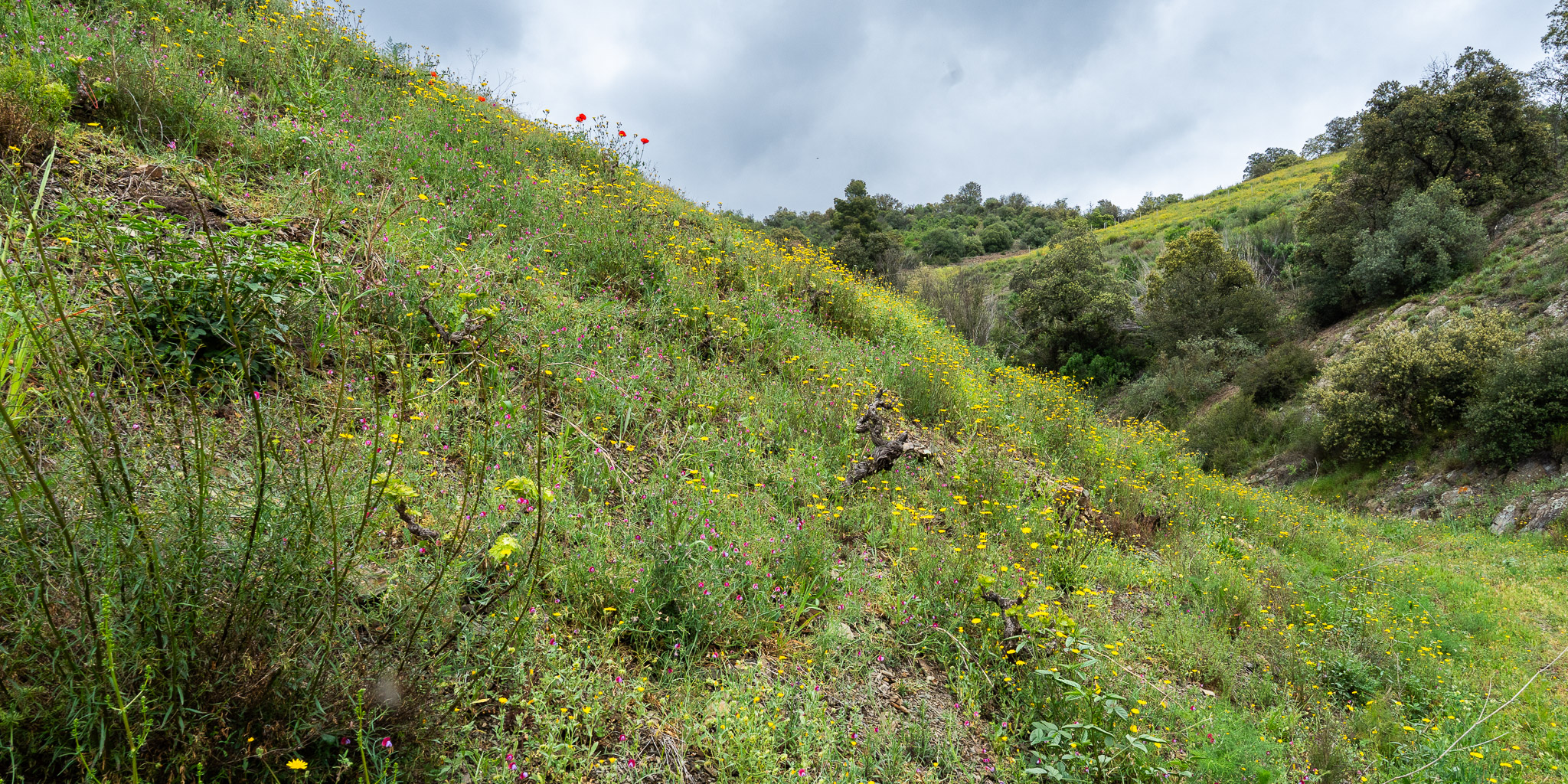
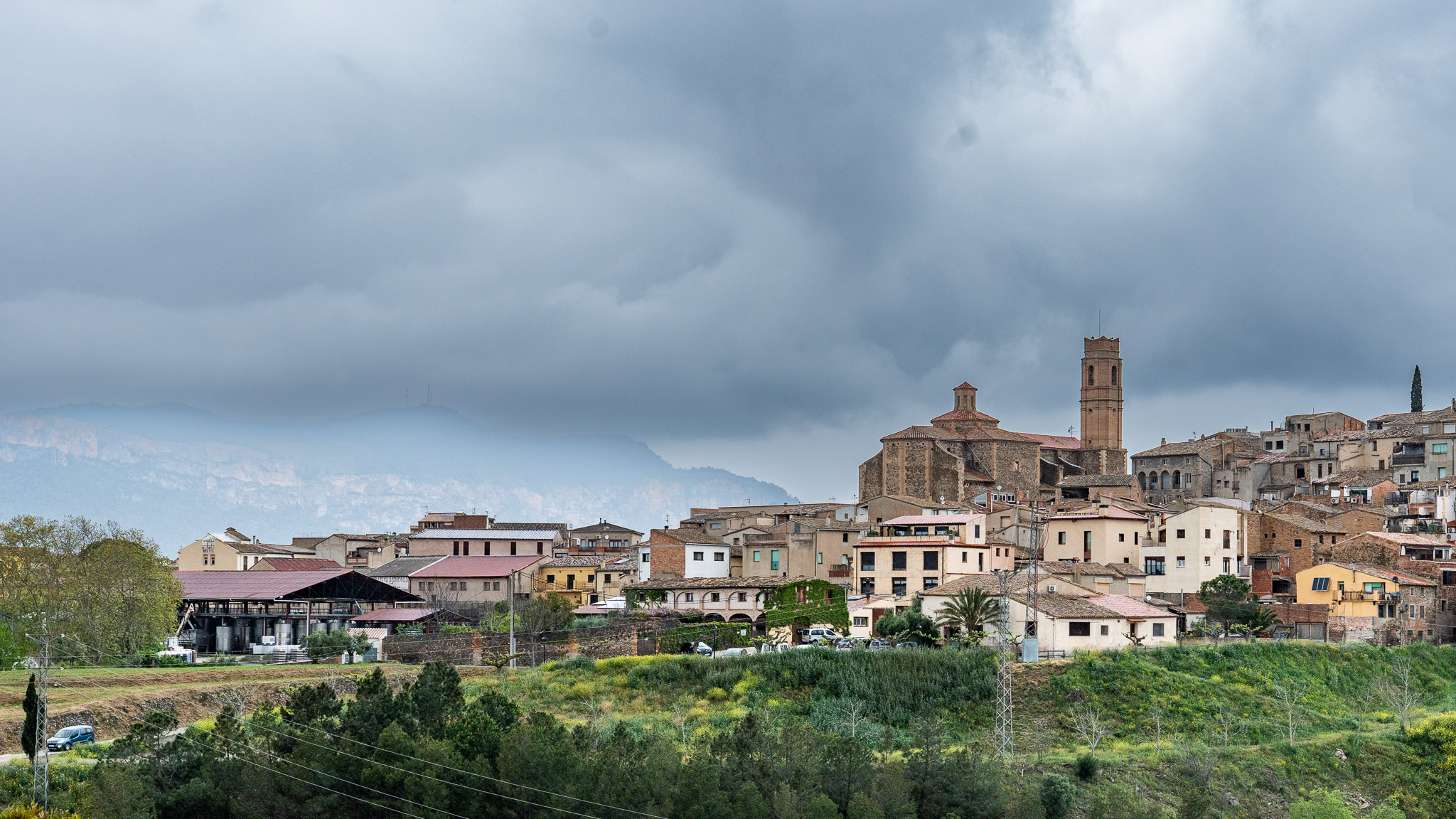
Wine has been made in Priorat since the 12th century, starting with the Carthusian Monks at the Scala Dei Monastery. The region sits behind a set of coastal mountains which reduce but don’t eliminate influence of the Mediterranean Sea. The terrain in the area is very mountainous and rocky with unique Llicorella blue slate soils. Vineyards range between 60 and 700 meters above sea level. Beyond the monastery, wine is made in twelve small villages dotting the area. Phylloxera nearly wiped out winemaking in Priorat as it coincided with a booming textile industry which drew workers into the cities. Luckily, the 1980’s brought renewed interest and investment in the area, resulting in improved techniques and facilites and a new age of high quality Priorat wines.
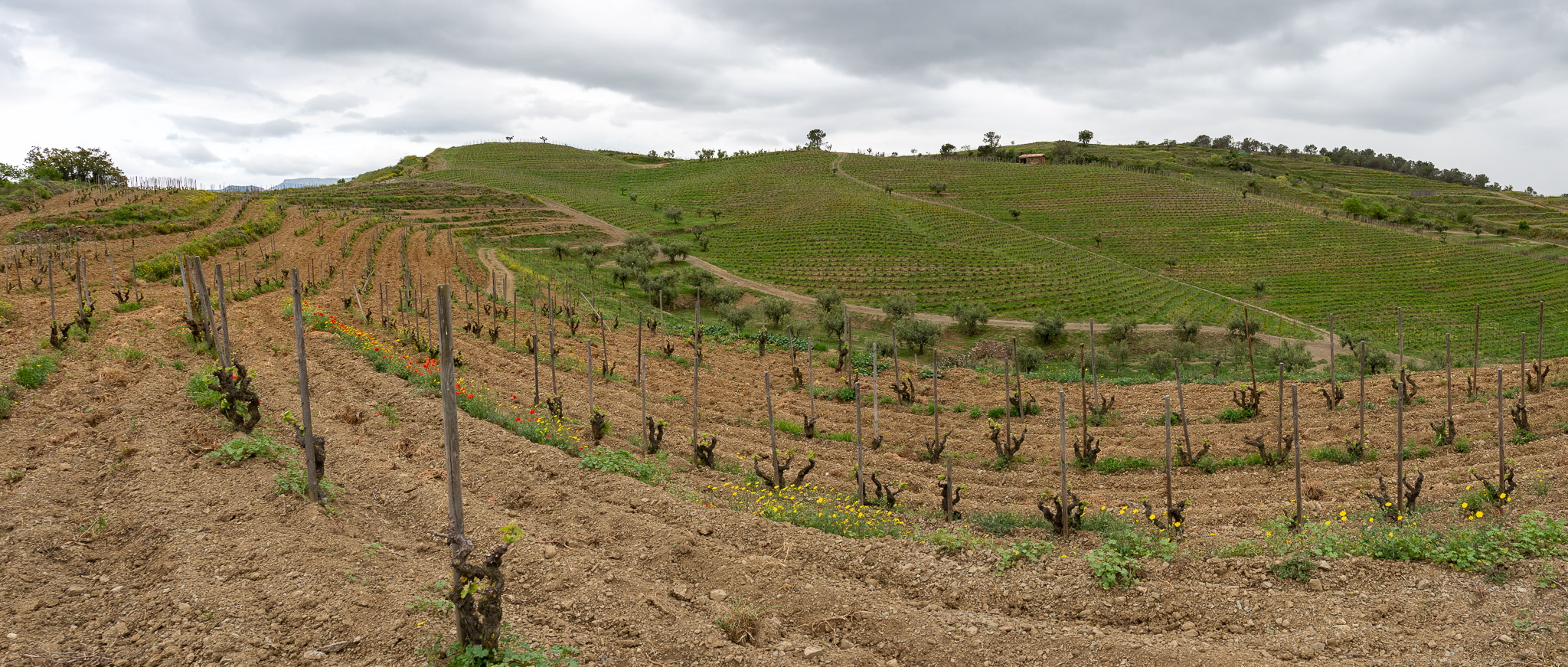
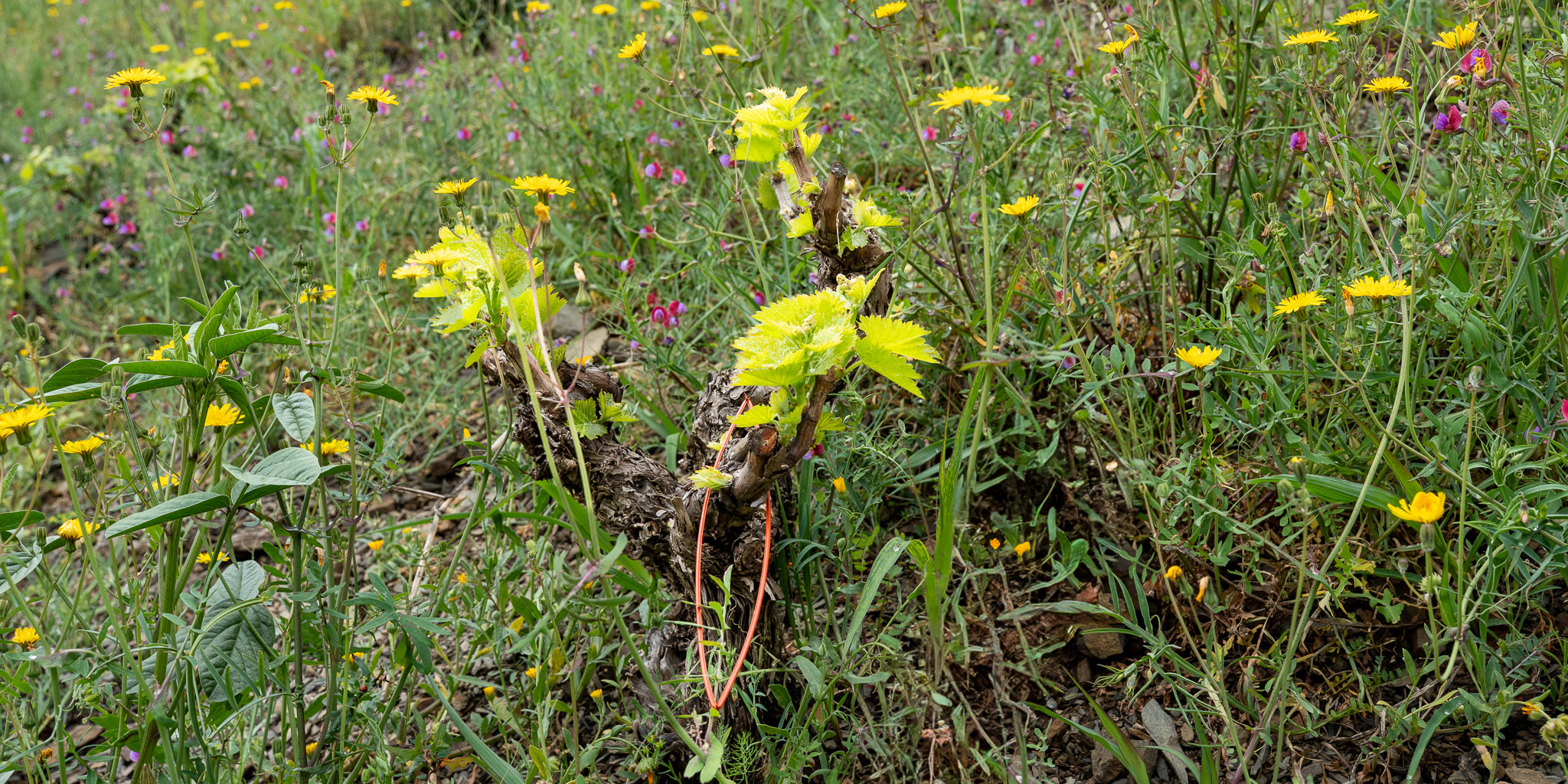
The region is listed at 73,000 ha (hectares) though only 2,000 ha are under vine. This is not your typical plot after plot of vines, stretching as far as the eye can see. This is wild! The majority of the vineyards are situated on slopes of around 30 degrees, so vineyard work is all by hand. Newer plantings are introducing terraces though the traditional costers continue to be popular for the quality of the grapes and required for the very best wines. 90% of the wine in the region is red, though recent consumer interest has brought more attention to white Priorat wines. The main red grapes are Grenache (Garnatxa) and Carignan (Carinyena). The main white grape is Grenache Blanc (Garnatxa Blanca). Other grapes can be used, but these are the dominant varieties. Priorat wines are not inexpensive due to manual vineyard work and low yield, but the wines are generally very high quality. Priorat was awarded the DOQ classification in 2000; one of only two regions in Spain carrying the DOQ designation.

A Day in Priorat with Wine Guide Miquel Hudin
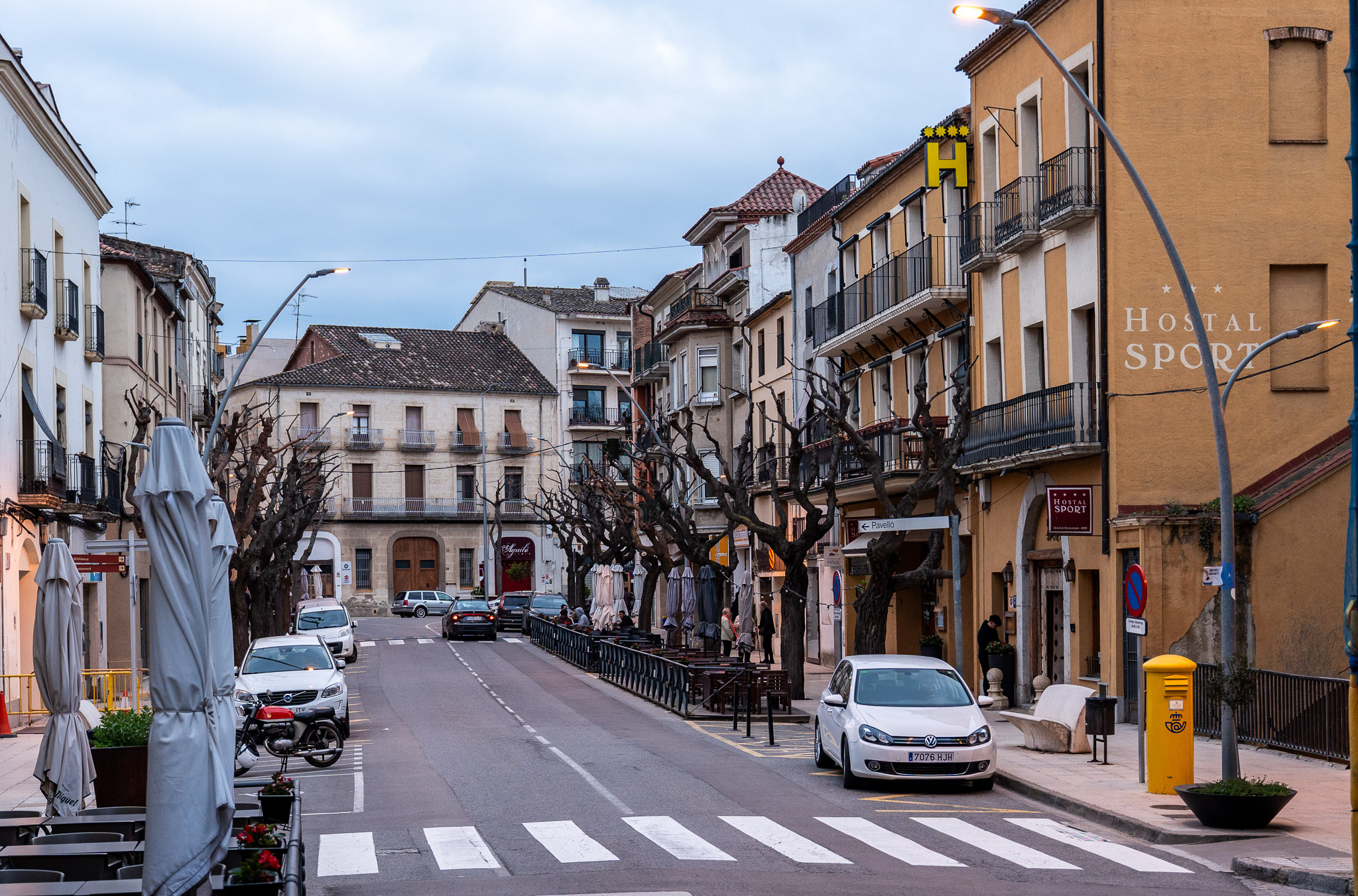
While planning a visit to Barcelona last April, I realized that Priorat was possible as a short overnight stay. We decided to extend our Barcelona trip to explore Priorat; yay! I have long been fascinated by the history, the rugged terrain and the slate soils. It’s so worthwhile to stand where the grapes grow!
Thanks to help from our guide, Miquel, we left Barcelona late on a Sunday afternoon, to arrive by train in the tiny town of Falset about two hours later. Miquel had let us know we should schedule a taxi in advance (or else we would be walking) to our hotel in town. The hotel was quaint and comfortable and even offered dinner. But the owner and staff only spoke Catalan! Miquel picked us up the following morning for a day in this rugged land.
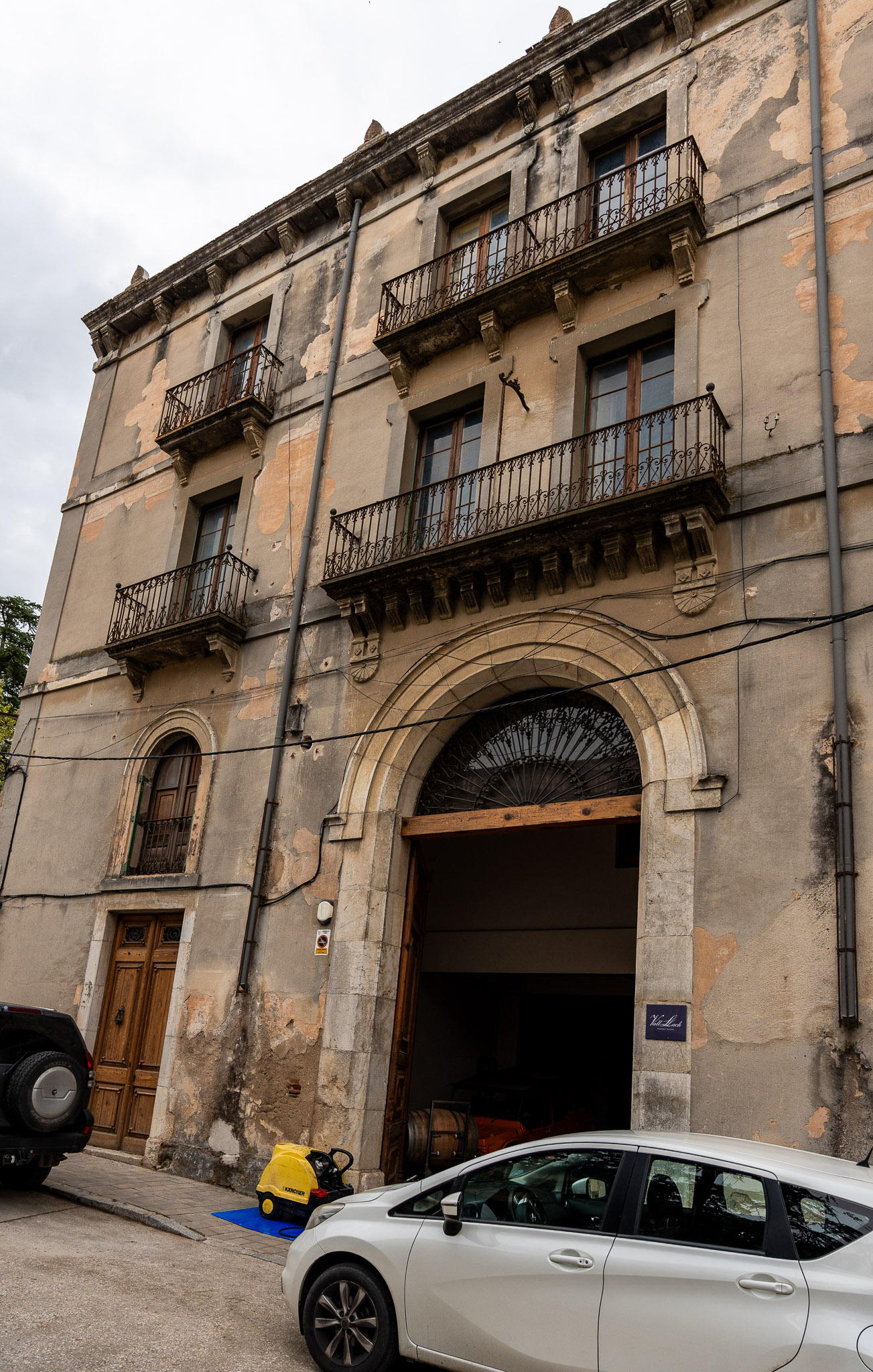
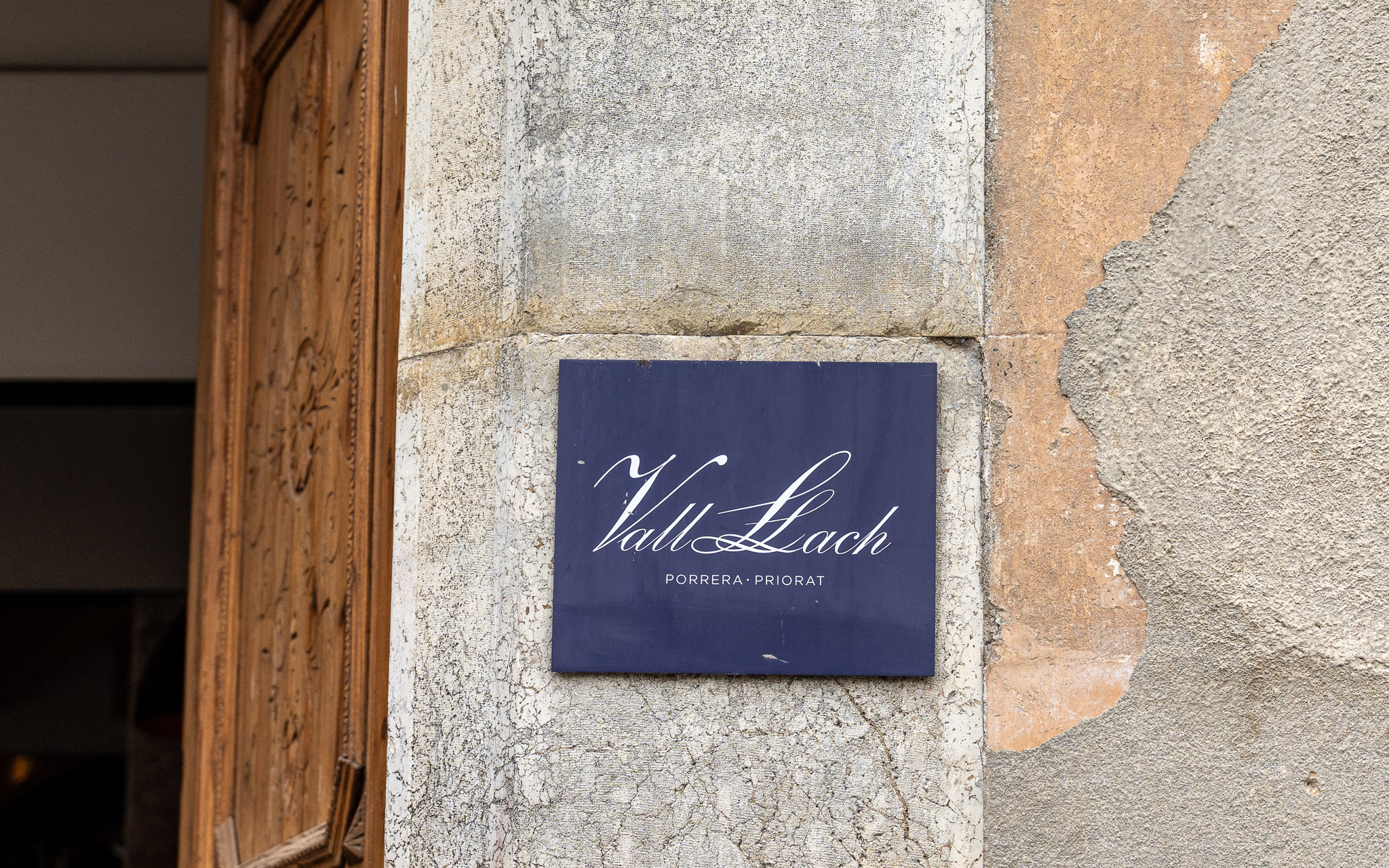

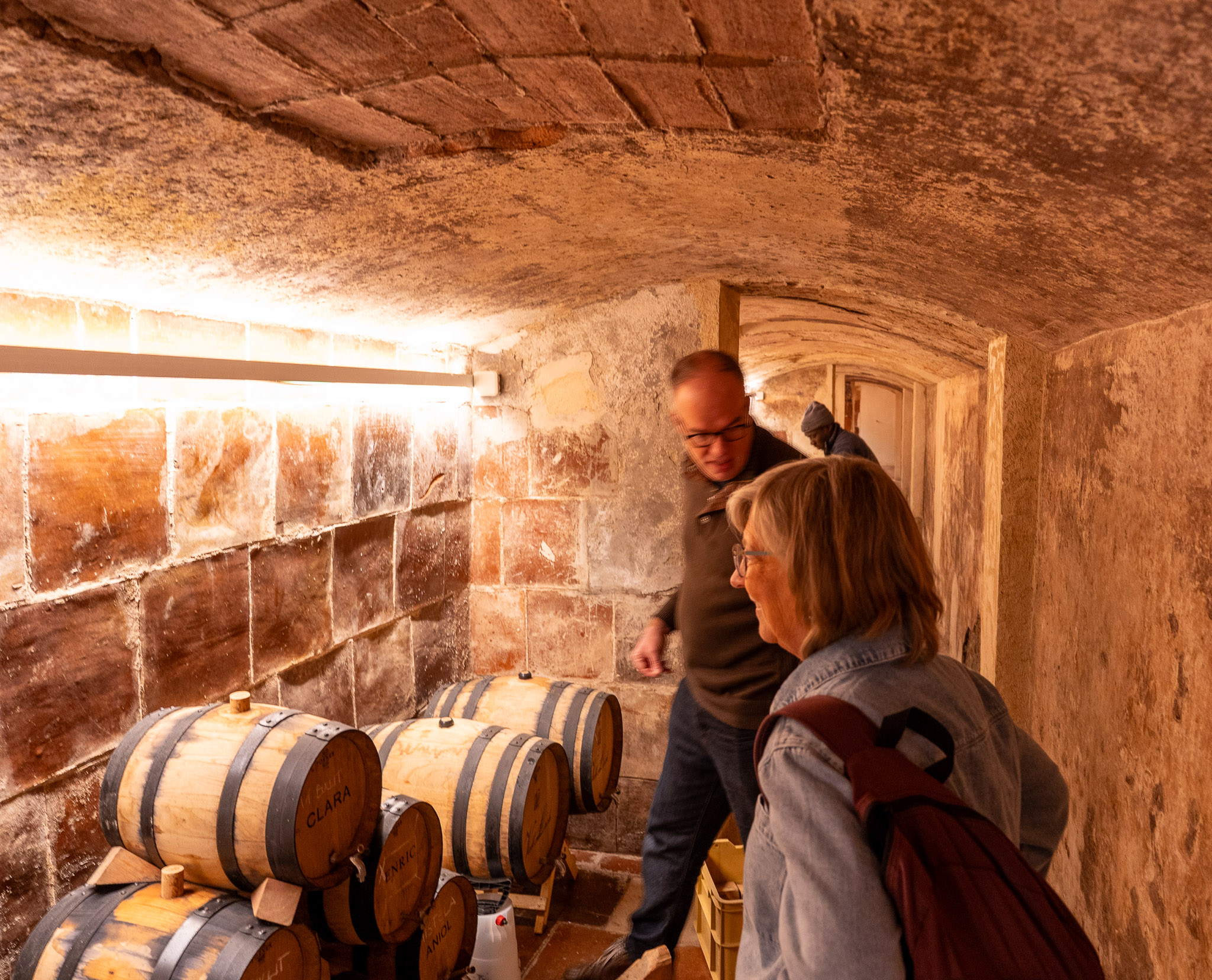
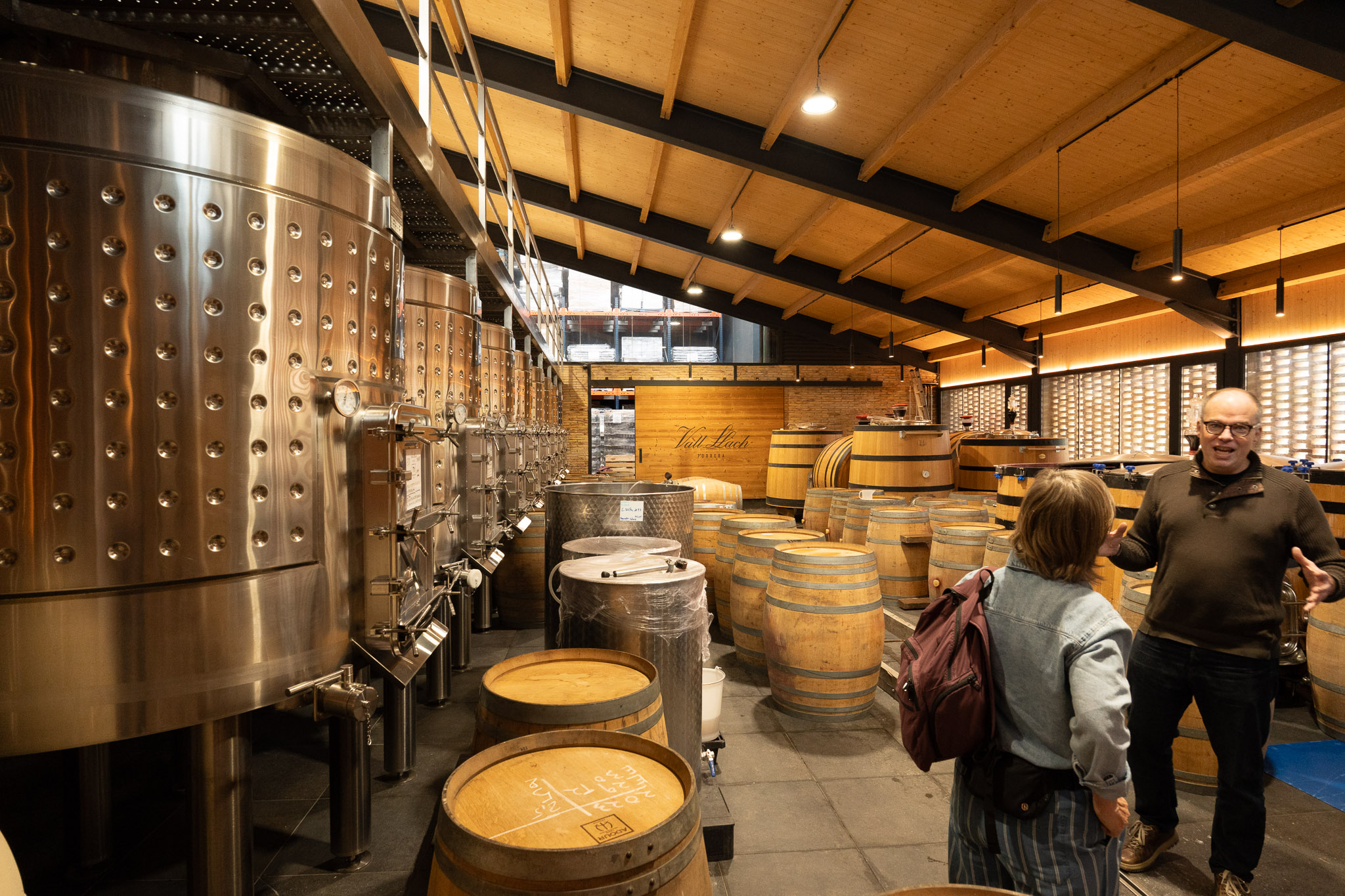
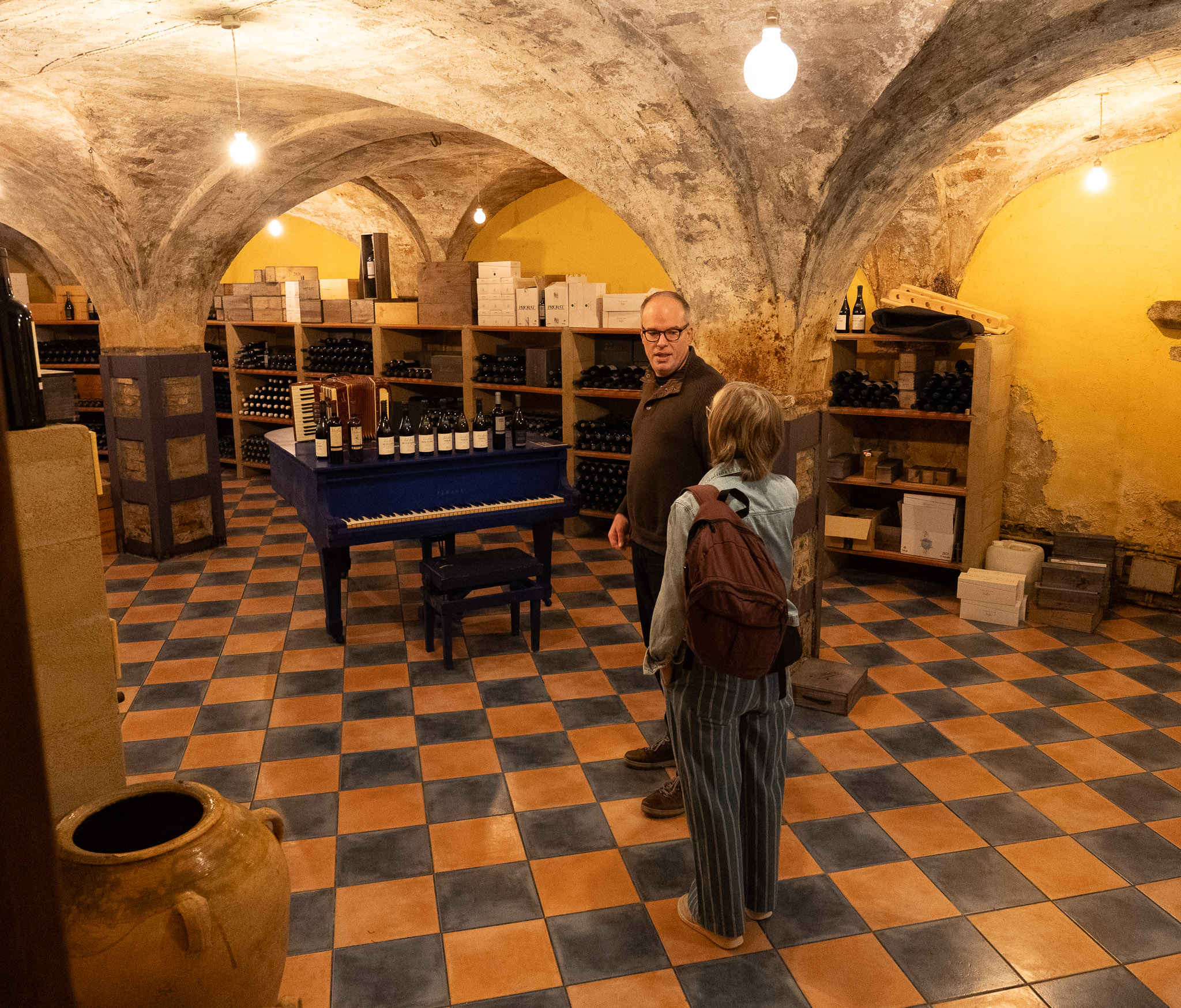
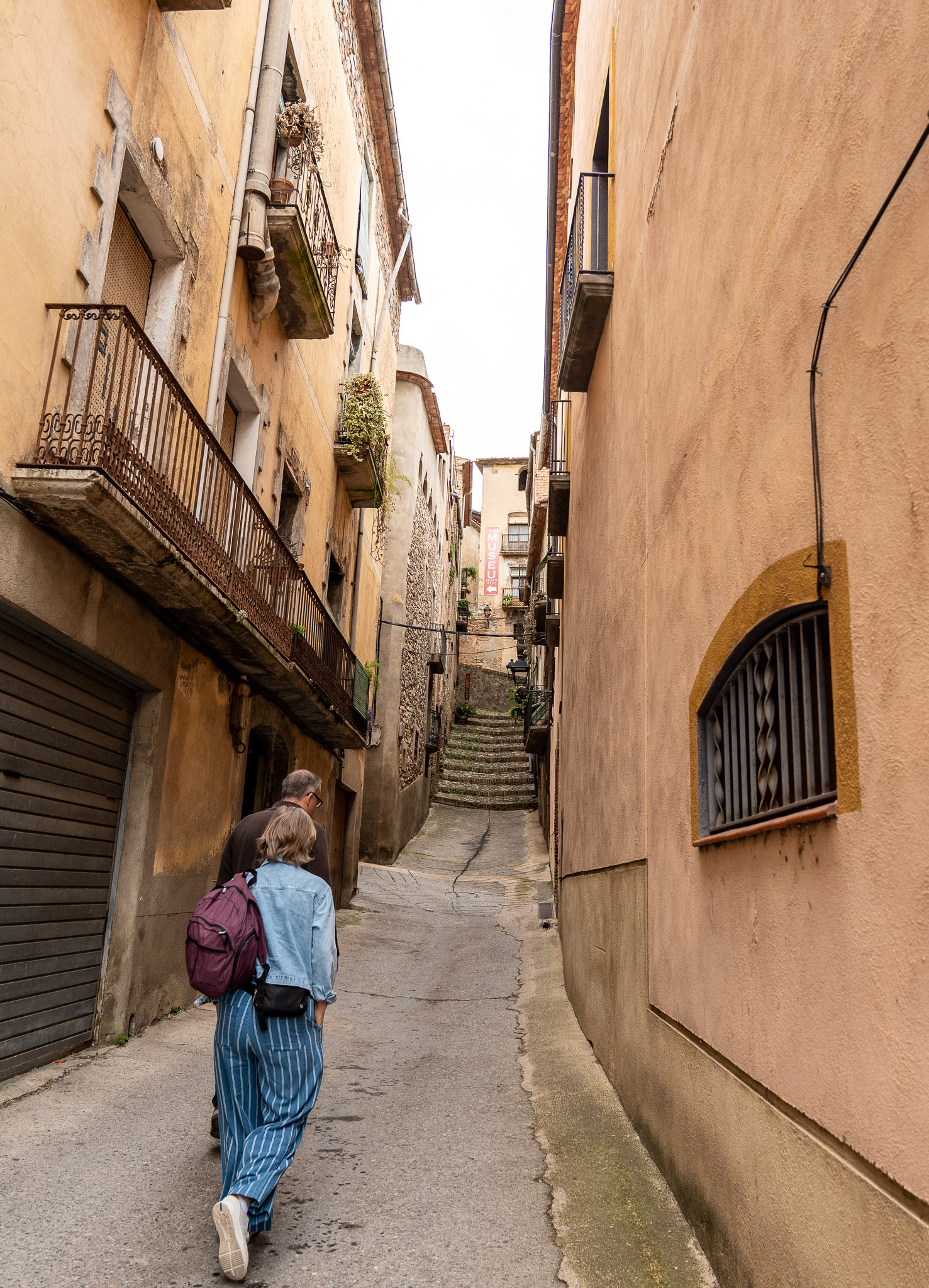
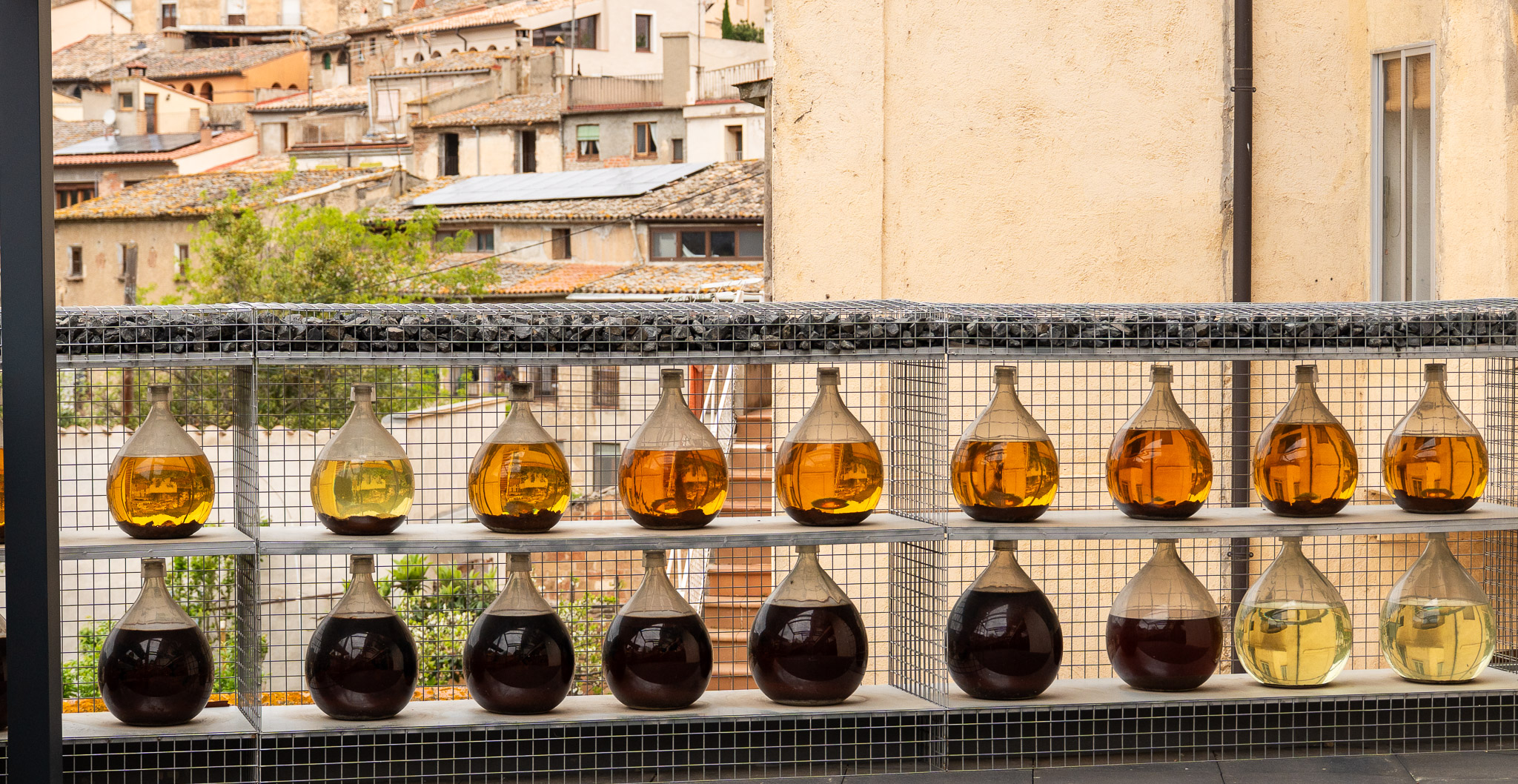
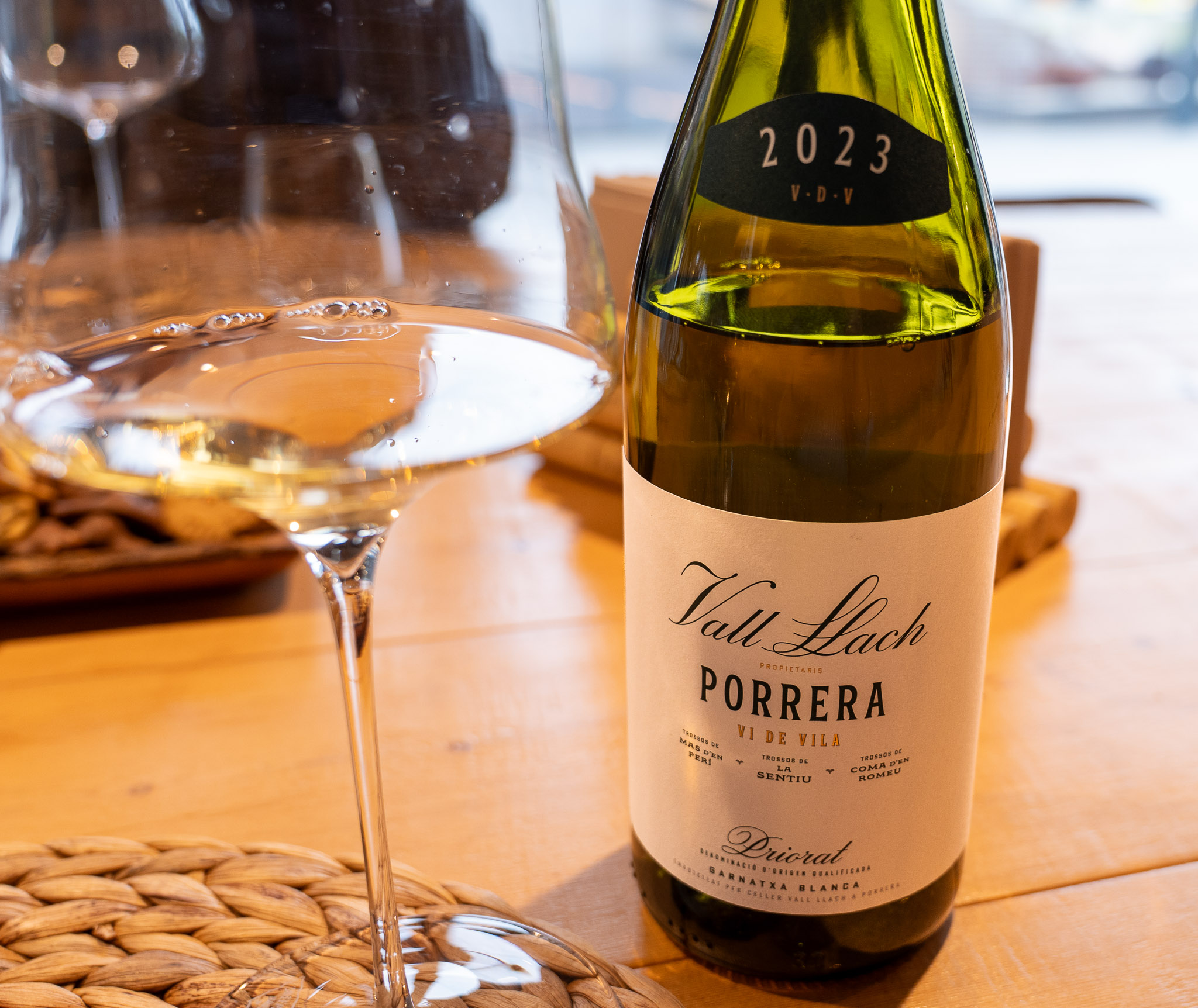
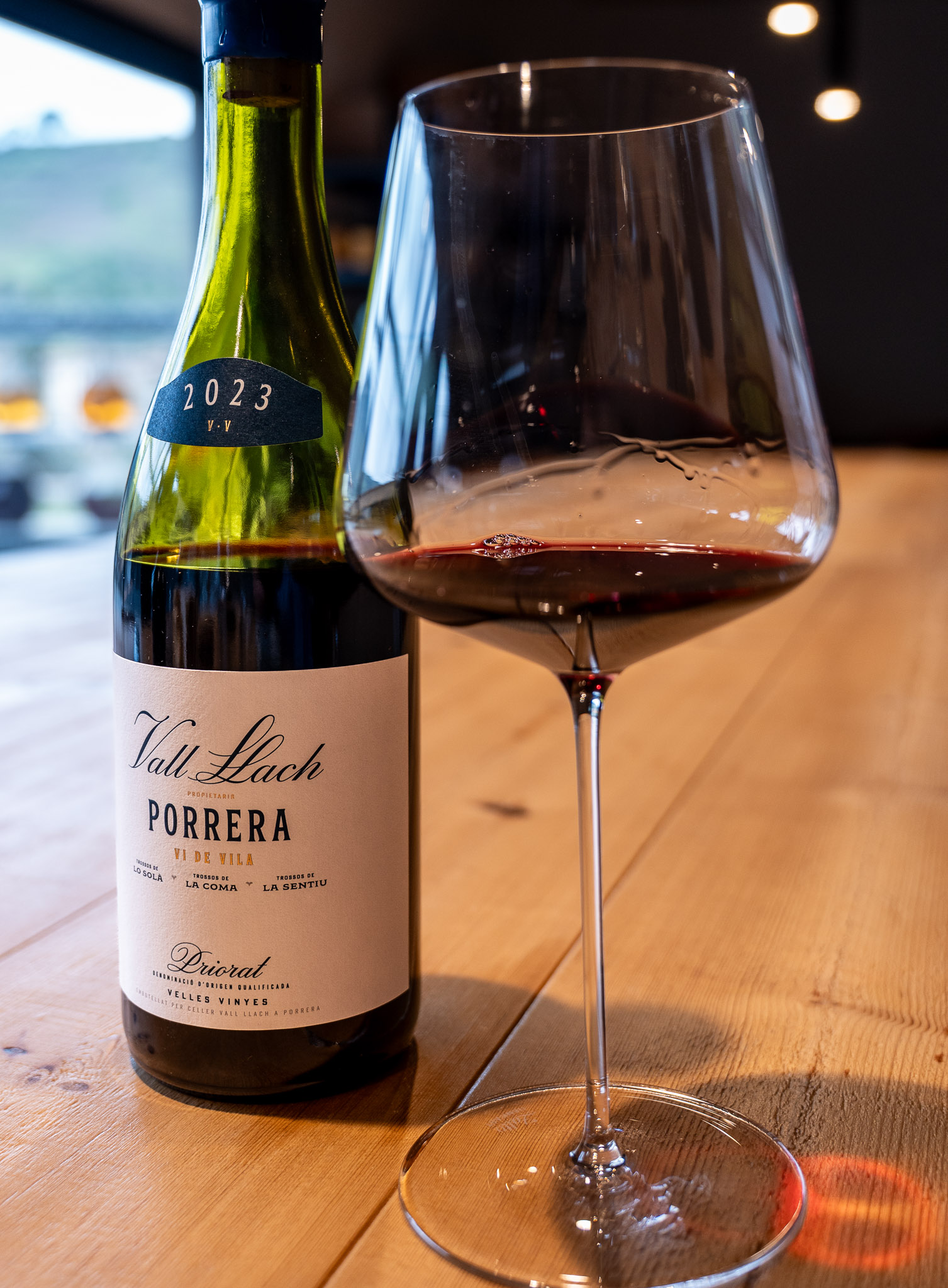
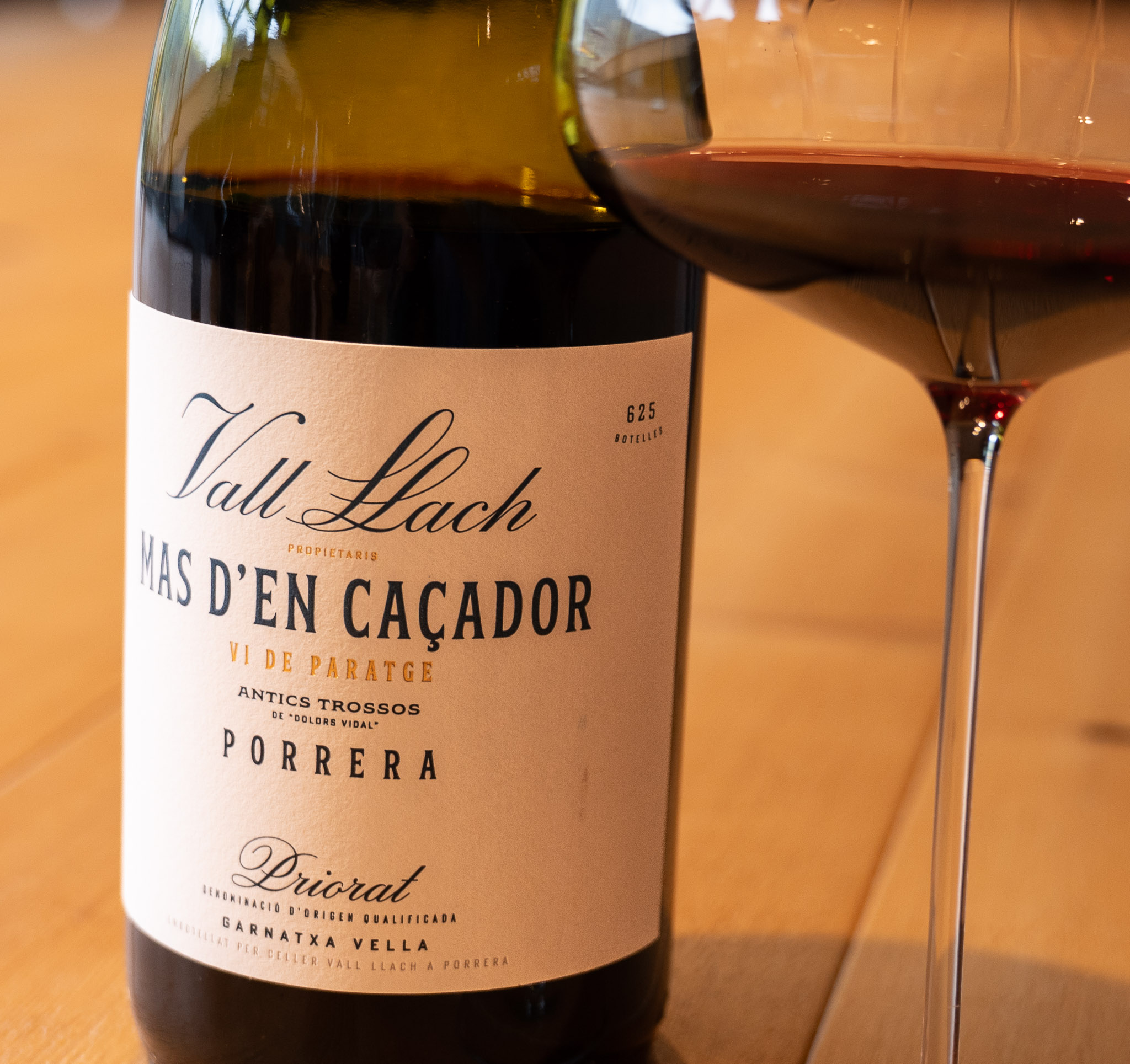
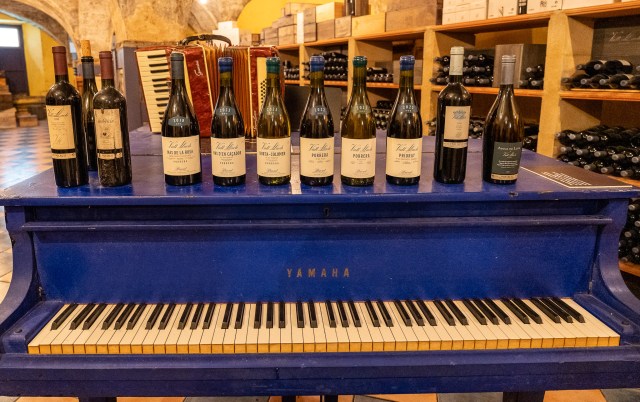
Vall Llach Winery in Porrera
In the early 1990’s the region had begun its renaissance but villages were still very poor and grape growers could barely survive on grape harvest prices. Long time friends Lluis Llach and Enric Costa decided to start a winery as a social benefit project to help keep the town of Porrera vital. Lluis Llach was a famous folk singer and Enric was a successful businessman. Neither one had any real interest in wine, just in helping their hometown flourish! They started paying growers based on the quality of grapes produced and established good wages at their winery. Vall Llach has become one of the top wineries in the region. Today, the operation is led by Enric’s son, Albert Costa. All vineyard work is organic and operations are by hand and by mule. In the winery, wines undergo spontaneous fermentation, no added yeasts.
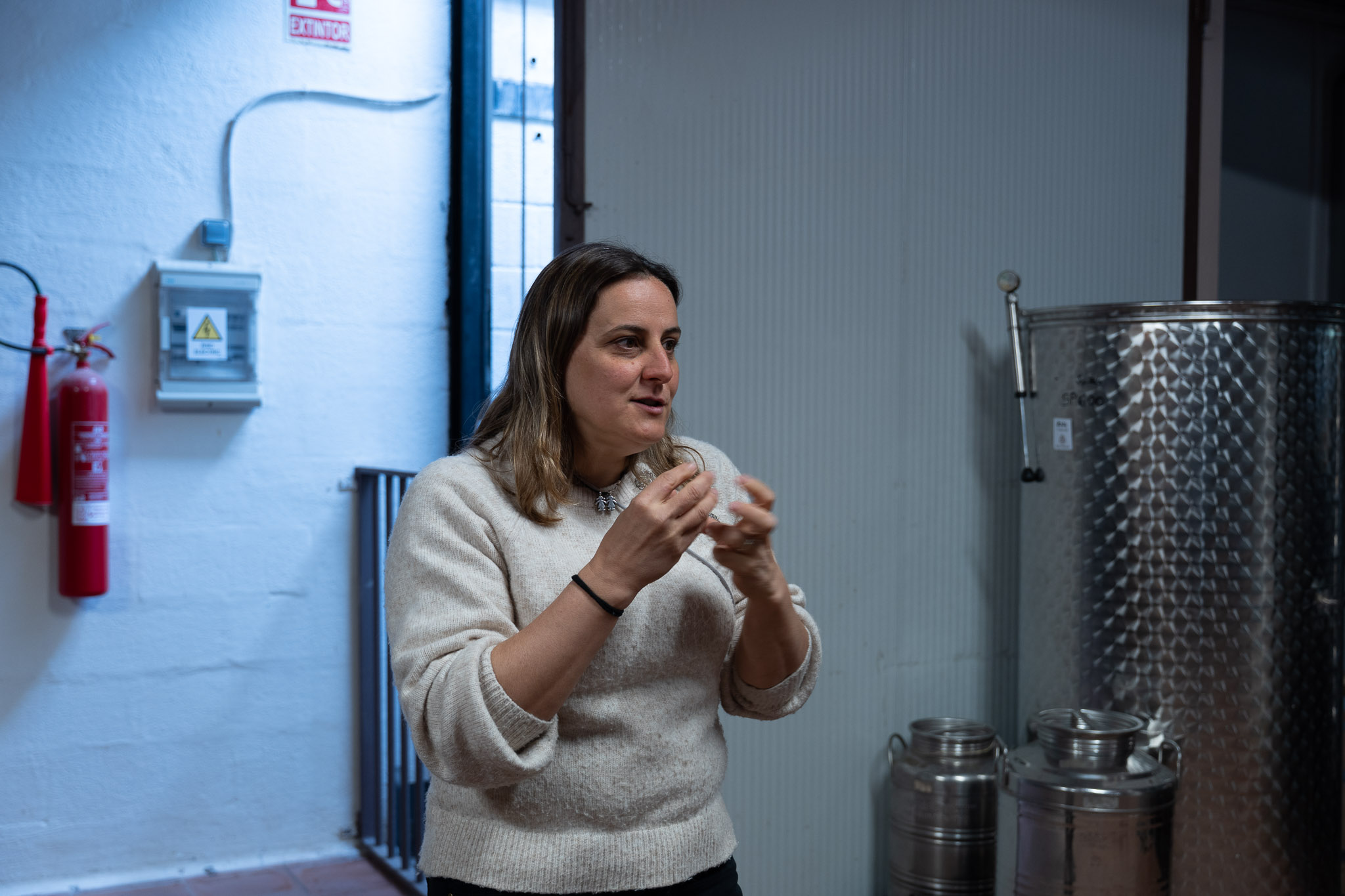


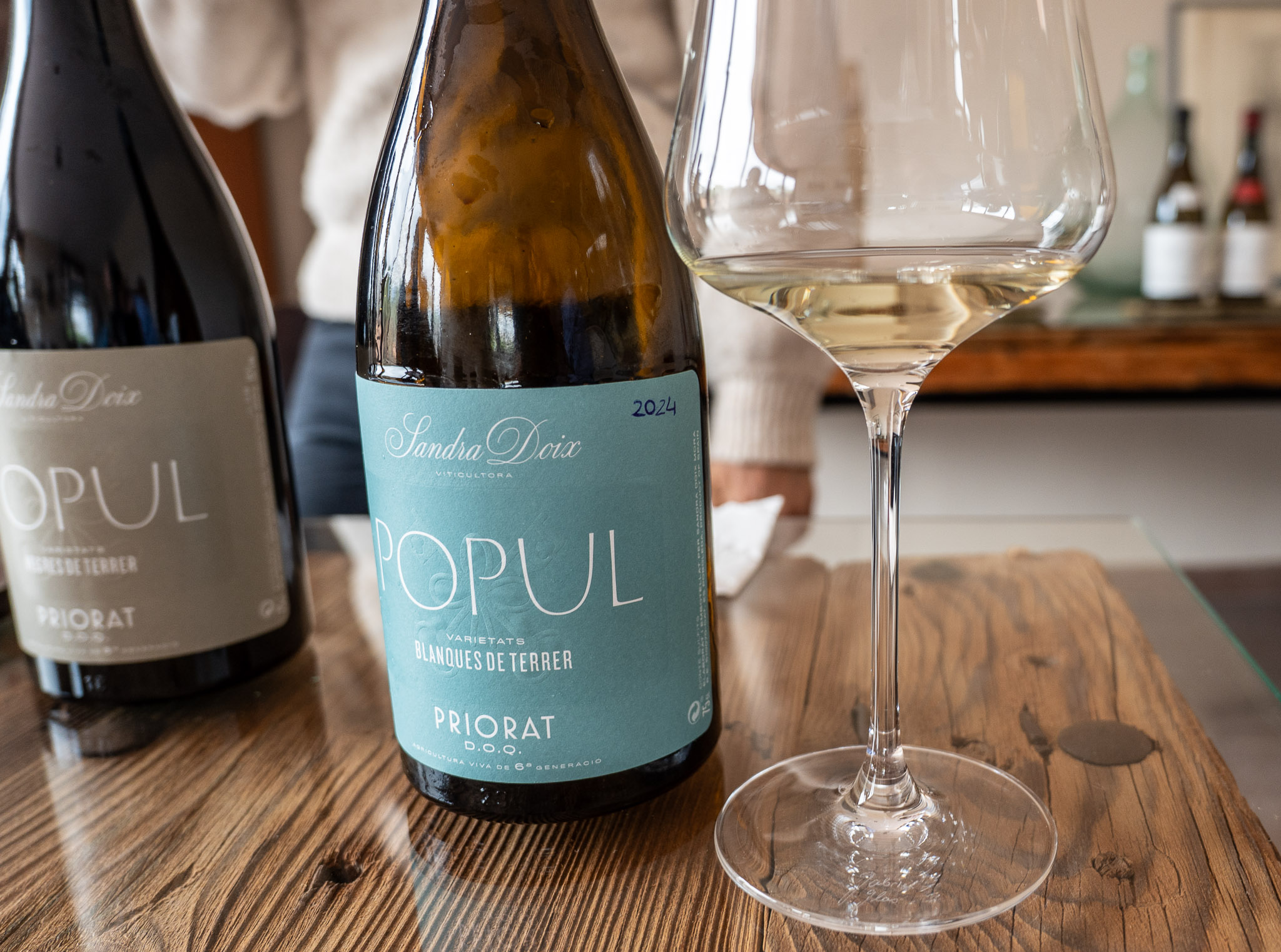

Sandra Doix Winery in Poboleda
Several years ago, Sandra Doix and her parents separated from the larger Mas Doix winery after a parting of points of view. Sandra and family retained the original winery and 5 ha of prized vines at Salanques de Joan Doix. Here parents are retired now and Sandra has been in charge since the 2019 vintage. Sandra is a trained viticulturist and enologist and speaks passionately about her vineyards and her wines.
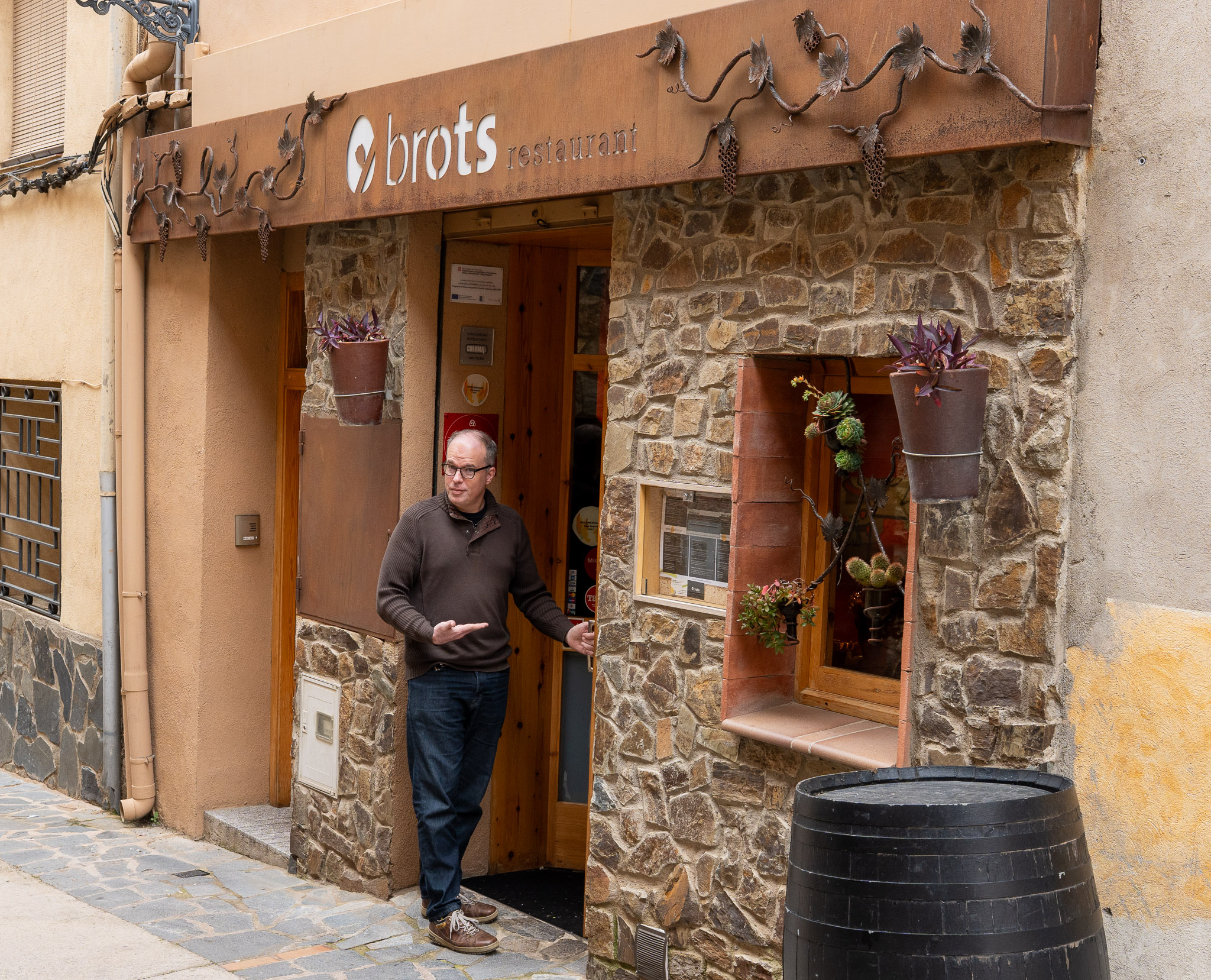
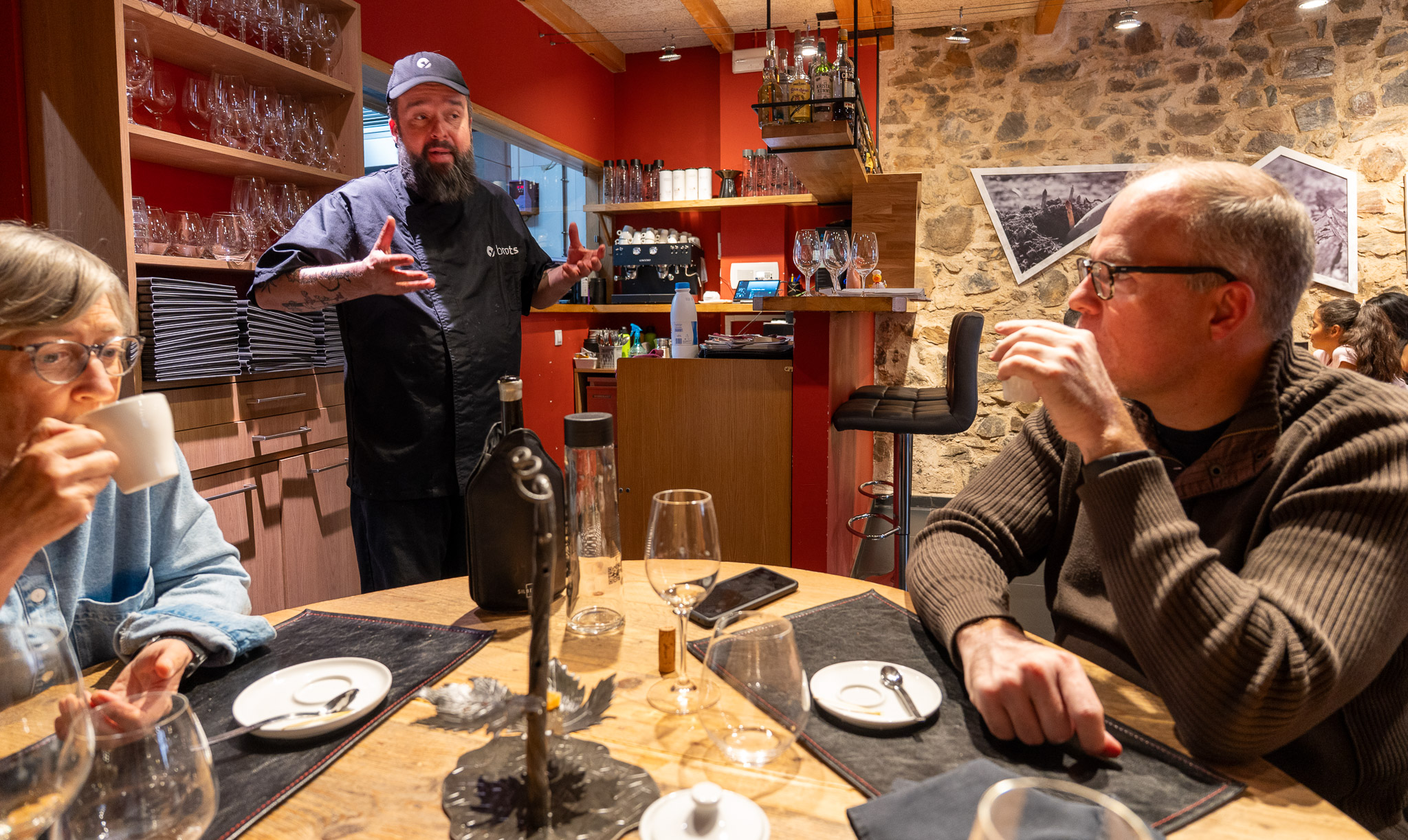

Gourmet Lunch in Poboleda
Far from the big city, there is still room for a Michelin Bib Gourmand restaurant! What a treat to enjoy creative cuisine on our day in the countryside.
If You Want to Go
If you’re thinking of going to Barcelona, why not spend an extra day to explore the wild country of Priorat? You can reach Miquel Hudin at Priorat.Guide. He can schedule your tour and provide all the extra information you’ll need to get to Falset. Good luck and have fun!

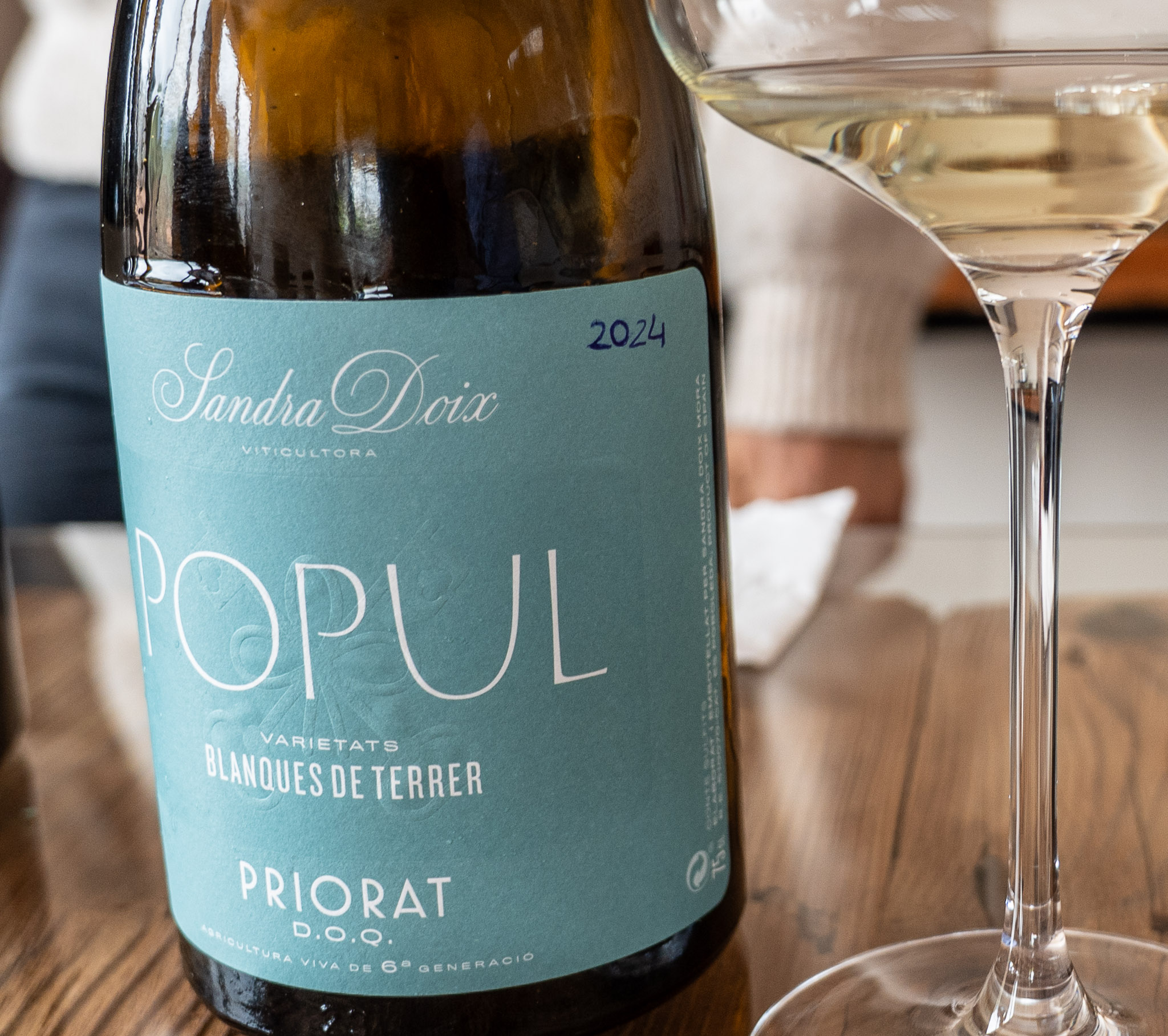
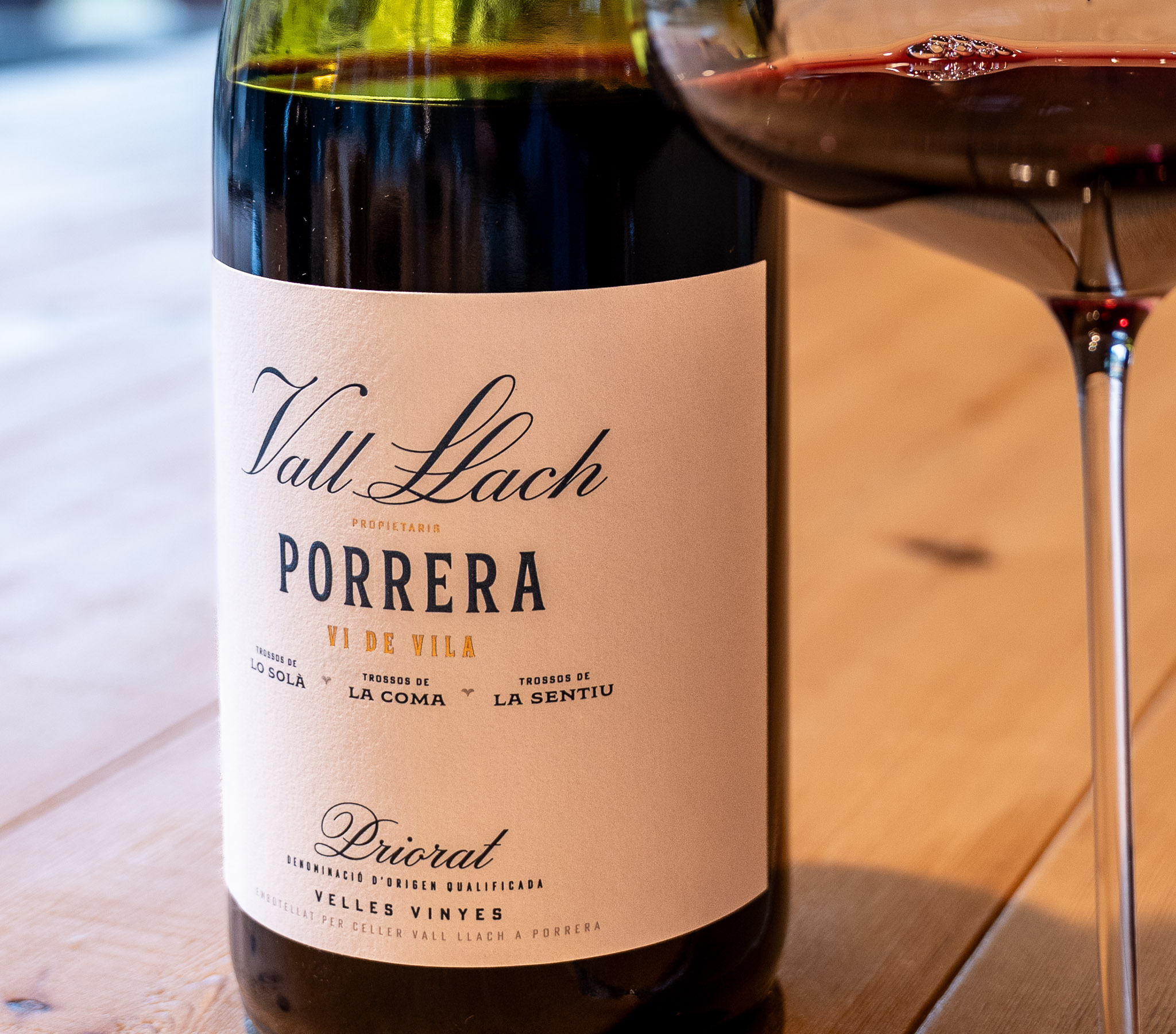
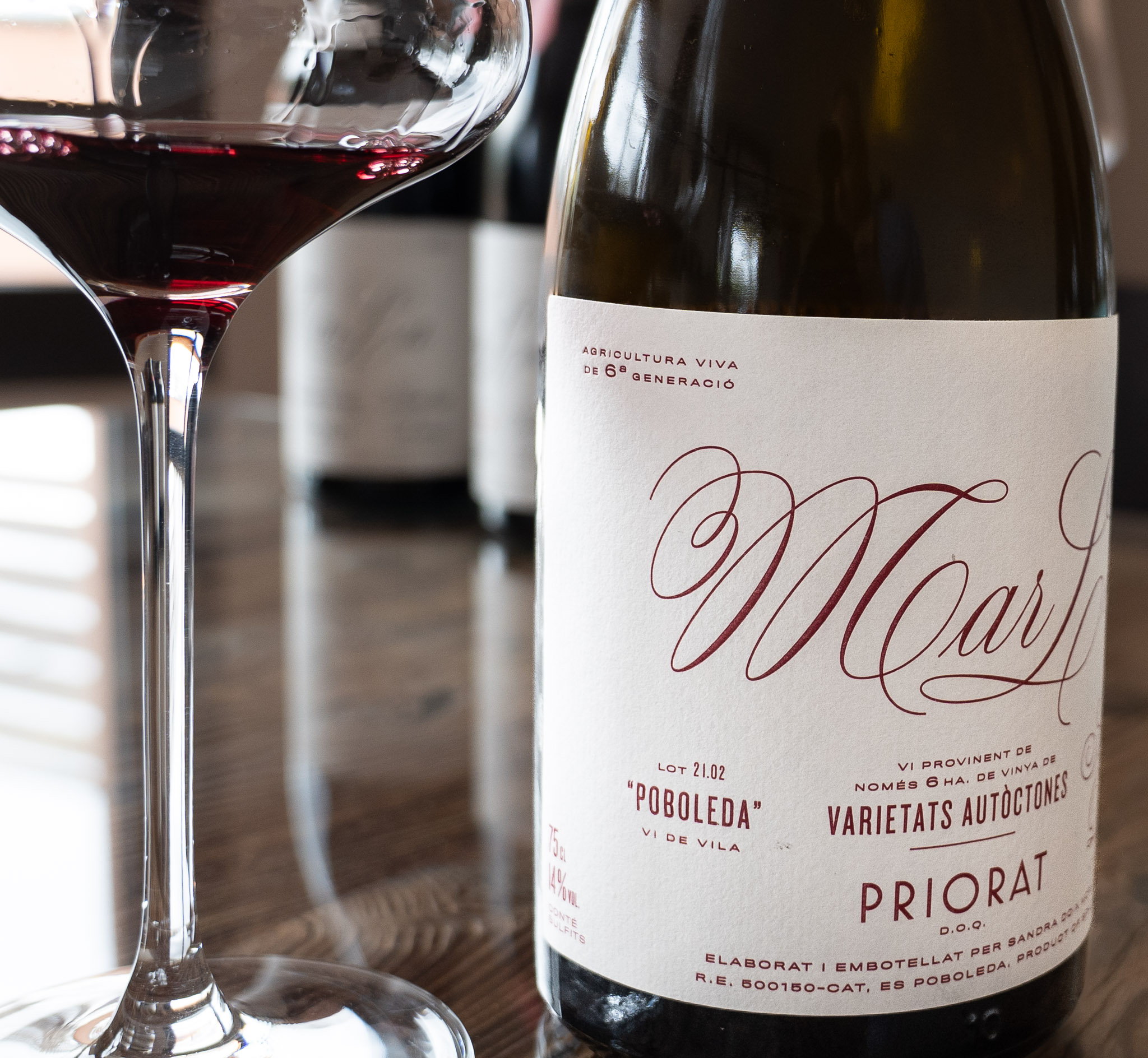
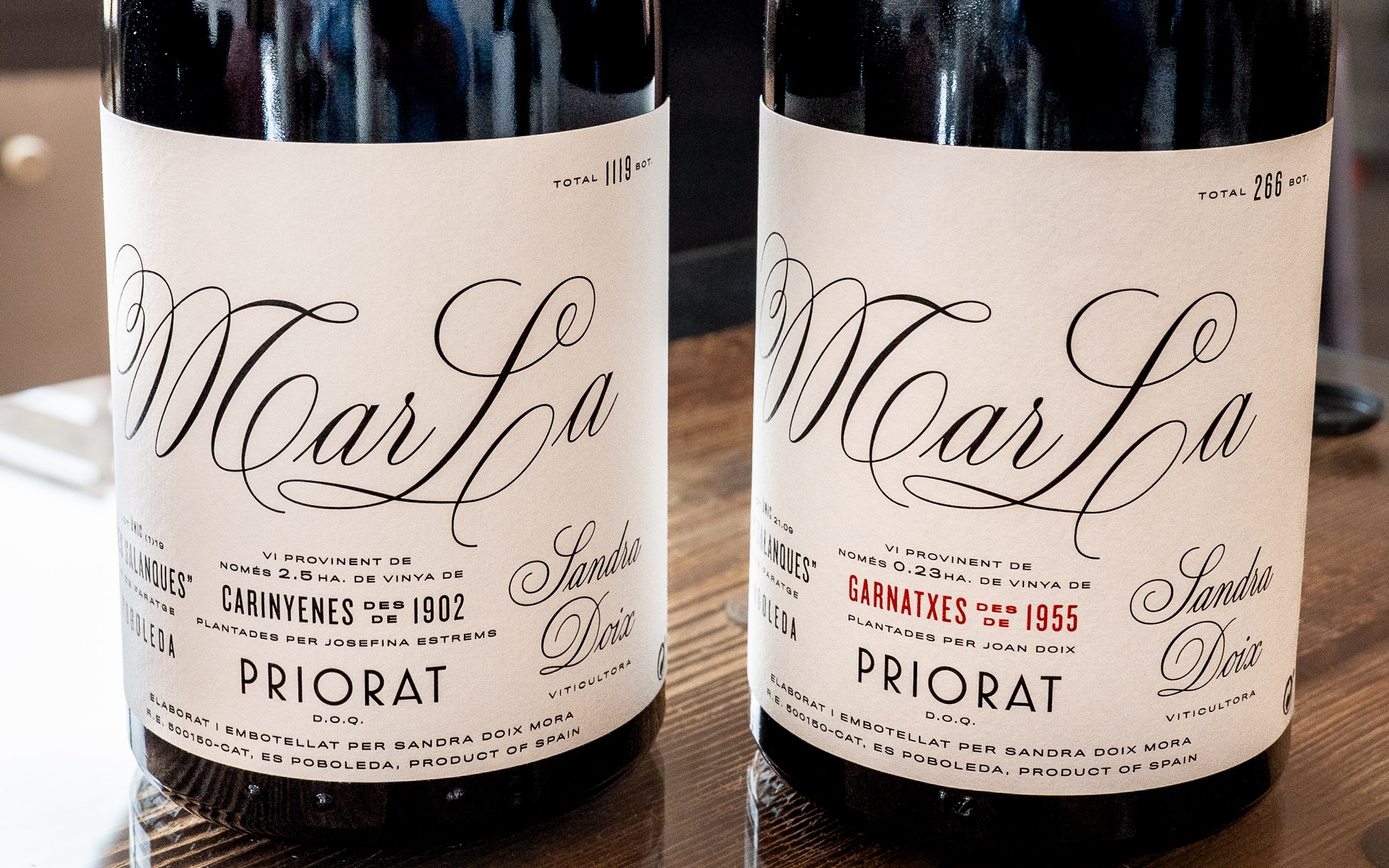
Els noms de la terra (The names of the land) – the Priorat DOQ Classification
Recently, the Priorat producers along with the regulatory body have created a classification scheme, similar to that found in Burgundy in France. When you are shopping for a Priorat wine, the classification may help you understand the quality level and price of the wine.
• DOQ Priorat – Regional wine / Regional wine
Grapes grown anywhere in the region. Creativity and experimentation are encouraged. In my US experience, these are the wines one is likely to see on store shelves.
• DOQ Priorat Vi de Vila (village wine)
Grapes are grown within the village boundaries as laid out by the Consejo Regulador. Minimum 60% Grenache and/or Cariñena, yields are restricted. Vineyards must be owned or long-term leased.
• DOQ Priorat Vi de Paratge (lieu-dit)
Grapes come from a single named site, further restricted yields, vineyards must be at least 15 years old.
• DOQ Priorat Vinya classificada (premier cru)
Grapes grown on a single named vineyard, minimum 60% Grenache and/or Cariñena, 80% of vines must be at least 20 years old, 5 years of traceability.
• DOQ Priorat Gran vinya classificada (grand cru)
Grapes from a single grand cru vineyard using traditional growing methods. Highly restricted yields, at least 90% Grenache and/or Cariñena, 80% of vines at least 35 years old, 5 years of traceability.
• Velles Vinyes (old vines)
Can be used by any category, vines must be more than 75 years old or planted before 1945
Fellow Wine Writers Share Something New for 2026
In January, our writers are sharing something new and possibly of interest to you! Are you looking for a new wine, a new winery or a new region to try? Take a look below!
• David from Cooking Chat shares “Something New: Visiting Wineries in Five States You Might Not Expect“
• Deanna from Wineivore shares “The Slovakian Princess Grape: Pesecká Leánka“
• Wendy at A Day in the Life on the Farm shares “Exploring Garda Bianco from Poggio delle Grazie as we enter 2026“
• Cathie at Side Hustle Wino shares “The Mystery of Korean Ginseng Wine Explored“
• Jeff at Food Wine Click! shares “Explore the Wilds of Spain in Priorat“
• Jennifer at Vino Travels shares “Where Italy’s Largest Lake Meets the Vineyards: Discovering Garda DOC”
• Camilla at Culinary Cam shares “Armenia: A Wine Story Spanning Six Thousand Years“
• Susannah at Avvinare shares “Friuli Venezia Giulia: Rosazzo Discoveries“
• Terri at Our Good Life shares “New Wine Company in the Hills of the Ozarks (Missouri)“
• Our host, Lynn, at Savor the Harvest shares “Wine Explorations 2026: regions, wineries and varieties, featuring négrette and Applegate Valley AVA“
Share this:

Comments
10 Responses to “Explore the Wilds of Spain in Priorat”Trackbacks
Check out what others are saying...-
[…] Jeff of Food Wine Click invites us to “Explore the Wilds of Spain in Priorat.” […]
-
[…] Wino shares “The Mystery of Korean Ginseng Wine Explored“Jeff at Food Wine Click! shares “Explore the Wilds of Spain in Priorat“Jennifer at Vino Travels shares “Where Italy’s Largest Lake Meets the Vineyards: Discovering […]
-
[…] Garda Bianco from Poggio delle Grazie as we enter 2026“Jeff at Food Wine Click! shares “Explore the Wilds of Spain in Priorat“Jennifer at Vino Travels shares “Where Italy’s Largest Lake Meets the Vineyards: Discovering […]






 foodwineclick
What a great trip.
Sounds like a great visit! I’ll be in Barcelona for a few days in February, wish I had time to squeeze in a Priorat visit. Especially after reading this!
This sounds like a true adventure Jeff! I have loved Priorat wines I have tried, but there have not been many.
I have always been enamoured with this region! How exciting that you were able to visit! Thanks for sharing your amazing visit and Miquel’s information!
What a great side trip from Barcelona. Good to know Miguel helps… didn’t realize he had this company. We’d planned a 3-day trip to Priorat in ’24 but had to cancel including Vall Llach and Doix, and lunch at Bib Gourmand! Your post is killing me! Thanks for joining us this month.
It was a pleasure to walk with you along the paths of the Priory!
There is no better to understand the wine than being in person. Seems like you had a great behind the scenes tour.