Hybrid Grapes and Cold Climate Wines
It’s Time for Hybrid Grapes and Wines
Hybrid grapes have come a long way in recent years, as well as winemakers understanding of how to get the most out of these grapes in their voyage to become wine. Whether the concern is over grape survival in bitter cold winters or how resistant they are to common diseases, hybrid grapes are developed to offer solutions to these challenges. Finally, the wine made from them must taste good! As hybrid grapes and wines have made progress, so has the interest from the general wine community. It’s time to start exploring hybrids!
(click on any photo for a full size slide show)
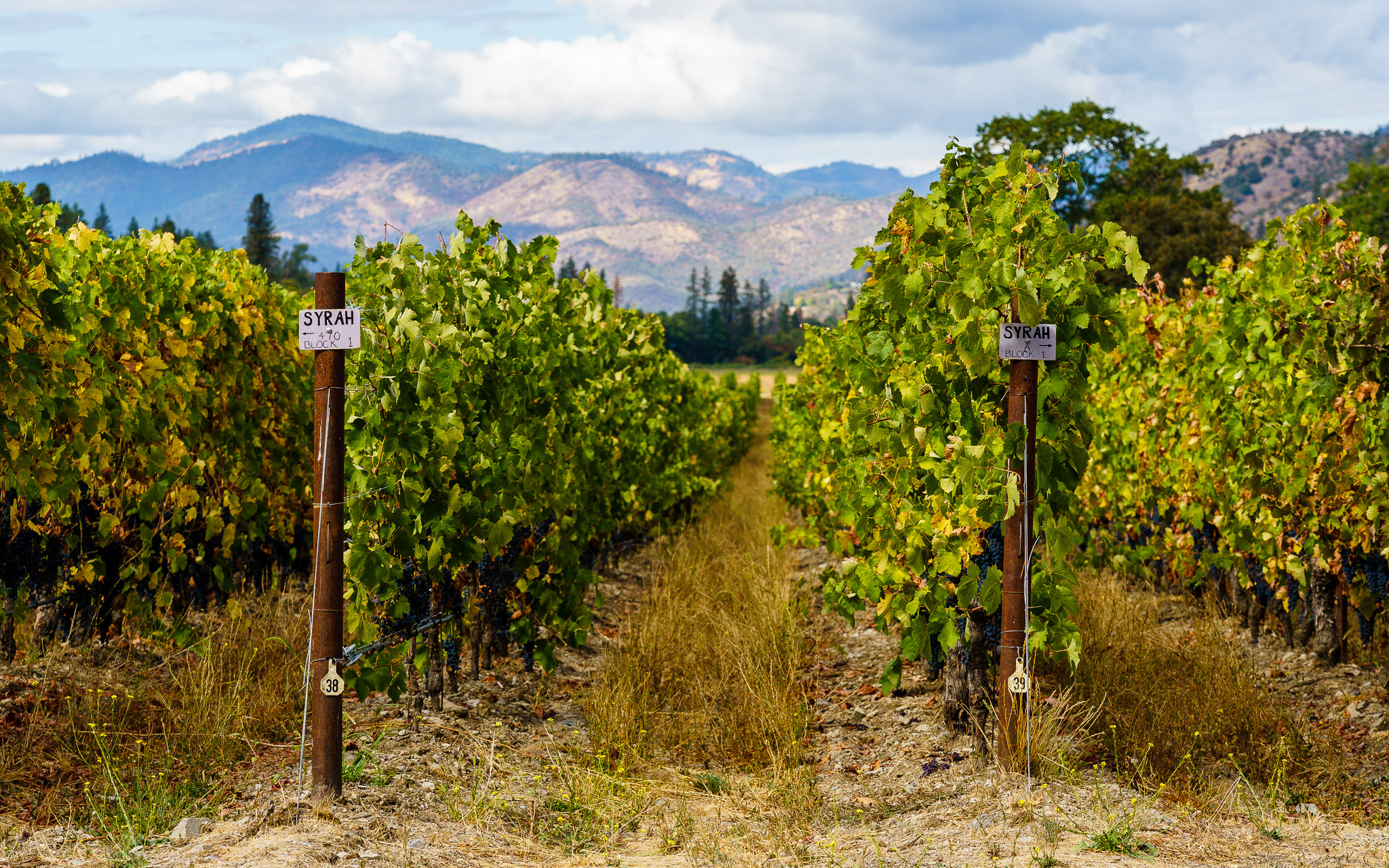

95+% of Wine Comes from One Grapevine Species
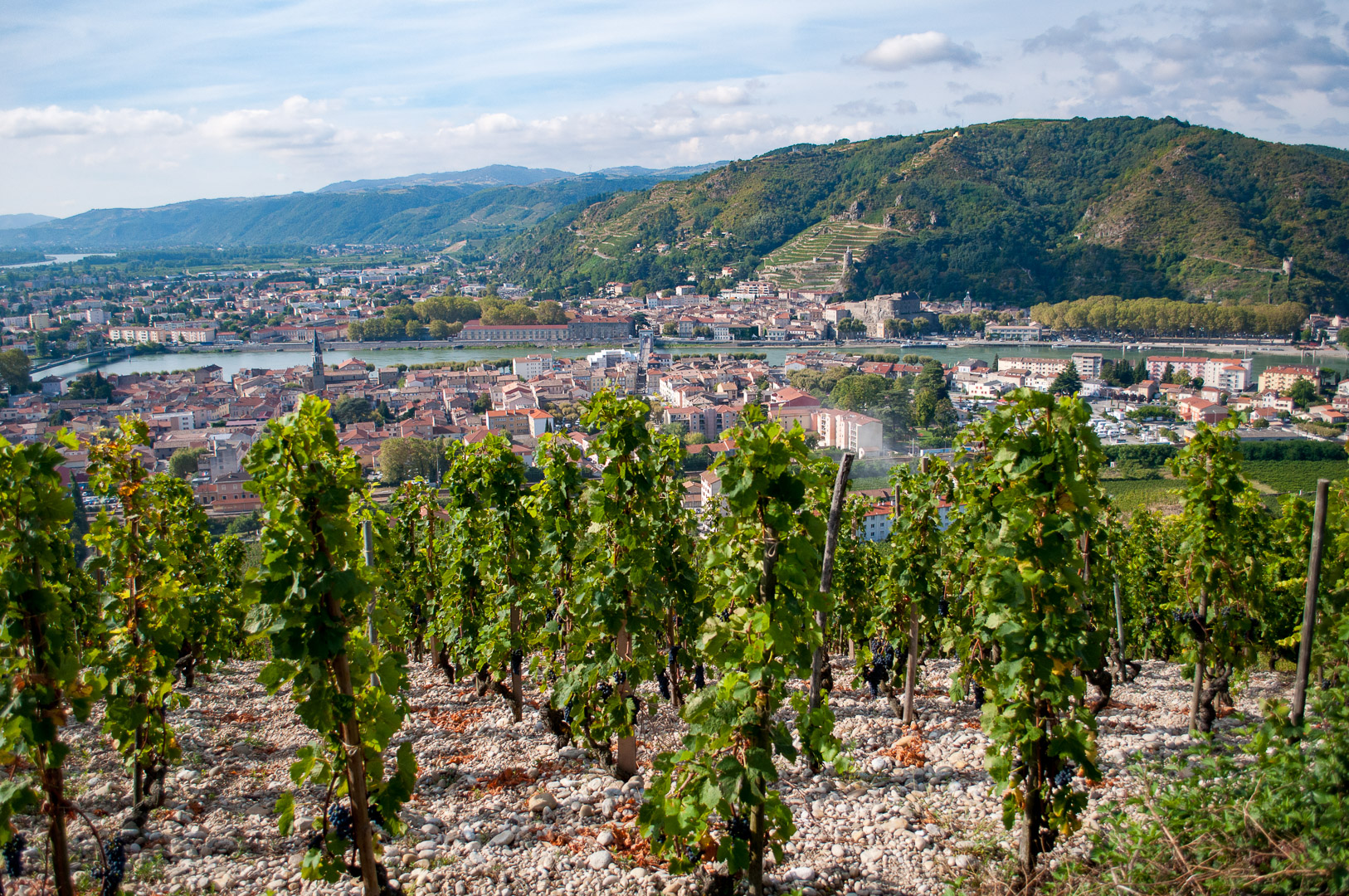
Vitis vinifera is the name of the grapevine species responsible for virtually all the wines we drink around the world. Cabernet Sauvignon is the same species as Sauvignon Blanc, they are just different cultivars, a bit like different color roses, or great danes vs. dachsunds. Wine from Vitus vinifera gives us great joy with intriguing aromas and flavors, and many wines even benefit from aging. But this vine is not without its problems. It thrives in a relatively narrow temperature band and is especially vulnerable to cold temperatures; Minnesota winters are just too cold, the vines will die. These vines are very sensitive to a wide variety of diseases and pests such as powdery mildew, downy mildew, phylloxera and others. Consequently, winegrowers typically use pesticides, herbicides and fungicides to keep the vines healthy and the grapes fault-free. As agriculture regulations become stricter regarding the use of synthetic chemicals, and customers are demanding more environmentally positive products, inherent disease resistance is becoming more important.

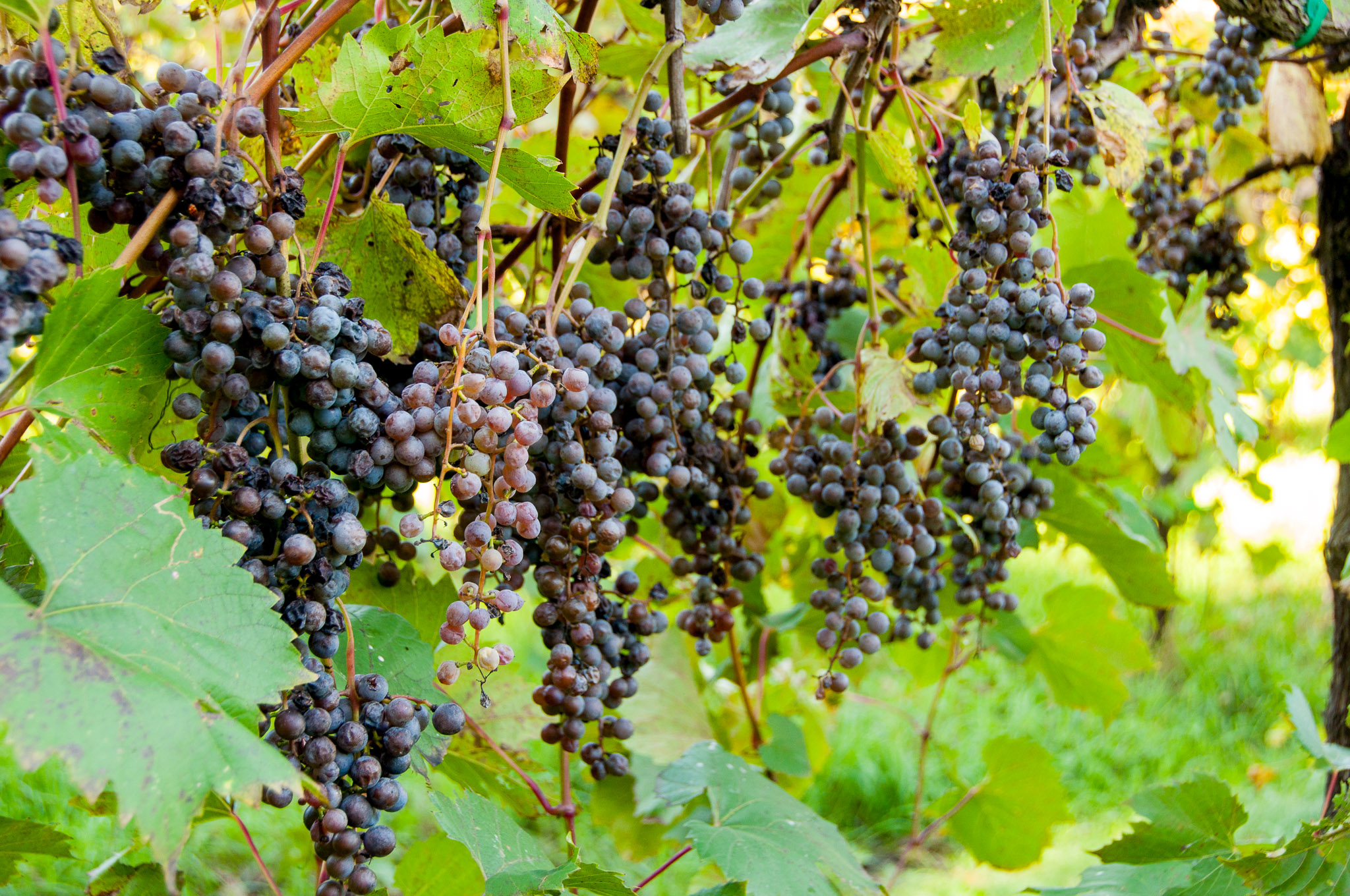
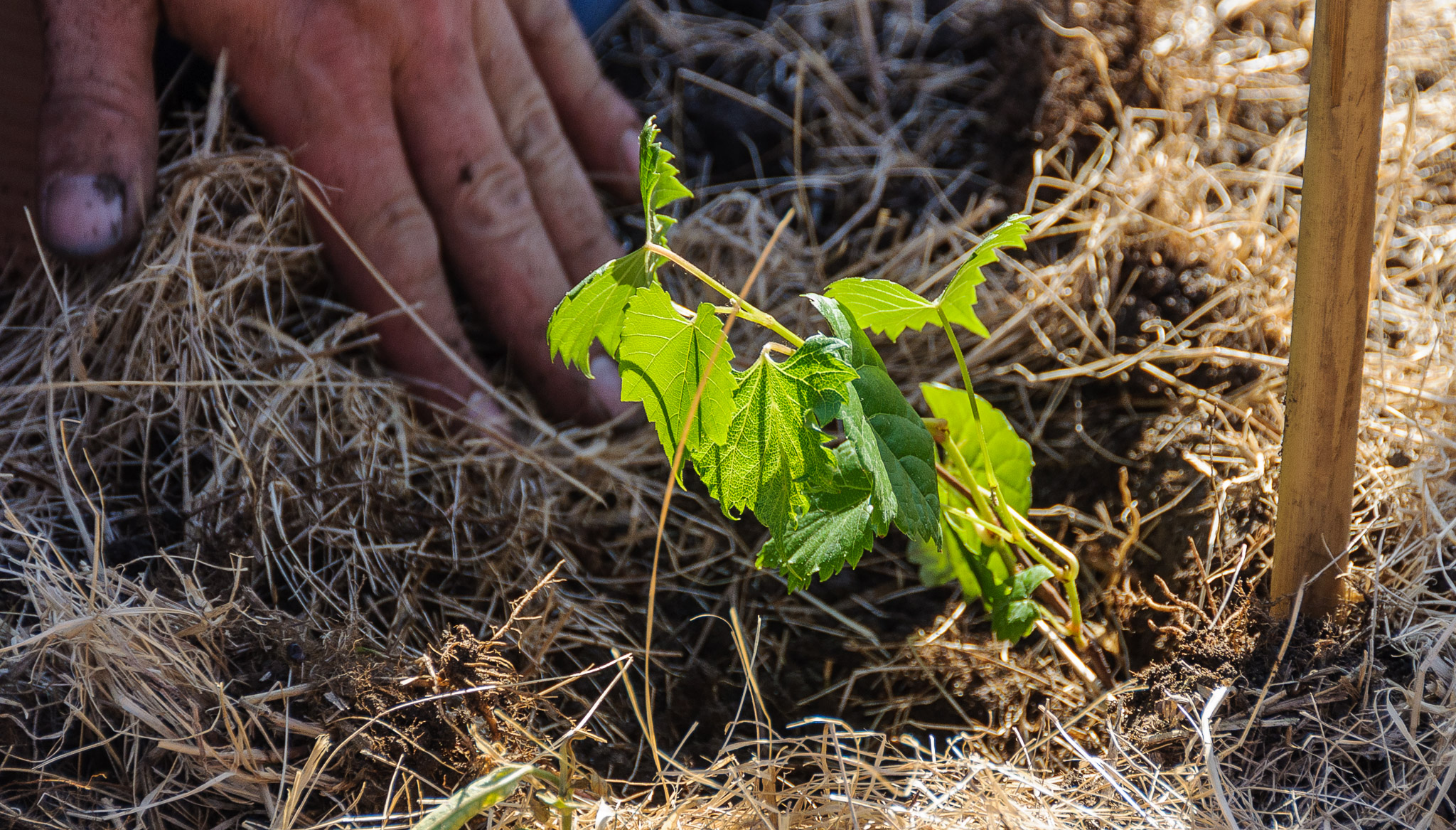
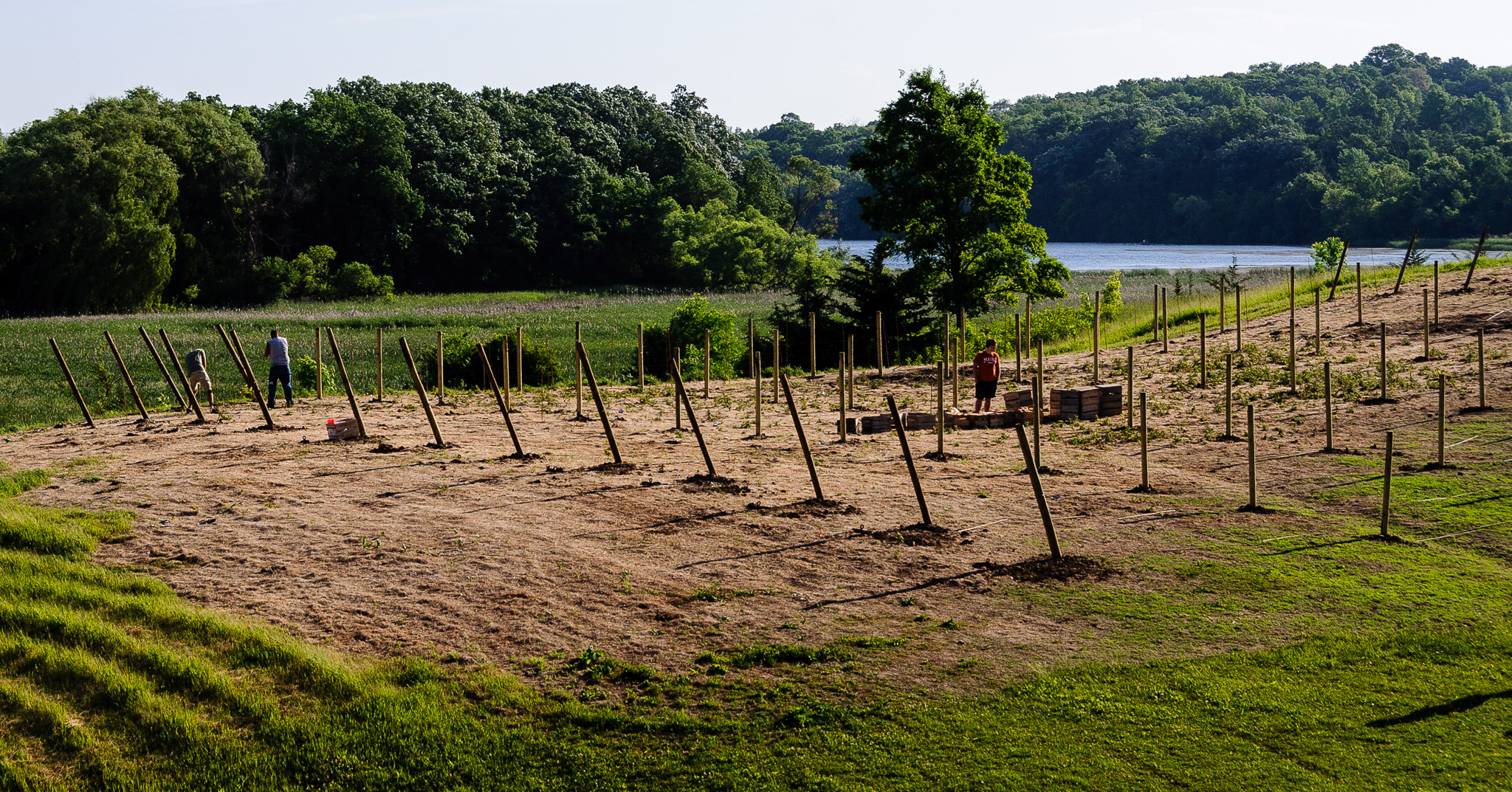
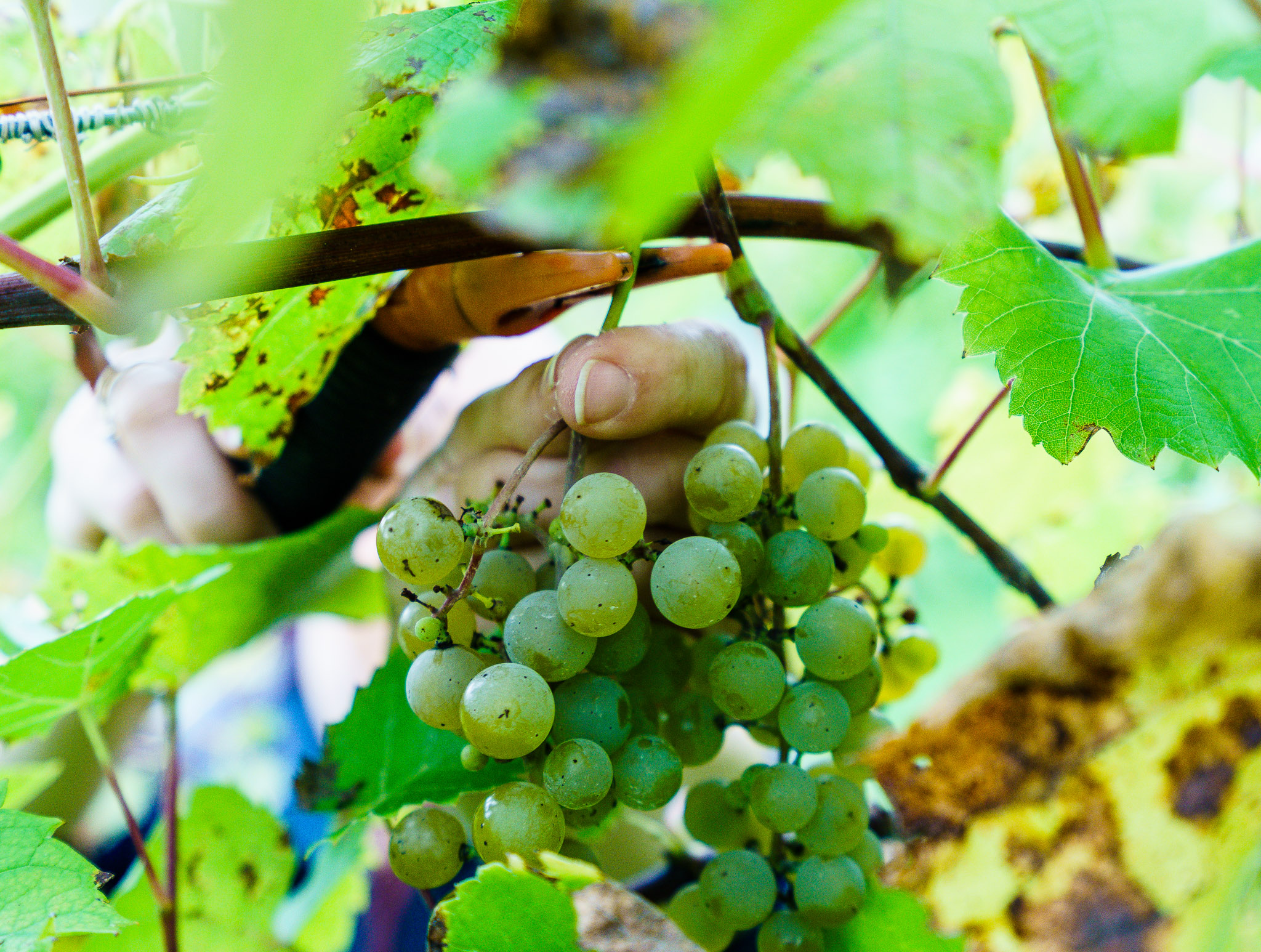
What is a Hybrid Grape?
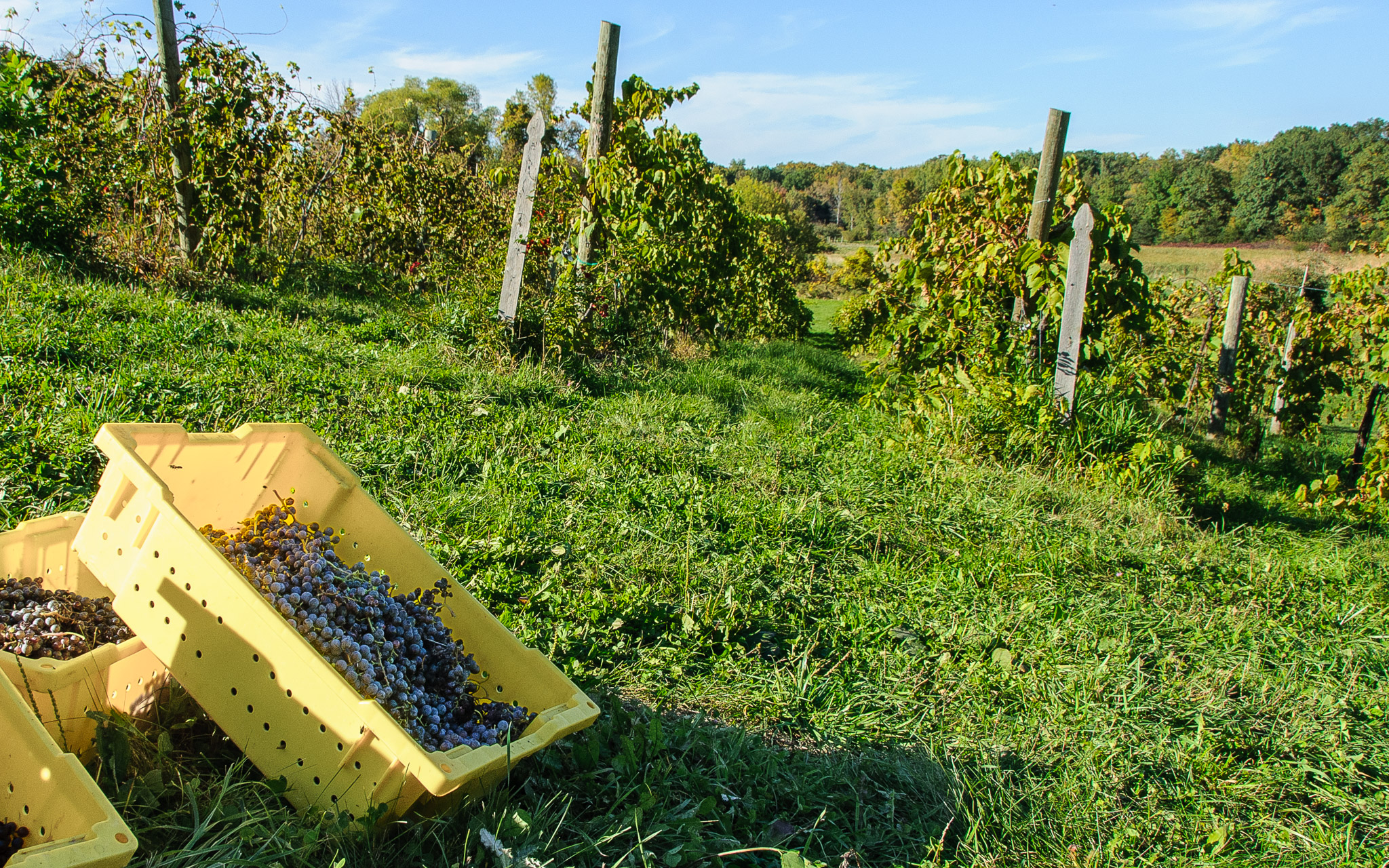
There are a wide variety of other grapevine species around the world. They have advantages, but they typically don’t produce the attractive aromas and flavors of Vitis vinifera. A hybrid grape results from crossing a Vitis vinifera vine with another Vitus species such as Vitis riparia, Vitis rupestris or others. This is done in the traditional method of fertilizing the flowers of a grapevine with the pollen from another. The intent is to breed in the favorable disease, pest or cold resistance from the native vine along with the aromas and flavors of the Vitis vinifera vine. This takes patience, as the vines are crossed multiple times over several generations to gain the characteristics desired by the breeders. Once a promising vine is identified, it may be 15 years before it is sufficiently tested and released for commercial use. That’s patience!
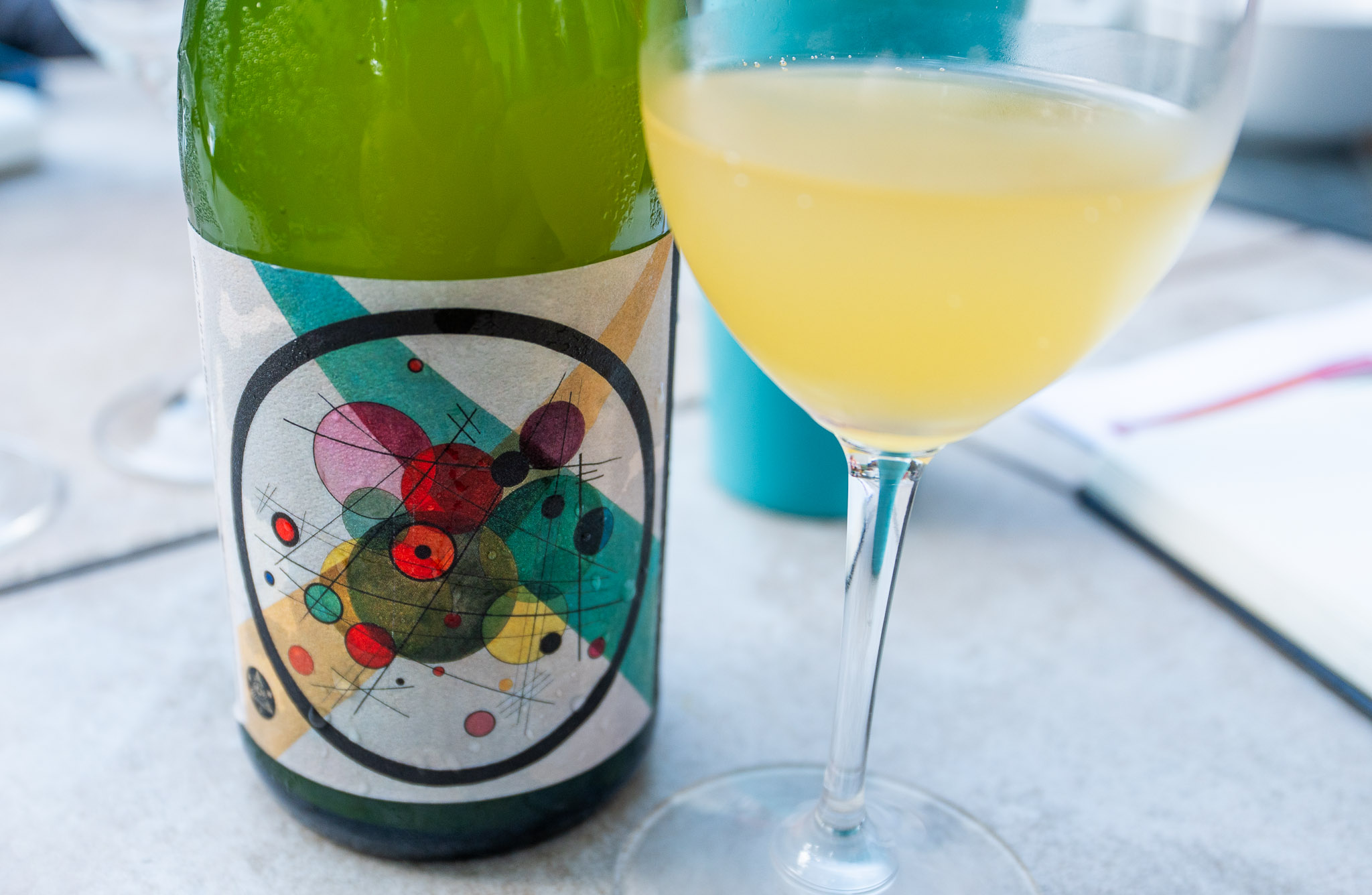
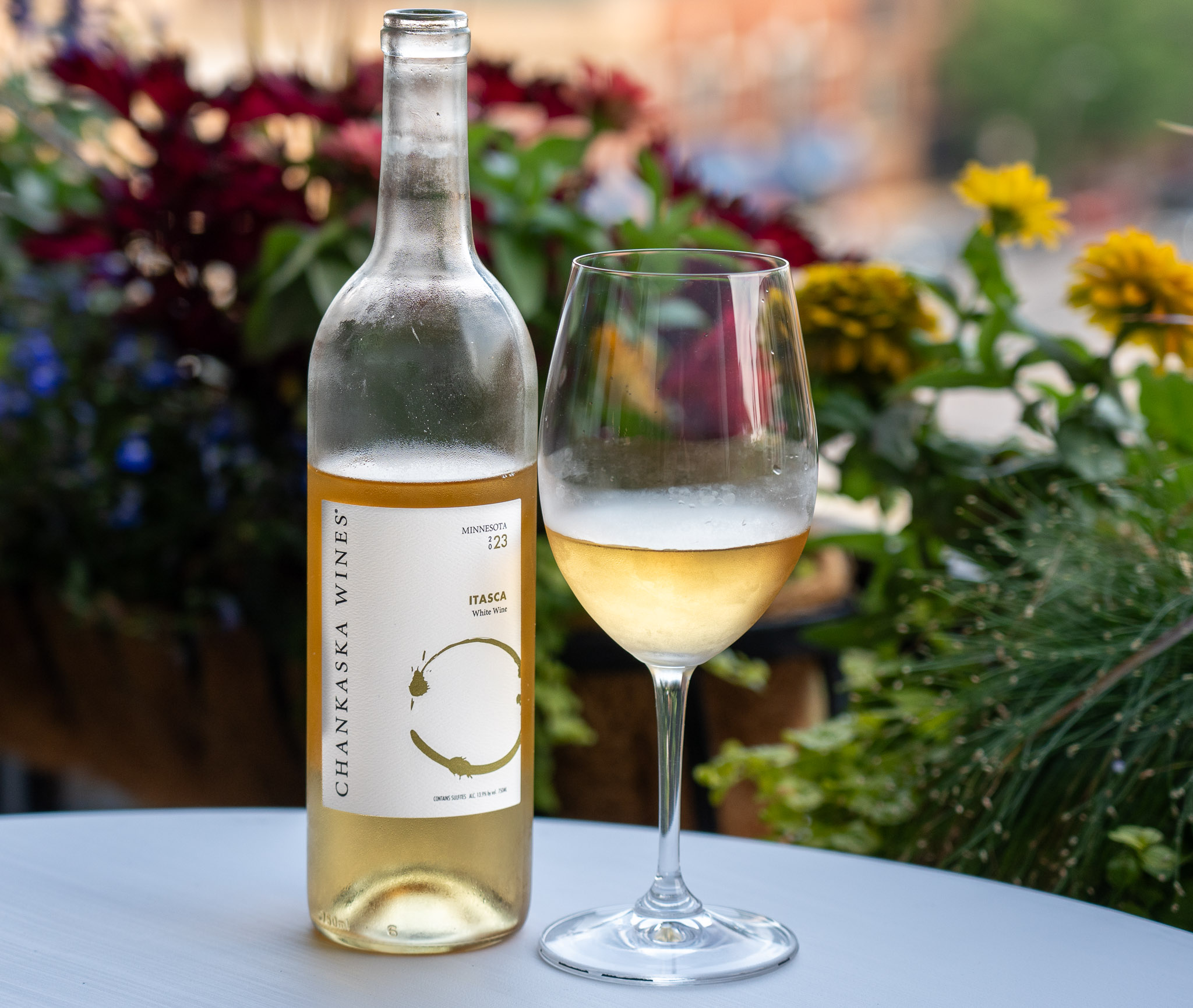
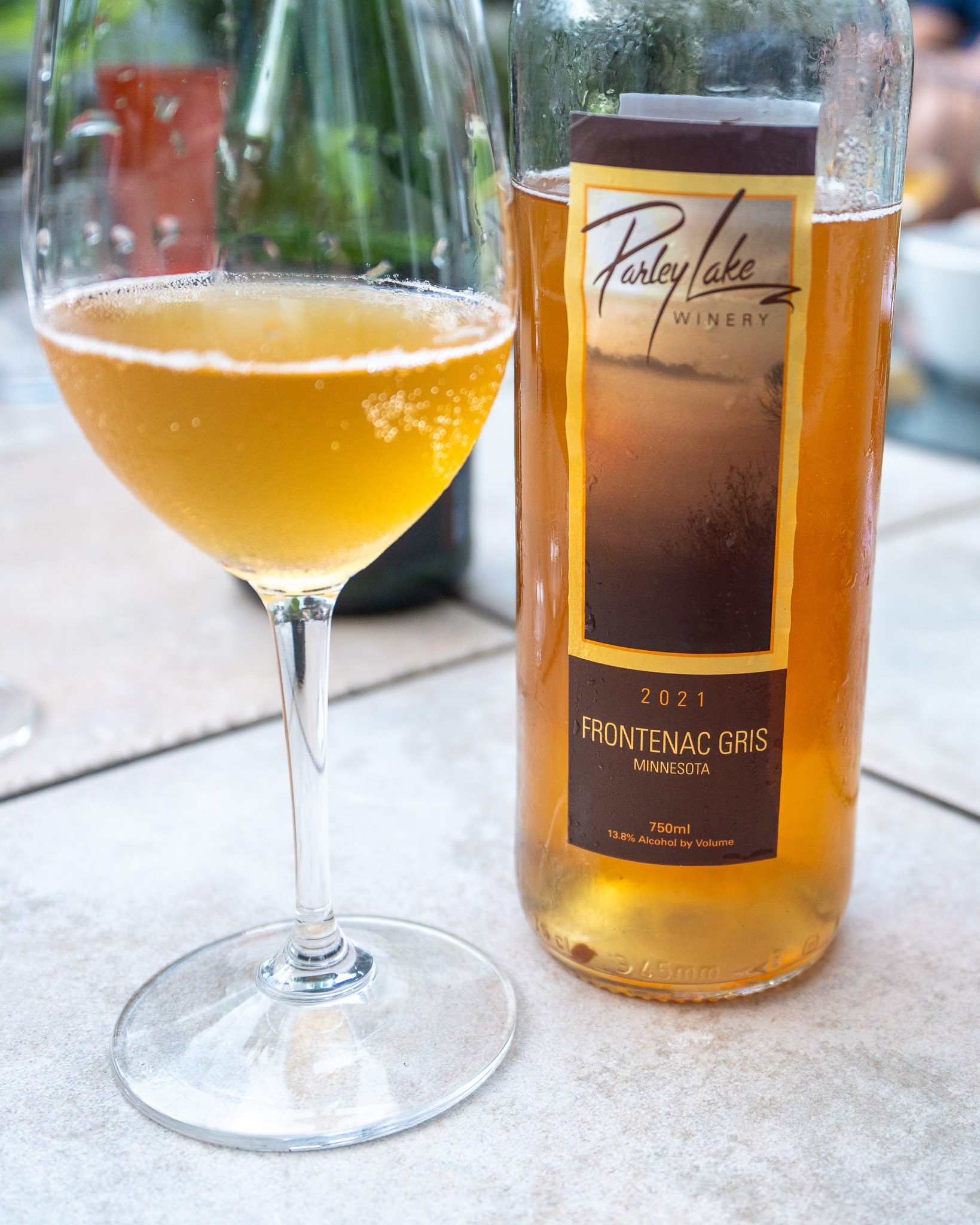
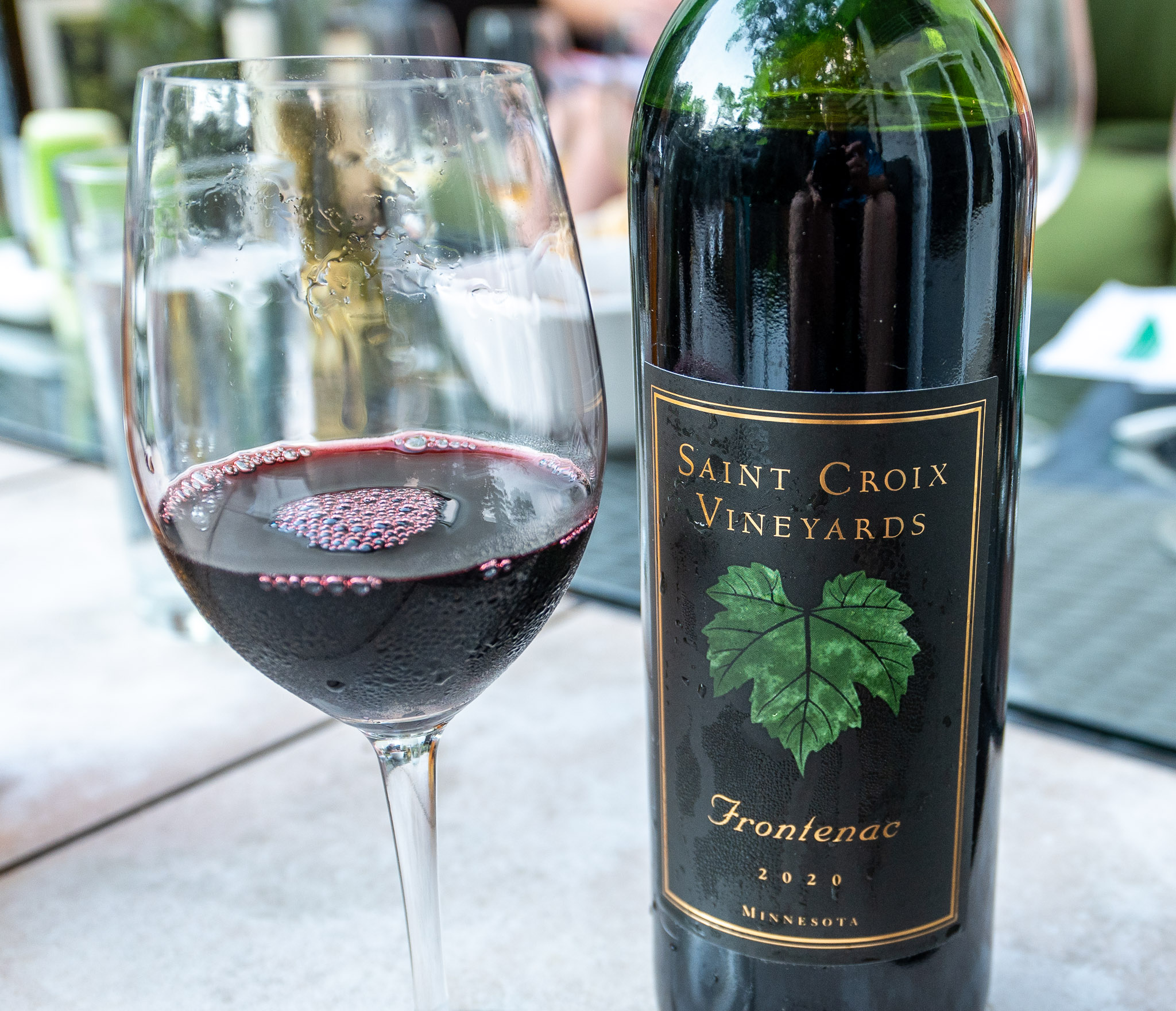
University of Minnesota is a leading research and development institution for cold climate fruits, especially apples and grapes. Much recent progress in grape cultivars has come from the U of M. Their website has a variety of materials, including this page with links to fact sheets on many popular grapes developed there.
- Itasca – white grape, just released in 2017. Itasca has extreme cold hardiness with high quality fruit chemistry and disease resistance. In cold climate-speak, it has low acidity though it would be considered a high acid grape in most Vitis vinifera circles. My favorite hybrid white wine to date has been from the Itasca grape. Itasca wines can show notes of pear, quince, kiwi, starfruit, gooseberry and honeydew (from the U of M website).
- La Crescent – white grape with strong aromatics of apricot, citrus and tropical fruit. One of its parents is from the Muscat family, so we know it will be aromatic. Aromas are intense with apricot, citrus and tropical fruits. La Crescent often appears as a sweet wine.
- Clarion – white grape just released in 2022. Very promising with flavors of pear, melon, and apricot. However, Clarion is only hardy to zone 5, so it is best suited to southern Wisconsin and Iowa. Not reliably hardy in Minnesota.
- Frontenac – red grape, with Frontenac gris and Frontenac blanc color mutations. Frontenac noir was released in 1996 and was one of the first modern hybrid grapes from the U of M. Frontenac is hardy all the way to zone 3, so it can be grown even in northern Minnesota (!). Wines are inky dark with cherry, blackcurrant and darker fruit aromas and flavors.
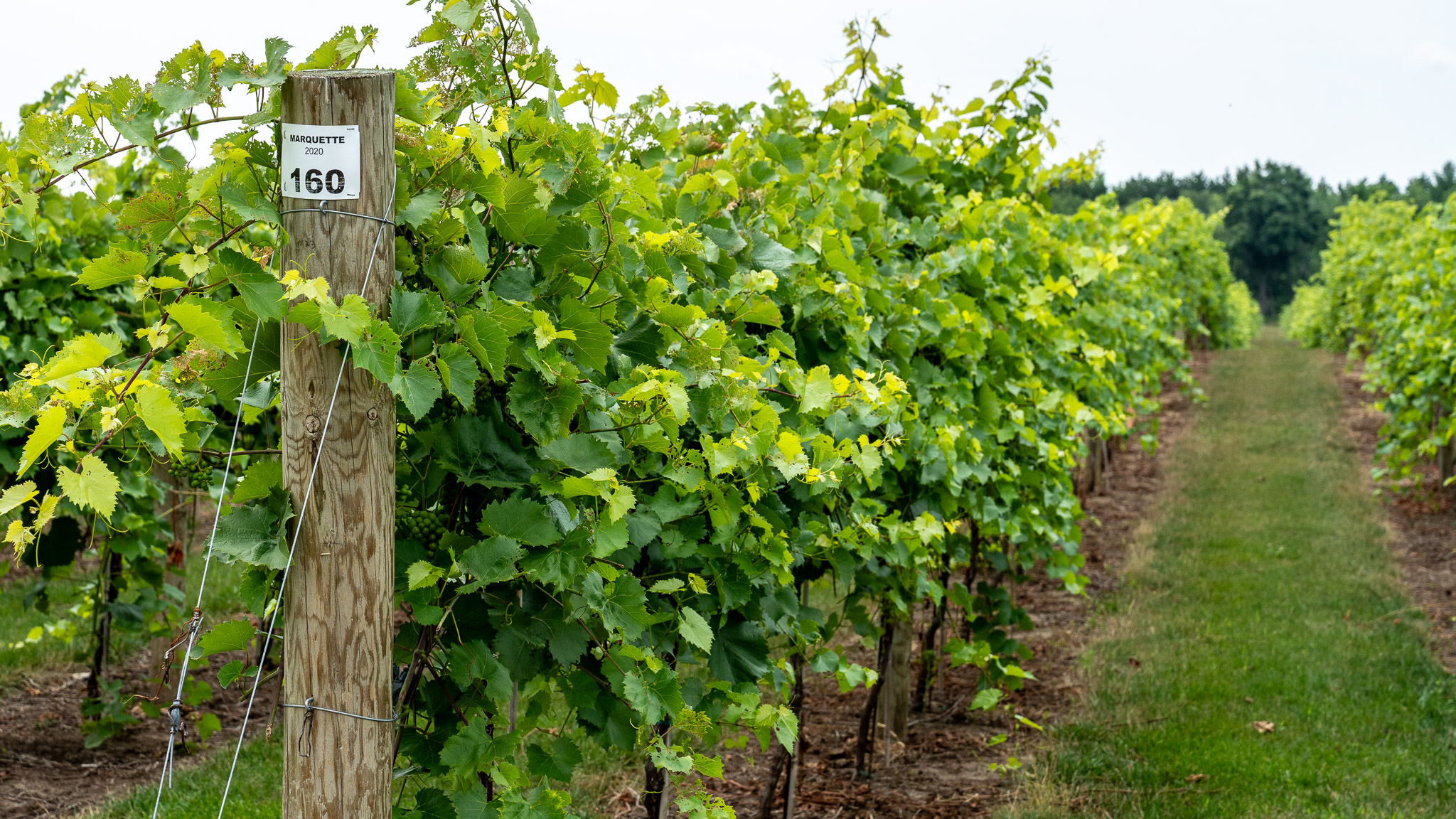
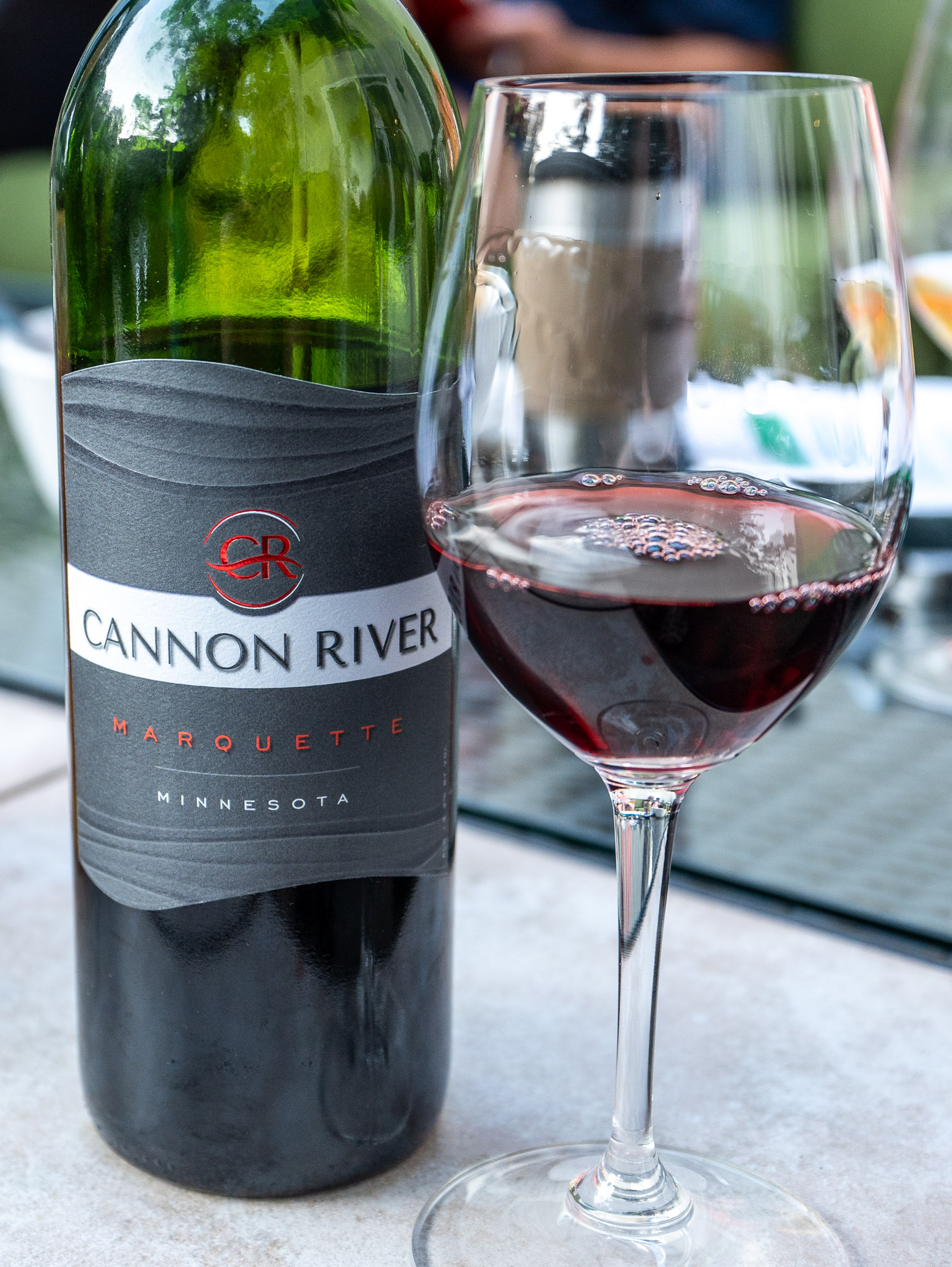
- Marquette – red grape with Pinot Noir as one of its parents. Marquette is regarded as one of the best cold climate wine grapes. Hardy in zone 4 with good resistance to pests and disease, it shows flavors and aromas of cherry, black pepper and spice. It was originally created in 1989, then selected in 1994 for further work. It was named in 2005, and finally released in 2006.
What’s Next?
With this introduction, expect to see posts including hybrid wines and visits to wineries in Minnesota and Wisconsin!







 foodwineclick