Why is Argentine Wine Unique? #WorldWineTravel
World Wine Travel Writers Celebrate Argentina
This month, our World Wine Travel writers are exploring wines of Argentina. Many of our writers received samples thanks to Trapiche and Mascota wineries, though other posts are welcome. Look further down in this post for a list of links to all our finds. You’re invited to join our chat on X/Twitter on Saturday October 28 at 11am Eastern Time. Look for our chat at #WorldWineTravel. You’re welcome to join in whether you posted or if you are just interested in wines of Argentina. We hope to see you there! You may need to double check your local time zone as some regions may have already shifted back to standard time.
Why is Argentina Such a Unique Place for Wine?
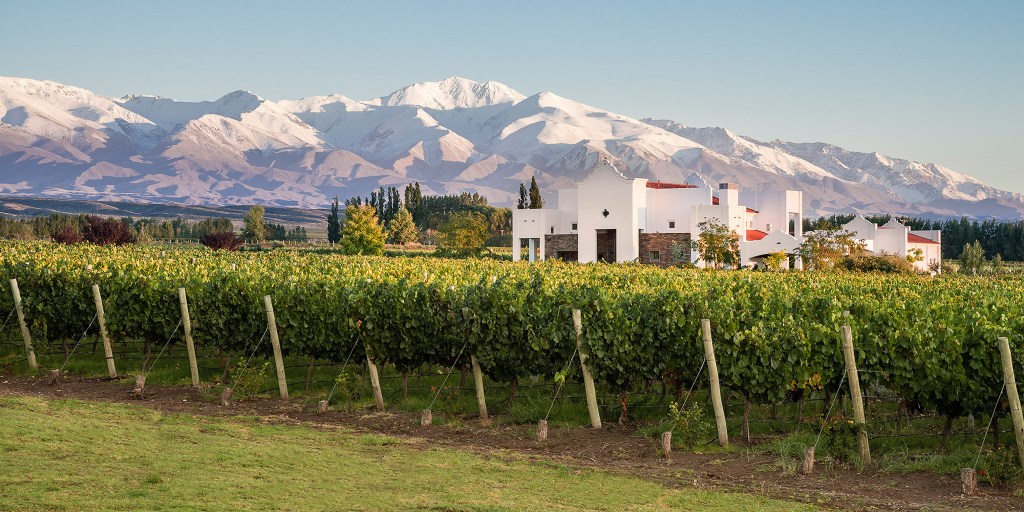
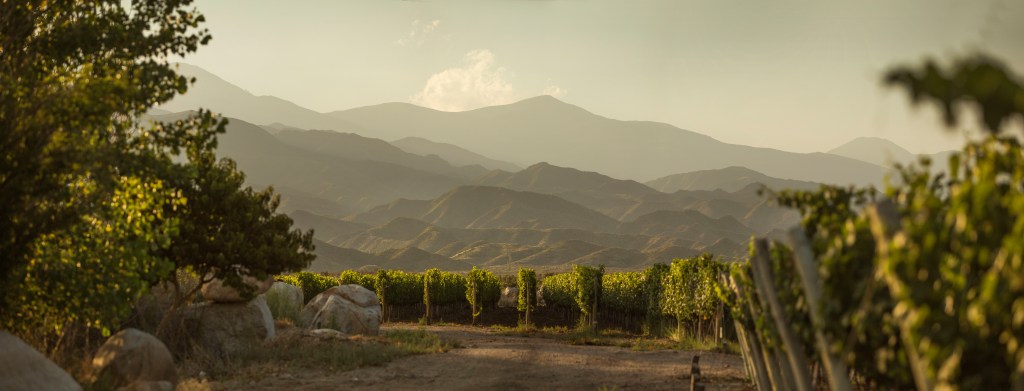
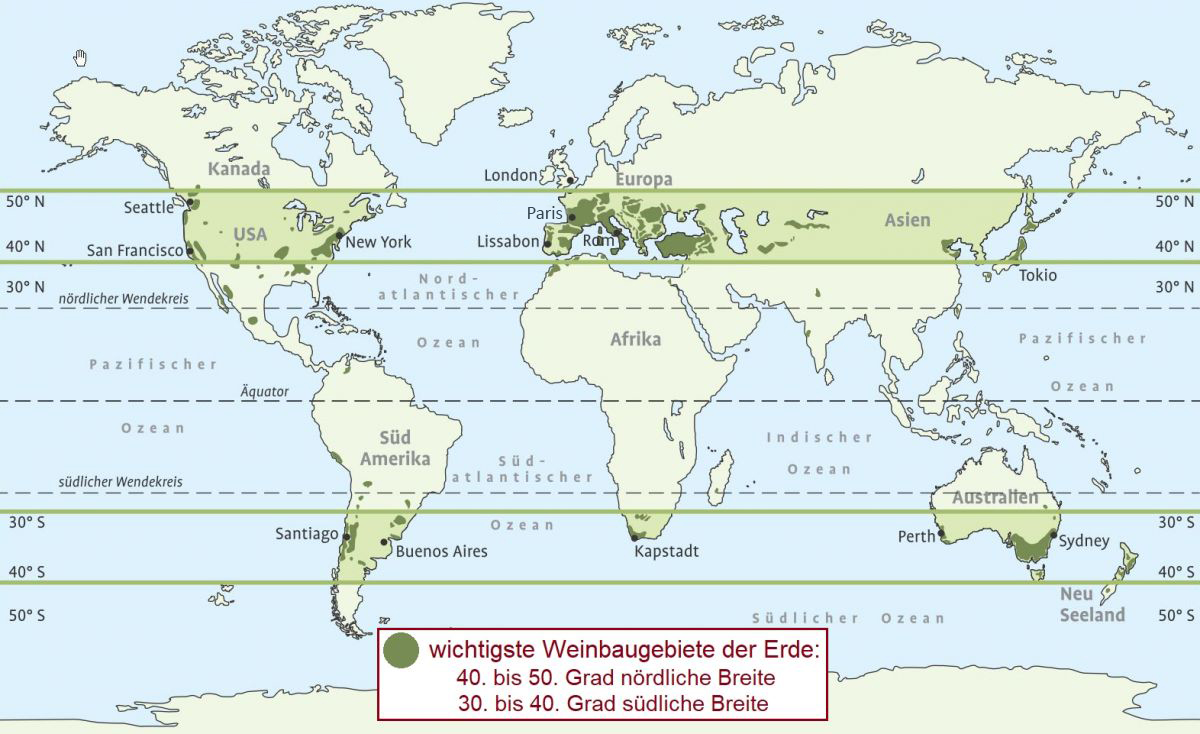
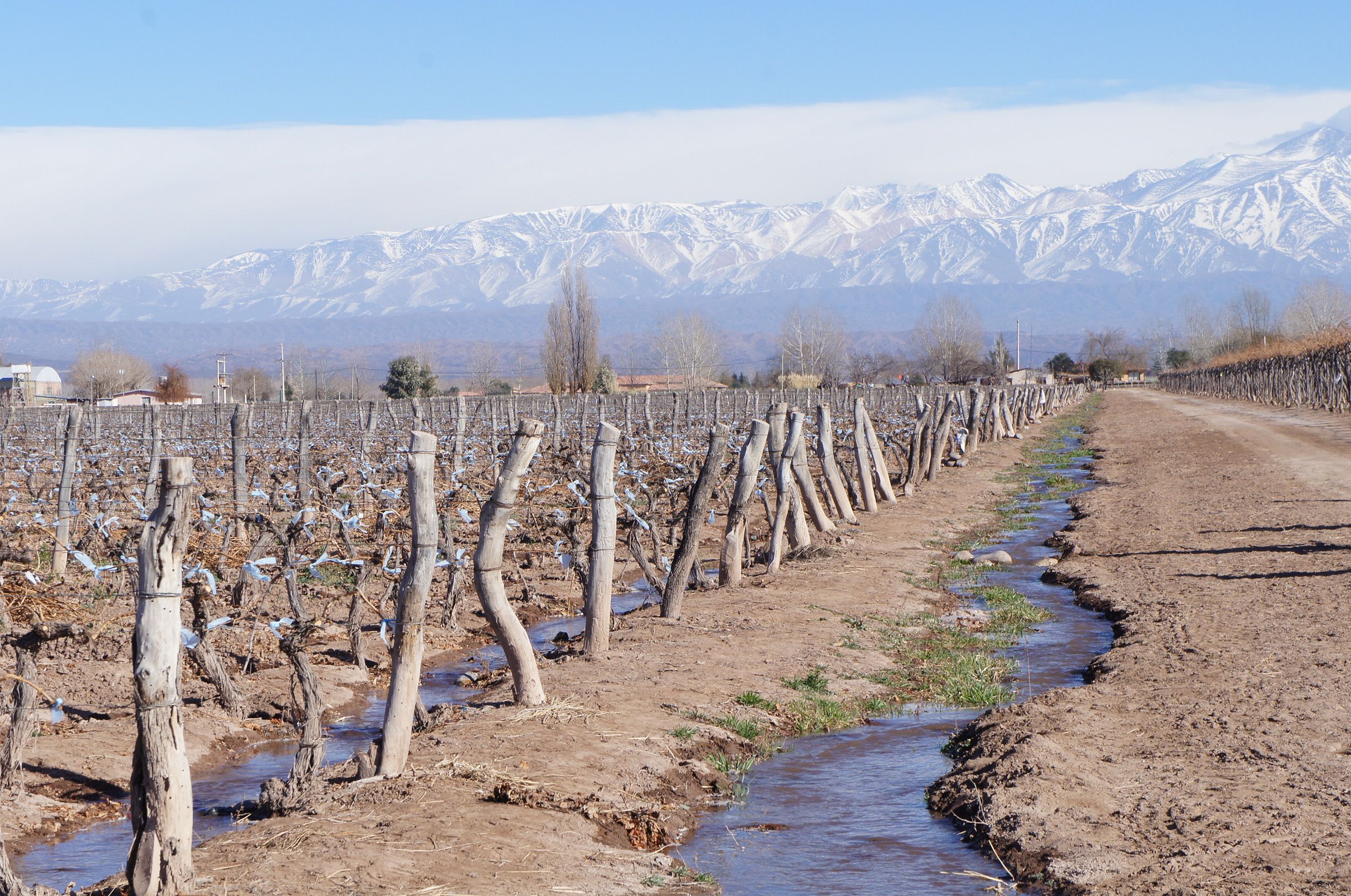
Textbook wine instruction tells us that the worldwide latitude bands suitable for wine grape growing are situated between 30 and 50 degrees, both north and south of the equator. Mendoza is the main wine region, accounting for 75% of the grapes and 66% of the wines of Argentina, and it sits at only 34° latitude. At sea level, it would likely be too warm for grapes, but the vineyards are located in the foothills of the Andes mountains and altitudes range from 2000 feet up to 4500 feet above sea level. Farther north in Salta, vineyards are placed as high as nearly 10,000 feet!
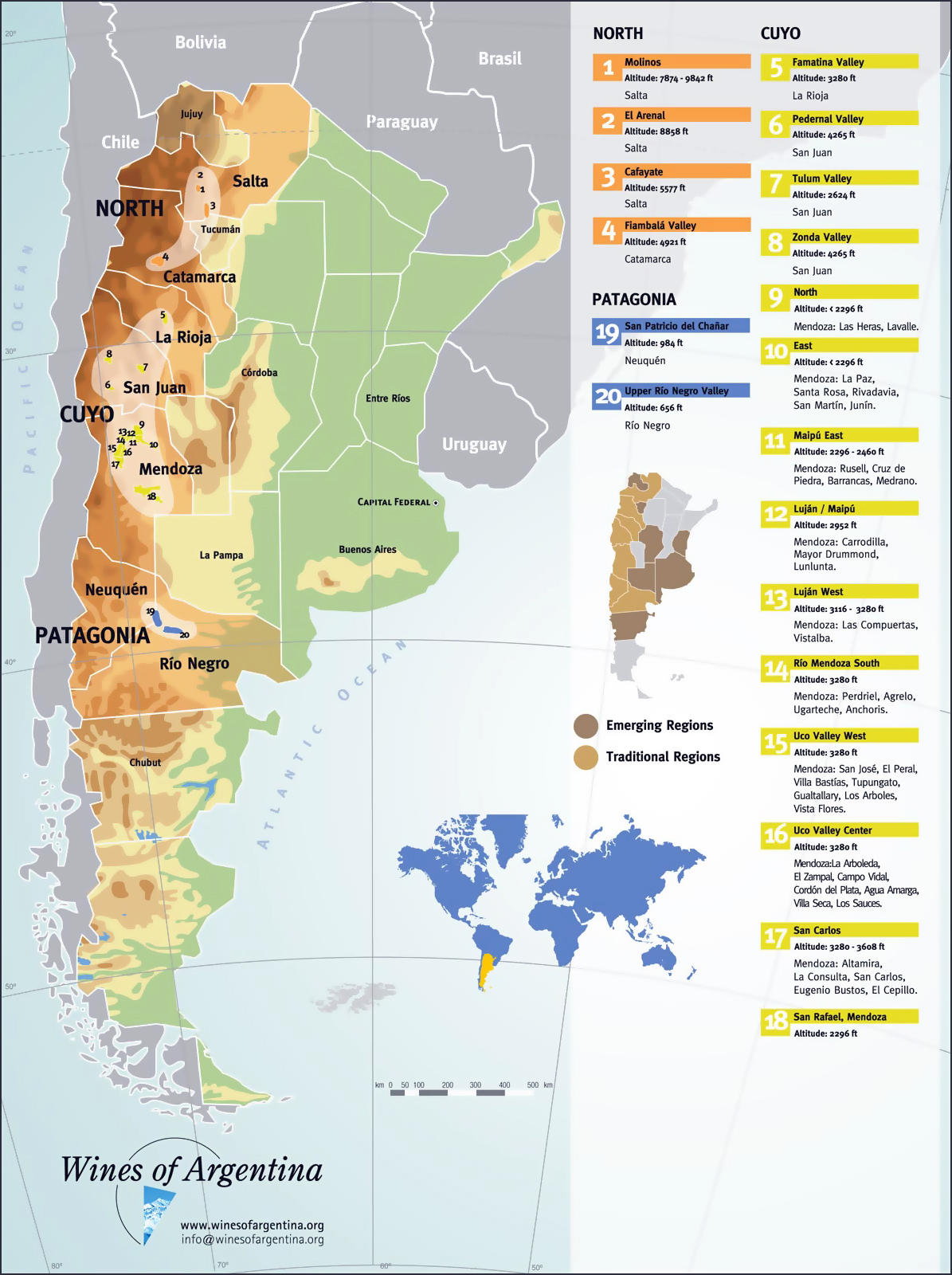
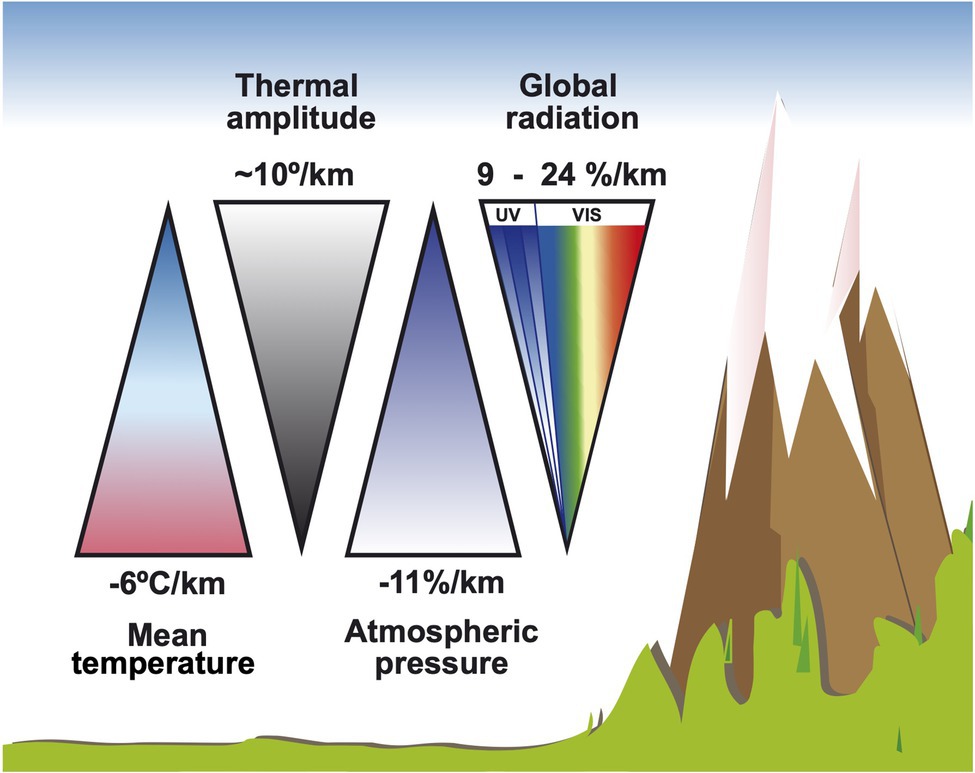
What do these altitudes do for growing grapes? First, the temperature drops as altitude increases. Also, the day-night (diurnal) temperature swing is greater. Big temperature swings allow for good grape maturation during the day with retention of acidity in the cool evenings. High altitude brings more intense sun, so grape skins are thicker. This can bring more intense color, flavor and tannins to the grapes.
The Andes mountains create a large rain shadow in Argentina. The dry conditions are good for reducing vine diseases, however, irrigation is needed. Traditionally, vines were irrigated using flood irrigation from spring snowmelt. However, this requires vineyard placement on level or minimally sloped ground. Over time, Argentine growers found improved irrigation techniques allowing vineyard development on slopes which favor higher grape development.
All together, Argentine grapes have the possibility of perfect ripeness, deep color, vibrant acidity, full flavors and tannins as firm as the winemaker likes. Who could ask for more?
Disclosure: Some of our writers received sample bottles from Trapiche and Mascota wineries. No other compensation was involved. All opinions expressed are those of the writers.
Links to All Articles
Jump to the links listed below to see what our writers have found from Argentine wines. You might find a new wine or recipe to try! Don’t forget to join our chat on Saturday October 28, 11am-12pm Eastern Time on Twitter. You’ll find us at #WorldWineTravel. We’ll be looking for you!
- Camilla at Culinary Cam shares “From Soil and Sea to Sky: Miso-Glazed Squash and Salmon with Trapiche Medalla Chardonnay“
- Wendy at A Day in the Life on the Farm shares “Celebrating Day of the Souls with Carbonada en Zapallo and Trapiche Cabernet Sauvignon“
- Lynn at Savor the Harvest shares “Off The Beaten Wine Path in Argentina“
- Steve at Children of the Grape shares “The Dance of the Vine“
- Martin at ENOFYLZ Wine Blog shares “Savoring Argentine Red Wines From Trapiche and Unànime with Roasted Mushroom Risotto“
- Deanna at Wineivore shares “Unanime and Trapiche Wines with Argentinian Inspired Tapas“
- Gwendolyn at Wine Predator shares “Not Just Malbec: Argentina’s Trapiche Cab Blend and Syrah Paired with Burgers 2 Ways“
- Linda at My Full Wine Glass shares “Pairing South American food and wine long distance“
- Susannah at Avvinare shares “Trapiche Fall Flavors For Halloween Celebrations“







 foodwineclick